

Send us a message and one of our specialists pest managers will be in touch

    Experts Demanding a Bee Pesticide Ban in Australia

    December 13, 2013
    Experts are calling for Australia to ban a range of pesticides that are harmful to bees, according to Nigel Andrew from TheConversation.com. The pesticides, known as neonicotinoids, affect bees’ central nervous system. Lab tests showed the pesticides reduced the bee’s ability to learn. The pesticides have been banned across the European Union following a dramatic […]
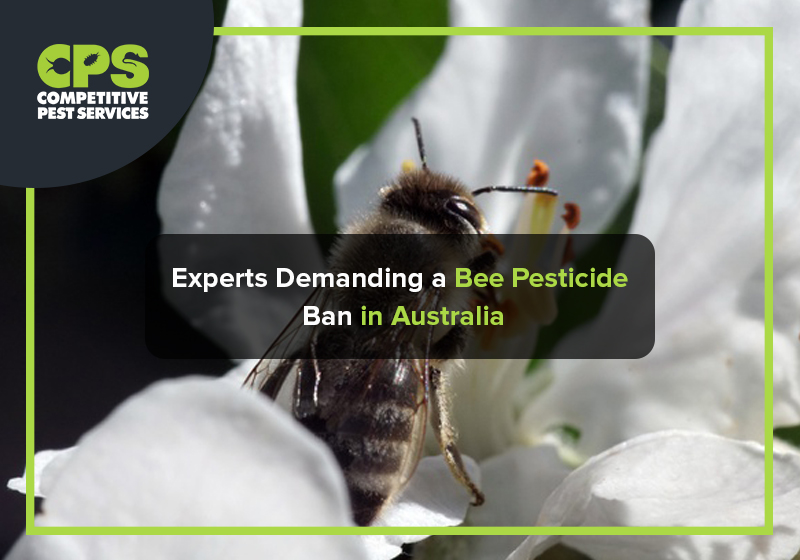
    Experts Demanding a Bee Pesticide Ban in Australia

    Experts are calling for Australia to ban a range of pesticides that are harmful to bees, according to Nigel Andrew from TheConversation.com.

    The pesticides, known as neonicotinoids, affect bees’ central nervous system. Lab tests showed the pesticides reduced the bee’s ability to learn.

    The pesticides have been banned across the European Union following a dramatic fall in bee populations across the region.

    Some scientists say that the lab results are not replicated in the field and that the pesticides are a powerful and inexpensive way to protect crops. In addition, the are easy to apply.

    It is important to remember that bees pollinate crops worth around four to six billion dollars in Australia alone. These include canola, sunflowers, lucerne and many fruit trees. Any risk to the bees is therefore a risk to these essential industries and food security.

    Although the pesticides don’t kill bees, they reduce their reproductive and pollination abilities and critics argue this is too big a risk to take.

    PREVIOUS ARTICLE
    BACK TO ALL ARTICLES
    NEXT ARTICLE

    Contact us for a tailored pest control solution for your home or business

      Get an instant quote
      Or instant answers to your questions
      ASK OUR PEST ASSISTANT
      Acknowledgement logo

      Acknowledgement of Country

      We acknowledge the Traditional Custodians of Country throughout Australia and their connections to land, sea, and community.
      We pay our respect to their Elders past and present and extend that respect to all Aboriginal and Torres Strait Islander peoples today.