
Fleas Pest Control and Treatment

Fleas Pest Control
Fleas are tiny, blood-sucking parasites that infest animals and humans, making them one of the most frustrating household pests in Australia. With over 70 species found across the country, the most common are the cat flea and dog flea. These pests thrive in homes and yards where pets are present, as they rely on warm-blooded hosts to feed and reproduce.
While fleas are usually associated with pets, much of their life cycle occurs off the animal. Eggs, larvae, and pupae are often found in bedding, carpets, soil, or cracks in flooring. Fleas can remain dormant in their cocoons for months, waiting for vibrations, heat, or carbon dioxide from a nearby host before emerging. This makes infestations persistent and difficult to eliminate without a complete approach.
Not only are flea bites irritating and itchy, but large infestations can cause allergic reactions, transmit parasites such as tapeworms, and in rare cases, spread disease.
What Do Fleas Look Like?
Adult fleas are very small, averaging about 2–3 mm in length, but they can be seen with the naked eye. They are flat, wingless, and reddish-brown to dark brown in colour. One of their most distinctive features is their powerful hind legs, which allow them to jump up to 150 times their own body length — the equivalent of a human leaping across a football field.
Fleas pass through four life stages: egg, larva, pupa, and adult. The adults are the visible stage most people notice, while eggs and larvae remain hidden in carpets, bedding, or soil. Because of this, only a small portion of the total flea population is ever seen on a pet. For every flea you spot, there are usually hundreds more developing in the environment.
Where Do Fleas Live?
Fleas are highly adaptable and thrive in both indoor and outdoor environments. They prefer warm, humid conditions, which makes Australian homes with pets ideal breeding grounds year-round.
Indoors, fleas are commonly found in:
- Pet bedding and furniture
- Carpets and rugs
- Cracks in floorboards
- Upholstery and fabric
Outdoors, fleas survive in shaded, sandy, or grassy areas where pets rest, including under porches, decks, and garden beds. Contrary to common belief, “grass fleas” or “sand fleas” are not different species but simply fleas that have been shed into the environment by pets.
Without a host, fleas can only survive a short time — usually a few days to two weeks — but once on an animal, they feed, reproduce, and can live for several weeks or months. Female fleas begin laying eggs within two days of their first blood meal, producing up to 27 eggs a day, allowing for infestations to grow rapidly if left untreated.
Common Types of Fleas in Australia
Australia is home to more than 70 flea species, but only a handful regularly affect homes and pets. These pests thrive in warm climates, reproduce rapidly, and can cause significant discomfort to both animals and humans.
Cat Flea (Ctenocephalides felis)
How they look
Despite the name, cat fleas are not limited to cats. They are small, dark brown, and about 2–3 mm long, with long hind legs built for jumping.
Where they live
Cat fleas are the most widespread flea species in Australia and can infest cats, dogs, and humans. They are most commonly found in pet bedding, carpets, and shaded outdoor areas.
Why they are a problem
They cause intense itching and allergic reactions in pets and people. Cat fleas also transmit parasites like tapeworms and can cause flea allergy dermatitis, a common skin condition in dogs and cats.
Dog Flea (Ctenocephalidies canis)
How they look
Very similar in size and appearance to cat fleas, dog fleas are slightly less common but can still infest a wide range of hosts.
Where they live
Primarily found on dogs, but also capable of feeding on cats, humans, and other mammals. They hide in carpets, bedding, and soil when not feeding.
Why they are a problem
Like cat fleas, dog fleas cause severe itching, scratching, and skin irritation. Heavy infestations can lead to fur loss, secondary infections, and anaemia in puppies or kittens.
Human Flea (Pulex irritans)
How they look
Slightly larger than cat and dog fleas, the human flea is 2–4 mm long, reddish-brown, and wingless with strong jumping legs.
Where they live
Although less common in modern homes, human fleas can infest houses, feeding on people as well as pigs, dogs, and cats. They are often found in bedding, upholstery, and cracks in flooring.
Why they are a problem
They cause painful, itchy bites and, historically, were linked to the spread of serious diseases. While not as widespread today, they remain a potential nuisance in unhygienic or neglected environments.
Stickfast Flea (Echidnophaga gallinacea)
How they look
Much smaller than other flea species, stickfast fleas are around 1–2 mm long. They are less mobile and attach firmly to their host’s skin.
Where they live
Most commonly found on poultry, but they can also infest dogs, cats, and humans if given the opportunity. They are more common in rural areas and farms.
Why they are a problem
Stickfast fleas attach in clusters around the ears and eyes of animals, feeding continuously and causing irritation, wounds, and potential infections.
How to Identify Flea Infestations
Pet Scratching and Irritation
One of the first signs of a flea infestation is excessive scratching, licking, or biting by pets. Dogs and cats allergic to proteins in flea saliva often react intensely, sometimes to just a single bite. Pets may become restless, agitated, and scratch persistently.
Bites and Skin Reactions
Flea bites cause small, red pimples or raised bumps, often found on a pet’s groin, belly, legs, or at the base of the tail. Over time, repeated biting and scratching can lead to hair loss, dry patches, and scabs. In severe cases, untreated bites can progress to open lesions or skin infections.
Flea Eggs and Larvae
While adult fleas are visible to the naked eye, their eggs and larvae are more difficult to spot. Eggs are oval, off-white, and about the size of a grain of salt, usually hidden in pet bedding, carpets, or upholstery. Larvae hatch from these eggs and appear as tiny, off-white worms that avoid light and burrow into dark crevices.
Flea Dirt (Faeces)
Another telltale sign is the presence of flea dirt — small black specks that look like ground pepper. These are flea droppings, which contain digested blood. When placed on a damp paper towel, flea dirt turns reddish-brown, confirming an active infestation.
Environmental Clues
Indoors, fleas are commonly found in carpets, rugs, pet bedding, and cracks in flooring. Outdoors, they survive in shaded, moist areas such as under porches, decks, or garden beds where pets rest. Because much of their lifecycle occurs off the host, infestations often spread quickly through the environment.
Human Bites
In the absence of pets, fleas will feed on humans. Bites usually appear as small, itchy red marks, often clustered around the ankles and lower legs. Reactions vary, but some people may experience more severe itching, swelling, or secondary infections from scratching.
Signs of Heavy Infestation
In severe infestations, fleas may be visible jumping on floors, furniture, or even people. Pets will display constant scratching, fur loss, and irritated skin. Bedding and carpets may contain large numbers of eggs, larvae, or flea dirt, and untreated cases can lead to skin infections or more serious diseases.
At this stage, professional pest control is often essential. Treatments need to target not only adult fleas on pets but also eggs, larvae, and pupae hidden throughout the home and yard.
How to Prevent Flea Infestations
Fleas are one of the most persistent pests in Australia, thriving in warm, humid conditions and spreading rapidly through homes and yards. Because most of their life cycle occurs off the host — in carpets, bedding, and soil — prevention is always easier than treating a full-blown infestation. By protecting your pets, maintaining good hygiene, and removing the conditions that fleas thrive in, you can significantly reduce the risk of an outbreak.
Preventing Fleas on Your Pet
Your pets are the primary targets for fleas, so regular care is essential. Use veterinarian-recommended flea treatments year-round to break the flea life cycle. Bathe and brush pets regularly to check for fleas, eggs, or flea dirt. Limiting the time pets spend outdoors, and reducing contact with stray or wild animals, can further minimise exposure. Routine inspections of your pet’s coat, especially around the neck and tail, help catch fleas early before they spread.
Keep Your Home Clean
Vacuum carpets, rugs, and upholstery regularly to remove flea eggs, larvae, and pupae. Dispose of vacuum bags or empty canisters immediately to prevent reinfestation. Wash pet bedding, blankets, and soft toys in hot water weekly, or replace heavily infested items. Fleas hide in dark corners, so pay close attention to skirting boards, cracks, and under furniture.
Manage Outdoor Areas
Fleas thrive in shaded, moist outdoor spots where pets rest. Keep lawns trimmed and gardens tidy to reduce flea breeding areas. Limit access to crawl spaces, under decks, or sheds where fleas can hide and wait for passing hosts. If your yard is heavily infested, professional outdoor flea treatments may be required.
Control Wildlife Access
Wild animals such as possums, stray cats, or rodents can carry fleas into your yard. Reduce access by sealing entry points, securing rubbish bins, and avoiding leaving pet food outdoors. By limiting wildlife contact, you reduce the chances of fleas being introduced to your property.
Act Quickly if You Spot Them
Early detection is key. At the first sign of fleas, whether it’s your pet scratching, flea dirt in bedding, or bites on your legs, act immediately to break the infestation cycle. Treat both your pets and your home at the same time to ensure fleas don’t return.
How to Get Rid of Flea Infestations
Fleas are one of the most difficult pests to control because of their rapid breeding cycle and ability to survive in carpets, bedding, and outdoor areas. A single flea can lay hundreds of eggs within days, and these eggs quickly spread through your home. Even if adult fleas are killed, their eggs and larvae can remain hidden in carpets or furniture, re-emerging weeks later. This makes a combination of pet treatment, home cleaning, and professional pest control the most effective way to break the cycle.
At-Home Actions to Get Rid of Fleas
Treat Your Pets
The first step in controlling fleas is treating the source — your pets. Bathe them thoroughly with soap and water, then use a flea comb to remove fleas from their fur, paying special attention to the neck, face, and base of the tail. Keep a bowl of soapy water nearby to dunk and kill the fleas as you comb them out.
Veterinarians can provide effective flea treatments, including powders, sprays, shampoos, and topical liquids. In severe cases, your vet may prescribe medicated creams or antibiotics for skin irritation or infections caused by excessive scratching.
Clean Bedding and Fabrics
Wash your pet’s bedding every couple of days in hot water and dry it on the highest heat setting. Do the same with any blankets, cushions, or rugs your pet regularly uses. This kills flea eggs and larvae that are otherwise difficult to see.
Vacuum Regularly
Fleas hide deep in carpets, rugs, and upholstered furniture. Daily or frequent vacuuming removes eggs, larvae, and adults while also stimulating dormant pupae to emerge, making them easier to kill with follow-up treatments. Pay extra attention to baseboards, cracks, and crevices where fleas may accumulate. Dispose of vacuum bags or empty canisters immediately after use.
Maintain Your Yard
Fleas often enter the home from outdoor spaces. Mow the lawn regularly, rake leaves and debris, and expose shady, moist areas to sunlight. Fleas prefer long grass and damp spots, so keeping outdoor areas tidy reduces their hiding places. This also helps prevent your pets from picking up new fleas outside and carrying them indoors.
Professional Flea Treatments
While at-home methods can reduce flea populations, large infestations are notoriously difficult to eliminate without professional help. Licensed pest controllers use targeted treatments to address fleas at every stage of their life cycle, ensuring a more thorough and long-lasting solution.
Targeted Sprays and Residual Treatments
Pest specialists apply insecticidal sprays or powders to carpets, furniture, and cracks where fleas hide. These treatments kill active fleas on contact and leave a residual barrier that continues working against newly hatched adults.
Yard and Outdoor Treatments
In properties with heavy infestations, technicians may apply outdoor treatments to lawns, garden beds, and shady areas where fleas thrive. This prevents re-infestation from the outside environment.
Integrated Treatment Programs
Professionals coordinate pet treatments, household cleaning, and targeted applications to break the flea life cycle at every stage. This integrated approach is far more effective than tackling fleas in just one area.
Why Prevention Is So Important
Flea infestations can escalate quickly. Just 10 adult females can produce nearly 10,000 eggs in a single month. These eggs fall from your pet into carpets, furniture, and soil, where they remain dormant until conditions are right to hatch. Without consistent prevention, fleas can reinfest your home even after treatment.
Taking action early with proper pet care, home cleaning, and professional treatments ensures fleas are eliminated before they become an ongoing, costly problem.
Call a Pest Control Professional
Flea infestations are not only uncomfortable for pets and people but can also lead to severe allergic reactions, skin infections, and ongoing reinfestations if not properly managed. Because of their rapid breeding and ability to survive in hidden areas, fleas can quickly become overwhelming without expert intervention.
A licensed pest control company can confirm the extent of the infestation, apply safe and effective treatments for both your home and yard, and provide long-term prevention advice. Eco-friendly and pet-safe options are also available if you want to minimise chemical use.
Need help now? Book a professional flea inspection on 1300 766 614. Our experts will inspect your property, recommend tailored treatments, and ensure fleas are eliminated and prevented from returning.
Frequently Asked Questions (FAQ)
Can humans get fleas?
Yes. While fleas prefer animal hosts such as dogs and cats, they will bite humans if no other host is available. However, fleas do not typically live on humans long-term because we don’t have enough body hair to provide them shelter.
Do fleas bite humans?
Absolutely. Flea bites usually appear as small, red, itchy bumps, often grouped in clusters or lines on the ankles, legs, or waist. For sensitive individuals, flea bites can cause allergic reactions, leading to swelling, intense itching, or secondary infections from scratching.
Can fleas fly?
No. Fleas do not have wings, so they cannot fly. Instead, they rely on their powerful hind legs to jump great distances — up to 150 times their body length — allowing them to move quickly from the environment onto a passing host.
Where do fleas come from?
Fleas thrive in warm, humid environments and are usually brought into homes by pets. Outdoors, they live in grass, soil, and shaded areas where animals rest. Inside, they hide in carpets, bedding, and upholstered furniture. Fleas can also enter homes via stray animals, wildlife, or infested second-hand items like rugs and pet bedding.
How long do fleas live?
An adult flea typically lives several weeks to a few months, depending on the environment. However, flea pupae can remain dormant in their cocoons for months, waiting for vibrations or warmth that signal a host nearby. This allows infestations to persist even after visible fleas seem to disappear.
What do fleas look like to the human eye?
Fleas are small but visible without magnification. Adults are around 2–4 mm long, dark brown to reddish in colour, and have flat, oval-shaped bodies. Their long hind legs are noticeable, and they move quickly by jumping rather than crawling.
Can fleas live in human hair?
It is extremely rare. Fleas may bite the scalp if they come into contact with it, but they cannot survive in human hair the way head lice do. They may occasionally get caught in hair after jumping, but they do not reproduce or stay there for long.


Pest control for the home and business
We offer expert pest eradication and prevention services for every environment – from homes and commercial kitchens to healthcare and offices. Explore the solutions we provide to keep your spaces safe, clean, and protected long-term.

Common pests we deal with
We deliver tailored, long-lasting pest control with a focus on safety, service and results.
From ants and cockroaches to bed bugs and pantry pests, we treat the full range of infestations found in Australian homes and businesses. Our trained technicians know how to identify the issue quickly and apply the right solution to remove pests – and keep them from coming back.

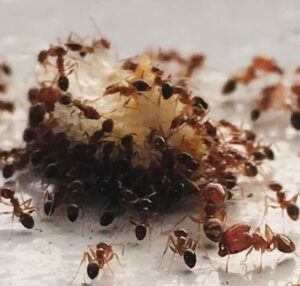 Ants are attracted to food sources and can contaminate food areas, often requiring professional help to locate and remove nests.

Bed bugs infestations are notoriously difficult to beat and hide in bedding and furniture, leaving bites and stains as signs of infestation.

Cockroaches thrive in warm, moist environments, breed quickly, and can leave behind odours and stains—early treatment is key.

Fleas feed on blood, mostly living off pets, and can survive dormant in the environment for months. Professional treatment is often needed.

Silverfish are fast, wingless insects that prefer warm, dark areas and can live for years, feeding on starchy or synthetic materials.

The formidable appearance and size of spiders makes them the most feared of all the creepy crawlies. However most spiders are harmless and avoid people.

Pantry moths infest dry food and can contaminate large amounts of it with webbing and droppings, regular checks and baits help prevent them.

Carpet beetles damage rugs and feed on hair, skin, and feathers, often going unnoticed until larvae husks or damage appears in hidden spaces.
Rodent control that removes the risk — fast and for good
Rats and mice pose serious health, safety and hygiene risks for homes and businesses. Our trained technicians quickly identify entry points, eliminate infestations, and implement proven prevention measures to keep rodents out for good.

Bird problems controlled with expert, long-term solutions
Birds can damage buildings, spread disease, and disrupt operations. We provide specialist bird control using proven methods and premium materials—designed to stop nesting, roosting and mess, and keep birds from coming back.


Termite protection that stops damage before it starts
Termites can silently destroy timber structures, causing costly and sometimes irreversible damage. Our licensed technicians use advanced detection tools and proven treatment systems to eliminate colonies and protect your property long-term.


Bed bug infestations found fast — and stopped for good
Bed bugs can spread quickly, cause discomfort, and damage your reputation if left untreated. Our expert team knows how to detect the early signs, eliminate infestations at the source, and prevent them from coming back with proven, long-term solutions.

National hygiene service. Local teams you can trust.
We deliver consistent, high-quality hygiene services to businesses across Australia. Unlike global franchises or contractors, our full-time staff operate nationwide—so you get reliable service, clear accountability, and a standard of care you can trust, no matter where you are.

Safe for families and pets
We work with the latest in safe pest control technologies and treatments, keeping your staff and customers safe. Our professionally trained technicians use targeted solutions at the source of the problem to keep bugs out and keep your business safe.
Our ISO1401 certification for environmental impact management and HACCP food safety certification means you can trust Competitive Pest Control Services care about the safety and protection of your facility.

Our technicians use only the safest, environmentally friendly treatments available in and around your home, to keep pests at bay giving you peace of mind as the kids continue to play in a safe and healthy environment.

There’s more to effective pest control than chemicals. We target our applications to the source of the problem from enhanced inspections to exclusion methods followed by protection.

All our treatments are environmentally friendly, because we love the Earth as much as you do. Our expertise enables us to keep chemical application to a minimum to keep the pests away, and we’re 100% carbon neutral.
What our clients say

“CPS has consistently delivered outstanding service across both pest control and hygiene solutions. Their team is knowledgeable, responsive, and always professional. We’ve seen excellent results from their pest treatments, and their hygiene services have helped maintain a clean and safe environment for our staff and customers. It’s clear they take pride in their work and genuinely care about client satisfaction. Highly recommended!”

“At Ronald McDonald House Charities (RMHC), creating a safe and welcoming environment for families is at the heart of what we do. CPS has been an exceptional partner – professional, responsive, and always willing to go the extra mile to keep our Houses and Family Retreats protected.
Their reliability and commitment to quality give us real peace of mind, and we’re proud to work with a partner that shares our commitment to comfort, care and connection for families who need it most.”

“Since the day that we moved to CPS for our pest control, I was pleased with the level of understanding and professionalism demonstrated by all the staff that both visited the site and supported them from the office. Site maps, service and hand overs have been fantastic. I happily endorse the work carried out by CPS and recommend them to prospective clients as a great team to deal with.”

“We’ve been working with Competitive Pest Services across multiple sites in three states as our primary pest control provider. Their team has been responsive and easy to get in touch with, even at short notice, which is a big advantage for multi-site, multi-state operations like ours. They provide comprehensive recommendations and are willing to go the extra mile when needed”

“We are thrilled to share our outstanding experience with Competitive Pest Control and Competitive Hygiene, who have been providing services across all Beyond Bank locations. Their professionalism, reliability, and attention to detail have consistently exceeded expectations”

Competitive Pest Services has provided contractual routine pest control and termite inspections and treatments to Ausgrid for the last 12 years, and recently was awarded a 3 year contract extension. In addition to the contractual services provided, Competitive Pest Services also provides after hour emergency services that includes removal of pests at all Ausgrid depots, substations, offices and warehouses.

“We have used CPS as our preferred pest control partner for several years. We have always found them professional and very reliable, which is of utmost importance when dealing with the intricacies of tenancies and vendors during a sale campaign.”

“We have used CPS as our preferred pest control partner for several years. We have always found them professional and very reliable, which is of utmost importance when dealing with the intricacies of tenancies and vendors during a sale campaign. We always find them quick to get out to our properties, the service is always excellent and the job done well, and there is an added benefit with CPS that they are also proactive in scheduling follow up treatments for the more serious issues like termites. I have never had a dissatisfied customer and we have had them attend hundreds of our properties. I would happily recommend them to anyone looking for a pest control company.”