Send us a message and one of our specialists pest managers will be in touch
Complete Guide to Control of Silverfish: Effective Methods for Australian Homes and Businesses
May 22, 2026
Silverfish are not harmful to humans—they don’t bite, sting, or spread diseases, but they can be a nuisance due to their destructive feeding. Their shed skins, scales, and droppings may worsen dust allergies or asthma. Severe infestations often require professional pest control, as DIY methods may not be effective. Silverfish control means understanding these resilient wingless insects […]
Silverfish are not harmful to humans—they don’t bite, sting, or spread diseases, but they can be a nuisance due to their destructive feeding. Their shed skins, scales, and droppings may worsen dust allergies or asthma. Severe infestations often require professional pest control, as DIY methods may not be effective.
Silverfish control means understanding these resilient wingless insects and using targeted methods that address their biology, hiding spots, and the conditions they need to survive. Whether you face a small problem or a severe infestation in storage areas, this guide offers clear ways to get rid of silverfish and stop them from coming back.
This guide covers silverfish control for homes and businesses across Australia, from spotting the problem to professional treatment and prevention. It’s for homeowners seeing damage to items and facility managers protecting important documents, textiles, or food storage. Controlling silverfish matters because:
Untreated infestations can damage valuable items, especially in homes with libraries, historical papers, or delicate fabrics.
While silverfish don’t carry diseases or bite, they are harmful due to damage they cause to household items, fabrics, and stored food.
The most effective silverfish control combines humidity management, removal of food sources, sealing entry points, and targeted treatments applied to infested areas simultaneously—addressing both the existing infestation and conditions that attract silverfish in the first place.
By reading this guide, you will gain:
Clear identification skills for recognising silverfish droppings, damage patterns, and early warning signs
Understanding of why silverfish live in specific areas and what conditions allow silverfish populations to grow
Practical prevention strategies including how to control humidity and reduce moisture throughout your property
Knowledge of when DIY methods work versus when professional treatment becomes necessary
Long-term control approaches that deliver lasting results through consistent effort
Understanding Silverfish Behaviour and Biology
Silverfish are primitive wingless insects with fossil records dating back over 400 million years, making them among the oldest insect species still present today.
They cause significant damage to paper products, natural fibres, and stored food items through their destructive feeding habits.
Their long lifespan and continuous reproduction contribute to persistent infestations.
Silverfish can survive without food for long periods, increasing their resilience.
Understanding their biology is crucial for effective control, as superficial treatments often fail.
Silverfish Identification and Lifecycle
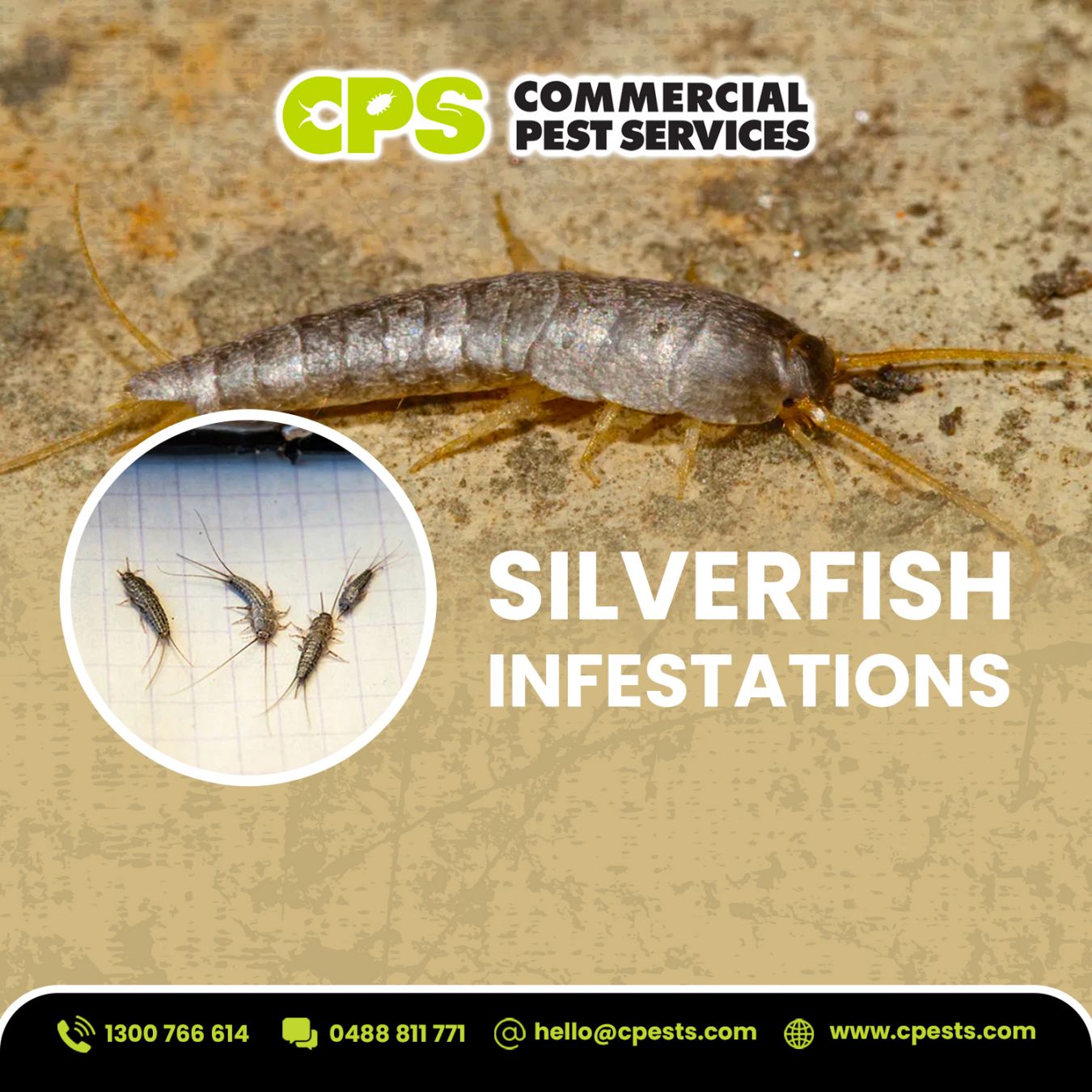
Adult silverfish measure 12-19mm in length and display distinctive silvery-grey fine scales covering their carrot-shaped bodies. They feature two long antennae at the front and three tail bristles (cerci) at the rear, giving them a characteristic appearance. Their movement resembles fish swimming, which explains their common name.
Silverfish can live up to six years under optimal conditions, with some individuals surviving even longer. This extended lifespan means that a single generation can persist through multiple treatment attempts if the underlying conditions aren’t addressed. Their ability to survive for several months without food makes them resilient pests in environments where food sources are scarce.
Preferred Habitats and Feeding Patterns
Silverfish prefer dark, warm, humid, and undisturbed places, most active at night and hiding during the day. They thrive in damp areas with humidity between 75-95%, such as bathrooms, basements, kitchens, laundries, and storage spaces.
Their diet includes:
Starchy substances like paper, glue, and fabrics
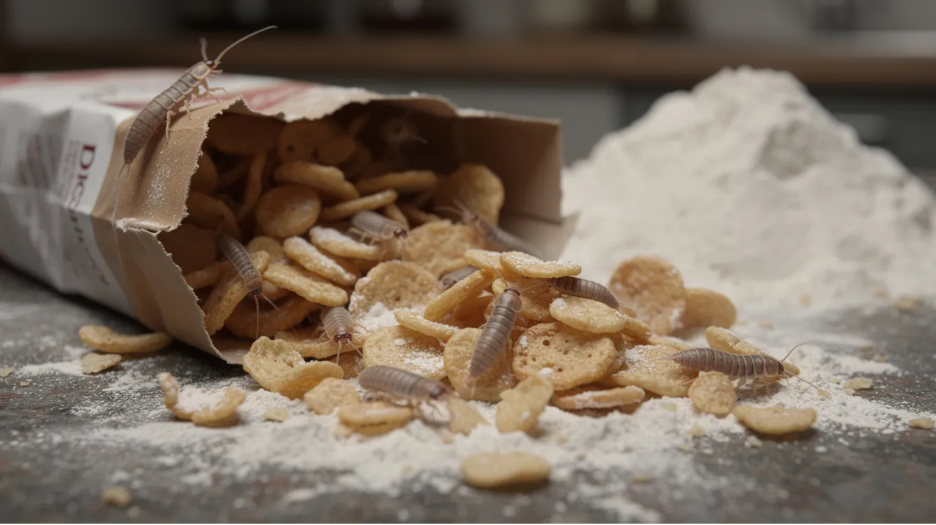
Dry foods such as cereal and flour
Cellulose from paper and cardboard
Dead insects and skin cells
Animal and natural fibres in clothing, carpets, and upholstery
Pet food, food crumbs, and improperly stored dry goods in kitchens and pantries
Silverfish Infestation Signs and Damage Assessment
Connecting your knowledge of silverfish biology to practical detection allows early intervention before populations establish in multiple areas.
“The primary inspection should be where silverfish are known to thrive in dark, damp areas such as basements, attics, kitchens, and bathrooms.”
Early Warning Signs
Live silverfish sightings during nighttime hours provide the most direct evidence of activity. If you see silverfish when turning on lights at night or disturbing stored materials, an established population likely exists nearby.
Silverfish droppings are small, spherical, and black, often found in areas where they feed, such as stacks of paper or food packages. Signs of silverfish presence include irregular holes, notches, or yellow stains on materials like clothing and wallpaper.
Shed skins accumulate in undisturbed areas where silverfish shelter, particularly in corners of storage areas, behind furniture, and within bookcases.
Damage Identification
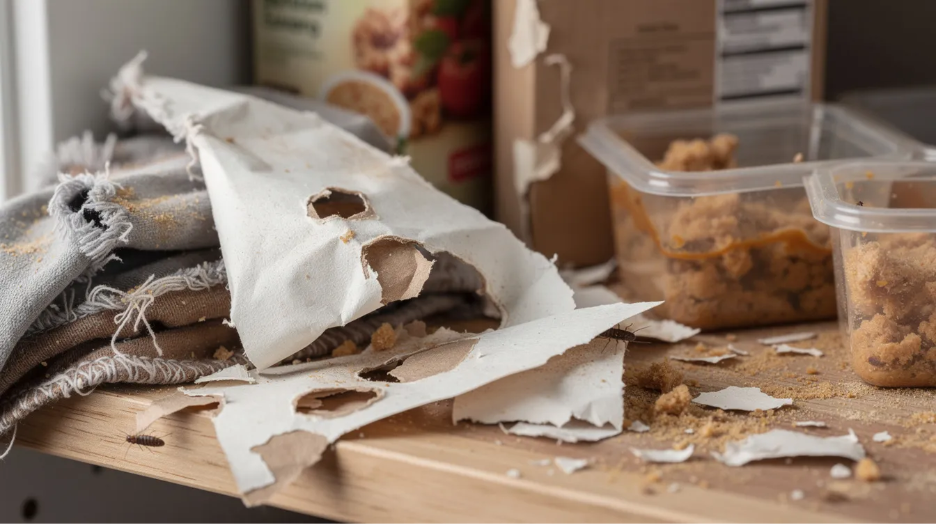
Damage to paper items, such as irregular holes or chewed areas on books and storage boxes, clearly indicates a silverfish infestation. Their damage appears ragged and uneven, often following paper coatings.
Chewed clothing fabrics, especially cotton, linen, silk, or natural fibres, show small holes or thinning. Silverfish feed on starches in fabric sizing, targeting both fresh and stored textiles.
Damaged food packaging and contaminated stored goods point to kitchen or pantry infestations. Look for entry holes in cardboard, paper packaging, and unsealed containers. Silverfish may also contaminate dry foods directly.
Infestation Severity Assessment
A single silverfish sighting differs from finding multiple signs across rooms. One sighting may be isolated, but droppings, shed skins, and damage in several areas indicate an established infestation needing thorough treatment.
Assess damage by checking books, documents, fabrics, and food storage. The extent and age of damage show how long silverfish have been present.
Professional inspection is recommended when evidence appears in multiple rooms, damage occurs in hidden areas, or DIY methods fail. This helps determine appropriate treatment methods.
Professional Silverfish Control Methods and Implementation
Building on assessment findings, treatment selection depends on infestation severity, property type, and the specific locations where silverfish harbour. To effectively control silverfish, it is important to treat all areas of the home simultaneously to prevent them from moving and starting new infestations.
Treatment Method Comparison
Criterion
DIY Treatment
Professional Treatment
Initial Cost
$20-80 for products
$150-350 for standard homes
Treatment Coverage
Surface areas only
Including wall voids and hidden areas
Product Strength
Consumer-grade formulations
Professional-grade residual products
Success Rate
Moderate for minor issues
High for all severity levels
Time to Results
Variable, often incomplete
Typically 2-4 weeks visible reduction
Follow-up Included
Self-managed
Usually included in service
Guarantee
None
Often 12 months or retreatment
DIY methods using boric acid, diatomaceous earth, or retail insecticides may deter silverfish and reduce visible activity.
Diatomaceous Earth (DE) can be used as a natural powder to kill silverfish by dehydrating them on contact. However, these approaches rarely reach hidden populations in wall voids where silverfish harbour.
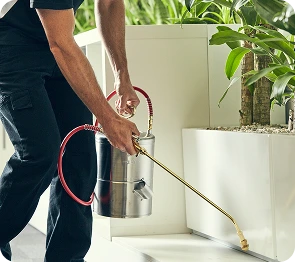
Professional treatment offers advantages in species identification, access to professional-grade chemicals, safety protocols, and treating inaccessible areas.
Professional pest control services providing ongoing protection programs deliver the most reliable long-term results, particularly for properties with conditions favouring reinfestation.
Common Silverfish Control Challenges and Solutions
Several obstacles commonly interfere with silverfish elimination efforts. Understanding these challenges helps set realistic expectations and select appropriate control strategies.
Reinfestation After Initial Treatment
Reinfestation typically occurs when underlying moisture issues or entry points remain unaddressed. Even effective chemical treatment cannot prevent new silverfish from entering through unsealed gaps or establishing in persistently humid areas.
Hidden Populations in Wall Voids and Storage Areas
Silverfish thrive in structural voids beyond reach of surface treatments. They can establish populations inside wall cavities, within insulation, behind built-in furniture, and in rarely disturbed storage areas.
Solution: Professional detection methods including dust application to voids through small drill holes and extended-residual treatments reach these hidden populations. For accessible storage areas, complete removal and inspection of stored items allows treatment of harbourage sites. Structural modifications including sealing gaps where pipes and wiring enter walls reduce available hiding spots.
Resistance to Over-the-Counter Products
Repeated use of the same consumer insecticides may produce suboptimal results. Additionally, retail products often lack the residual effectiveness needed for species with long lifecycles like silverfish.
Solution: Professional-grade products offer different active ingredients, better residual activity, and application methods suited to silverfish biology. Rotating chemical classes prevents resistance development. Professional services typically include service guarantees ensuring retreatment if silverfish activity persists, providing assurance that control objectives will be achieved.
Prevention Strategies and Long-Term Control
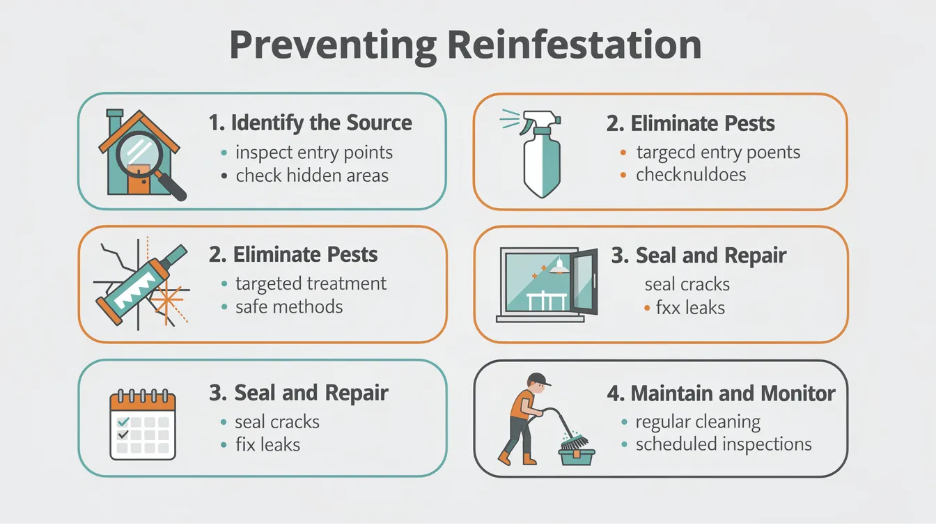
Effective long-term pest control involves making your home inhospitable to pests. Combining environmental management with monitoring creates conditions where silverfish cannot establish or maintain populations.
Immediate prevention steps:
Reduce humidity throughout your property by running exhaust fans, fixing leaks, and using dehumidifiers in damp areas
Store dry foods in airtight containers or plastic containers rather than original packaging
Replace cardboard boxes with sealed containers for long-term storage
Cleaning and decluttering are essential components of successful silverfish elimination
Regular vacuuming can help remove dust, crumbs, and dead silverfish, limiting their food sources
Airtight storage for food is important to prevent attracting silverfish
Environmental maintenance:
Essential oils such as lavender and cedarwood can act as natural repellents for silverfish when used alongside other methods
Vacuuming and steam cleaning fabric furniture and carpets can help kill silverfish and reduce dirt and grime build-up, which may attract them
Regular monitoring and addressing the conditions that attract silverfish, such as high humidity and food sources, are essential for long-term prevention
Professional monitoring program benefits:
Scheduled inspections catch early activity before populations establish
Proactive treatment during high-risk seasons prevents seasonal surges
Documentation supports warranty claims and property management requirements
Related pest concerns often overlap with silverfish control: carpet beetles share similar habitat preferences and may indicate the same underlying moisture issues. Black ants and other pests attracted to similar conditions may warrant comprehensive protection planning addressing multiple species simultaneously.
Additional Resources
Inspection checklist for silverfish-prone areas:
Bathroom cabinets and under sinks
Laundry rooms and behind washing machines
Kitchen pantries and food storage areas
Bookcases and document storage
Wardrobes and clothing storage
Basement and attic spaces
Around air conditioning units and air vents
Humidity monitoring recommendations:
Target indoor relative humidity below 50-60%
Use hygrometers in problem areas to track conditions
Address any readings consistently above 70% as priority
When to seek professional consultation:
Silverfish found in multiple rooms
Damage to valuable documents or textiles
Previous DIY treatments unsuccessful
Commercial or heritage properties requiring specialised approaches
Left untreated, silverfish populations will continue growing and spreading to new areas
We acknowledge the Traditional Custodians of Country throughout Australia and their connections to land, sea, and community.
We pay our respect to their Elders past and present and extend that respect to all Aboriginal and Torres Strait Islander peoples today.