Bird Pest Control

Birds are a highly diverse group of animals found all across Australia, from cities and suburbs to farms and forests.
While many bird species are harmless or even beneficial, some can become serious pests when they invade homes, businesses, or agricultural areas. Pest birds such as pigeons, starlings, sparrows, and mynas cause problems by nesting in roof voids, leaving droppings that corrode surfaces, and spreading diseases that pose risks to humans and livestock.
Their nesting habits often block gutters, vents, and drainage systems, creating fire hazards and water damage. In agricultural settings, flocks of pest birds can strip crops, contaminate feed, and cause significant financial losses. Once established, they reproduce quickly and can be very difficult to remove without professional help.
What do Birds Look Like?
Birds vary widely in size, colour, and appearance depending on the species. Pest birds common in Australia include:
Pigeons
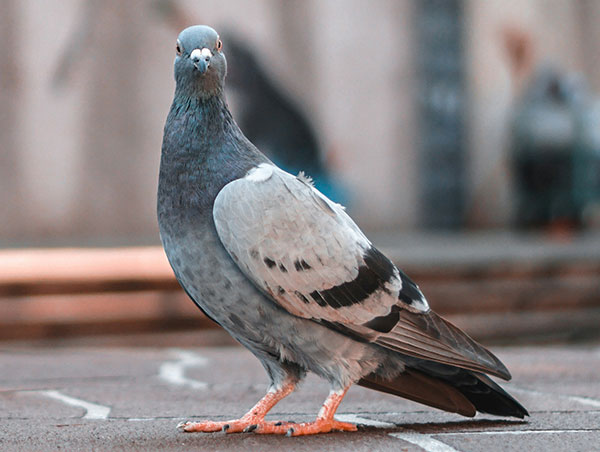
Medium-sized grey birds with iridescent neck feathers.
Indian Mynas
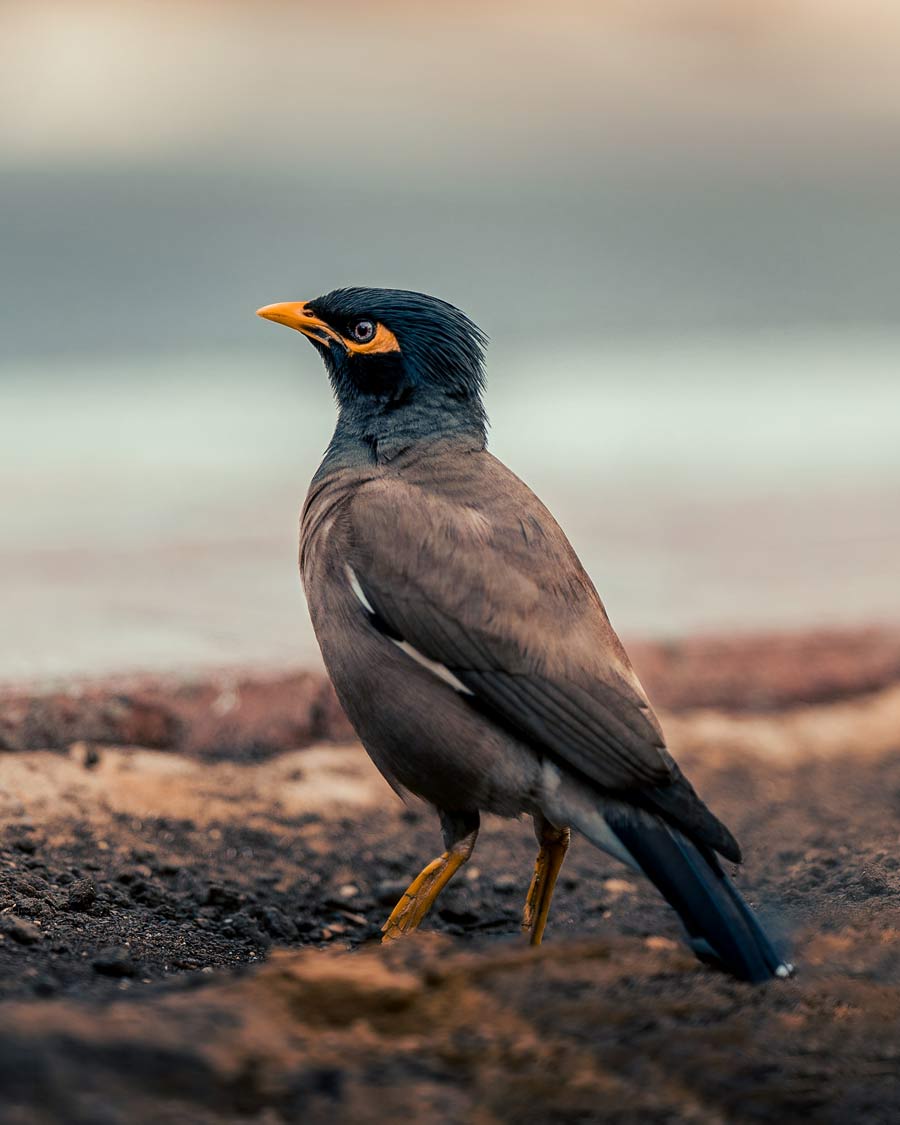
Brown birds with yellow beaks and legs, known for aggressive behaviour.
Starlings
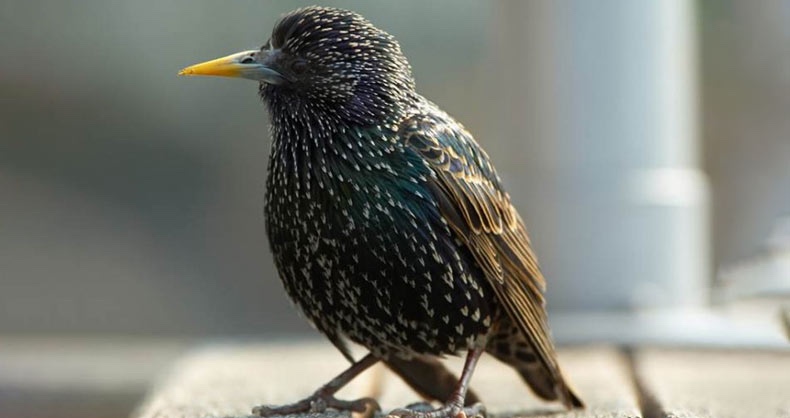
Small black or dark brown birds with speckled markings.
House Sparrows
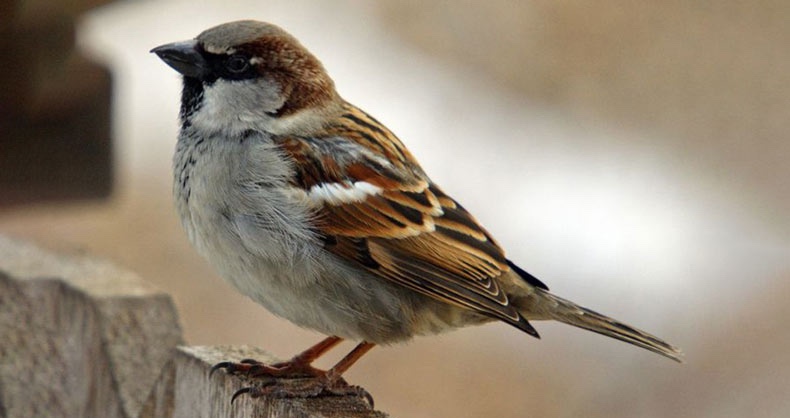
Small, stocky birds with brown and grey plumage.
While their appearances differ, pest birds are often easy to recognise by their behaviour, roosting in large groups, leaving droppings on buildings, and nesting in man-made structures.
Where Do Birds Live?
Birds are highly adaptable and live in almost every environment in Australia. Pest species in particular thrive in urban and suburban areas where food and shelter are abundant. They often roost on rooftops, ledges, and signs, or nest in roof voids, gutters, and vents.
In rural areas, they gather in large flocks around farms, grain silos, orchards, and vineyards, where they damage crops and contaminate feed. Around coastal towns and cities, pest birds scavenge in rubbish bins, outdoor dining areas, and landfills, quickly multiplying where food waste is readily available.
Common Types of Pest Birds in Australia
Australia is home to hundreds of bird species, many of which are harmless or even beneficial to the environment. However, certain species have adapted to urban and agricultural settings so successfully that they are now considered major pests. These birds damage property, spread disease, contaminate food supplies, and compete aggressively with native wildlife.
Below are some of the most common pest bird species in Australia and why they are a problem
Pigeons (Columbia livia)
How they look
Pigeons are medium-sized birds, usually grey with iridescent green or purple neck feathers. They are often seen in large flocks in cities and towns.
Where they live
They thrive in urban areas, nesting in roof voids, ledges, gutters, and building crevices. They also congregate around parks, outdoor dining areas, and warehouses where food waste is available.
Why they are a problem
Pigeons are one of the most destructive pest birds in Australia. Their droppings are acidic, corroding metal, damaging buildings, and defacing monuments. They carry diseases transmissible to humans, including salmonella and psittacosis, and their nests block gutters and vents, creating fire and water hazards.
Indian Mynas (Acridotheres tristis)
How they look
Indian Mynas are medium-sized brown birds with bright yellow legs and eye patches. They have a black head and a distinct, noisy call.
Where they live
Originally introduced from India in the 1860s to control insects in market gardens, they now thrive in urban and suburban areas across eastern Australia. They nest in roof spaces, tree hollows, and even garden structures.
Why they are a problem
Mynas are aggressive invaders, competing with native birds and small mammals for nesting sites. They spread mites and lice, damage crops, and contaminate food. Their large roosting flocks create noise, odour, and unhygienic conditions in both residential and commercial areas.
Starlings (Sturnus vulgaris)
How they look
Starlings are small blackish birds with glossy plumage that often appears speckled. They have sharp beaks and are usually seen in large flocks.
Where they live
They inhabit farmlands, orchards, and urban areas, nesting in cavities, buildings, and machinery. Large flocks often gather in rural regions, especially where food is plentiful.
Why they are a problem
Starlings are notorious agricultural pests. They damage fruit crops, eat stored grains, and foul water sources with droppings. Their large flocks also pose hazards to aviation and overwhelm native bird populations.
House Sparrows (Passer domesticus)
How they look
Small, stocky birds with brown, black, and grey markings. Males typically have a black bib under their beak.
Where they live
Common around homes, warehouses, and rural properties. They nest in roof spaces, sheds, and wall cavities, often close to human activity.
Why they are a problem
Sparrows contaminate food and feed storage areas with droppings, spread parasites, and cause damage by nesting in electrical equipment, roof voids, and machinery. Their rapid breeding makes infestations difficult to manage once established.
How to Identify Bird Infestations
Nests and Roosting Sites
One of the most obvious signs of a bird infestation is the presence of nests in roof voids, gutters, wall cavities, ledges, and other sheltered spots around buildings. Pest birds such as pigeons, starlings, and sparrows often nest in man-made structures, blocking gutters, vents, and drainage systems. Large roosting flocks on rooftops, signs, or powerlines are another strong indicator that birds are establishing themselves nearby.
Droppings and Fouling
Bird droppings are a key sign of infestation. Pigeons ,in particular, leave large amounts of acidic waste that stains and corrodes building materials, solar panels, and vehicles. Droppings are often found on ledges, balconies, walkways, or anywhere birds regularly perch. In food-related businesses, contamination from droppings can pose serious hygiene and safety risks.
Noise and Behaviour
Infestations are often identified by the noise birds create. Mynas and starlings form noisy roosts at dusk, while sparrows chatter constantly when nesting indoors. Aggressive behaviour is another tell-tale sign. Indian Mynas, for example, are known to attack other birds and take over nesting hollows.
Spread of Infestations
Bird infestations spread as flocks expand and young birds establish new roosting or nesting sites. Human activity also plays a role — food waste, unsecured rubbish bins, outdoor pet feeding, and open storage areas all encourage pest birds to gather and breed. Once a few birds begin roosting in an area, more are likely to join, quickly turning a minor issue into a full infestation.
Health and Safety Risks
Birds are not just noisy or messy, they can carry diseases such as salmonella, psittacosis, and histoplasmosis, which are spread through droppings, feathers, and nesting material. Their presence can also trigger asthma and allergies when droppings dry and turn to dust. Parasites such as mites and lice may spread from nests into homes or businesses, causing additional health concerns.
Property and Environmental Damage
Bird nests and droppings cause significant property damage. Blocked gutters and drains can lead to water leaks, while droppings corrode paint, stone, and metal. In agriculture, flocks of starlings and sparrows can strip crops and spoil grain supplies. Pest birds also displace native species, outcompeting them for food and nesting sites, which impacts local biodiversity.
Signs of Heavy Infestation
In severe cases, large flocks will roost nightly on rooftops, ledges, or trees near properties, leaving extensive fouling across multiple surfaces. Constant noise, strong odours, and blocked gutters or vents are common.
Indoors, sparrows or starlings may establish nests in warehouses, roof cavities, or sheds. At this stage, the risks to health, safety, and property make professional bird control essential to properly assess the situation and apply targeted treatments.
How to Get Rid of Bird Infestations
Bird infestations are challenging to manage because many pest species — such as pigeons, starlings, and Indian Mynas — are highly adaptable, reproduce quickly, and thrive in urban and agricultural environments. Once they establish roosting or nesting sites, droppings and nesting material can build up rapidly, creating health hazards, property damage, and fire risks.
Because birds are mobile, intelligent, and often protected by animal welfare laws, eradication is not as simple as removing a nest. Successful bird control usually requires a combination of at-home deterrents and professional bird management solutions.
At-Home Actions to Get Rid Of Birds
Remove Food Sources
Birds are opportunistic feeders. Secure rubbish bins with tight-fitting lids, avoid leaving pet food outdoors, and clean up food scraps from gardens, barbecues, and outdoor dining areas. On rural properties, cover feed stores and promptly clean up spilled grain or livestock feed.
Limit Access to Nesting Sites
Inspect your property for common nesting areas such as roof voids, wall cavities, ledges, and sheds. Block gaps and crevices with wire mesh, bird netting, or sealant to deny access. Removing old nests (with protective gear) can also help prevent birds from returning to the same location.
Use Deterrents
Simple deterrents can discourage birds from roosting on buildings and outdoor spaces. These include reflective tape, plastic spikes on ledges, and motion-activated sprinklers or noise devices in gardens. While not always a permanent solution, they can reduce activity in problem areas.
Reduce Standing Water
Birds are attracted to water sources for drinking and bathing. Remove standing water from gutters, buckets, and outdoor containers. On larger properties, cover water troughs when not in use to reduce bird congregation.
Professional Bird Treatments
While at-home measures may deter small numbers of birds, established infestations are rarely controlled without expert help. Licensed pest controllers use humane, effective methods that comply with Australian laws and provide lasting results.
Bird Netting and Exclusion Systems
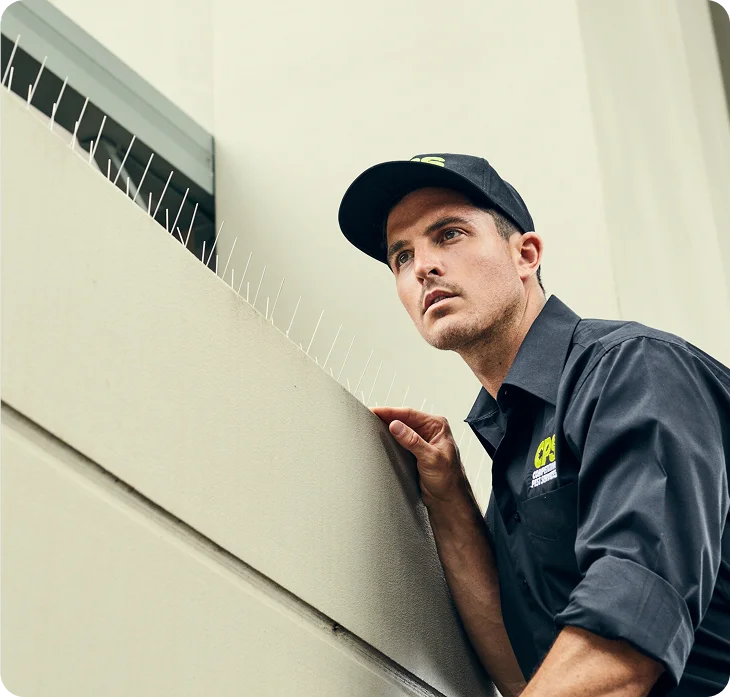
Professionals can install bird netting, spikes, or wire systems to prevent pest birds from roosting and nesting on buildings. These methods are particularly effective in warehouses, shopping centres, and food production facilities.
Trapping and Removal
In some cases, targeted trapping programs may be used to humanely capture and remove invasive birds such as Indian Mynas or pigeons. These methods are carefully controlled to minimise risks to native species.
Repellent Treatments
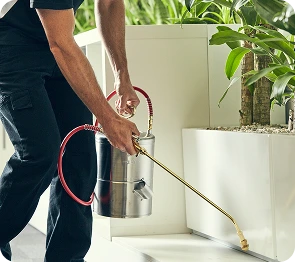
Specialised non-toxic gels and sprays can be applied to ledges, beams, and other roosting sites. These create an uncomfortable surface for birds, discouraging them from settling without causing harm.
Follow-Up Inspections
Because pest birds often return to familiar nesting and feeding sites, follow-up visits are essential. Professionals can monitor treated areas, reinforce exclusion systems, and provide advice on long-term prevention strategies.
Call a Pest Control Professional
Birds may seem harmless, but pest species pose significant risks to health, safety, and property. Droppings corrode buildings and spread disease, nests block gutters and vents, and large flocks create noise, odours, and fire hazards. In agricultural settings, pest birds can also devastate crops and contaminate feed supplies.
A licensed pest control company can assess the extent of the infestation, identify the bird species, and apply safe, effective treatments tailored to your property. Eco-friendly and humane bird control options are available to minimise environmental impact while ensuring long-term protection.
Need help now? Book a professional bird inspection on 1300 766 614. Our experts will inspect your property, explain your treatment options, and create a customised plan to eliminate pest birds and stop them from coming back.
Frequently Asked Questions (FAQ)
What do pigeons eat?
Pigeons are opportunistic feeders and will eat almost anything. In cities, they thrive on discarded food scraps, bread, and rubbish. Naturally, they prefer seeds, grains, and fruits. Their adaptability to human environments is one of the main reasons pigeon populations grow so quickly in urban areas.
How long do pigeons live?
In the wild, pigeons typically live 3–6 years due to predators, disease, and harsh conditions. However, in urban environments where food and shelter are abundant, some pigeons can live up to 10–15 years. Their long lifespan and ability to breed year-round make infestations difficult to manage.
How to get rid of pigeons on roof?
The best way to get rid of pigeons on roofs is through exclusion and deterrents. Installing bird spikes, mesh netting, or sloped ledge covers makes it difficult for pigeons to land or nest. Removing food sources and regularly cleaning gutters also reduces attraction. For large infestations, professional pest control is recommended to ensure safe and long-term results.
What do Indian myna birds eat?
Indian Mynas are omnivores and will eat almost anything, including insects, fruit, scraps, and pet food. Their willingness to scavenge in bins, outdoor dining areas, and gardens makes them a common urban pest. This diet flexibility also contributes to their rapid spread across eastern Australia.
What do starlings eat?
Starlings feed on insects, seeds, berries, and fruit. In agricultural areas, they are known to attack cereal crops, orchards, and vineyards. Their large flocks can cause major economic losses by stripping crops and contaminating animal feed.
What problems do starlings cause?
Starlings cause multiple issues: they damage fruit and grain crops, foul buildings and machinery with droppings, spread diseases, and displace native birds from nesting sites. Their large flocks also create noise and odour problems and can pose hazards to aviation when they gather near airports.
Why are house sparrows bad?
Starlings cause multiple issues: they damage fruit and grain crops, foul buildings and machinery with droppings, spread diseases, and displace native birds from nesting sites. Their large flocks also create noise and odour problems and can pose hazards to aviation when they gather near airports.



Targeted bird control for common pest species
Different bird species cause different problems—and each requires a tailored solution. We identify the birds on your site and apply the right mix of deterrents to keep them away safely and effectively.
Expertise in proven bird control solutions
Birds can cause serious damage to buildings, equipment and health standards—especially in commercial and industrial settings. At CPS, we deliver tailored bird prevention solutions for all property types, from urban warehouses to remote infrastructure. Our expert team uses proven methods and premium materials to stop birds from nesting, roosting or returning.
We match the right solution to your needs, bird species, and site complexity, while ensuring discreet, effective installation. Whether you need bird spikes on ledges or full exclusion systems on rooftops, we’ve got you covered.

Bird netting is the strongest and most versatile bird exclusion system in the world.


Flex Track is a low-profile electrical bird track effective against all pest bird species.

Post & Wire bird deterrent is a very cost effective bird control system against pigeons and seagulls.

Bird trapping services that are compliant to NSW Parks & Wildlife, and RSPCA.

As a last resort, and to assist clients with small budgets who need an immediate result.


View our specialised, expert bird control solutions for every industry.
Tailored bird control for your site and situation
No two sites are the same. We assess your location, access, bird activity and industry needs to deliver a solution that’s practical, effective and built to last—whether you’re managing a single building or a complex facility.


Expert bird control solutions for any industry
From airports to agriculture, we deliver bird control strategies tailored to your environment. Each industry faces unique risks, and our team has the experience to match the right solution to your site—ensuring safety, compliance and lasting protection.

Your solution partner not just a contractor
Competitive Pest Control Services is not just a contractor, we’re your expert partner in pest management.
Through our meticulous reporting and records, we’ll know your business almost like we do our own, the challenges you face and what solutions have delivered results. We review our data continuously to keep ahead of changing conditions and new challenges and our specialised technicians are trained in proactive pest management. We don’t just treat the pests you see, we’re always looking for the ones that haven’t appeared yet.

Our bird control services include detailed digital reporting after each visit, with clear records of activity, deterrents installed, and follow-up recommendations – all accessible online. This supports audit readiness, tracks bird pressure over time, and helps ensure ongoing compliance across all your sites.

Our technicians are trained to identify signs of bird activity and the structural vulnerabilities that allow birds to nest or roost. We assess ledges, beams, signage and high-risk areas, then implement targeted exclusion strategies – from spikes to netting – to stop birds returning and prevent damage.

Your account manager coordinates every aspect of your bird control program. They understand the risks, restrictions and sensitivities of your site, ensuring the right solutions are installed quickly and maintained effectively, with minimal disruption to your operations.
What our clients say

“CPS has consistently delivered outstanding service across both pest control and hygiene solutions. Their team is knowledgeable, responsive, and always professional. We’ve seen excellent results from their pest treatments, and their hygiene services have helped maintain a clean and safe environment for our staff and customers. It’s clear they take pride in their work and genuinely care about client satisfaction. Highly recommended!”

“At Ronald McDonald House Charities (RMHC), creating a safe and welcoming environment for families is at the heart of what we do. CPS has been an exceptional partner – professional, responsive, and always willing to go the extra mile to keep our Houses and Family Retreats protected.
Their reliability and commitment to quality give us real peace of mind, and we’re proud to work with a partner that shares our commitment to comfort, care and connection for families who need it most.”

“Since the day that we moved to CPS for our pest control, I was pleased with the level of understanding and professionalism demonstrated by all the staff that both visited the site and supported them from the office. Site maps, service and hand overs have been fantastic. I happily endorse the work carried out by CPS and recommend them to prospective clients as a great team to deal with.”

“We’ve been working with Competitive Pest Services across multiple sites in three states as our primary pest control provider. Their team has been responsive and easy to get in touch with, even at short notice, which is a big advantage for multi-site, multi-state operations like ours. They provide comprehensive recommendations and are willing to go the extra mile when needed”

“We are thrilled to share our outstanding experience with Competitive Pest Control and Competitive Hygiene, who have been providing services across all Beyond Bank locations. Their professionalism, reliability, and attention to detail have consistently exceeded expectations”

Competitive Pest Services has provided contractual routine pest control and termite inspections and treatments to Ausgrid for the last 12 years, and recently was awarded a 3 year contract extension. In addition to the contractual services provided, Competitive Pest Services also provides after hour emergency services that includes removal of pests at all Ausgrid depots, substations, offices and warehouses.

“We have used CPS as our preferred pest control partner for several years. We have always found them professional and very reliable, which is of utmost importance when dealing with the intricacies of tenancies and vendors during a sale campaign.”

“We have used CPS as our preferred pest control partner for several years. We have always found them professional and very reliable, which is of utmost importance when dealing with the intricacies of tenancies and vendors during a sale campaign. We always find them quick to get out to our properties, the service is always excellent and the job done well, and there is an added benefit with CPS that they are also proactive in scheduling follow up treatments for the more serious issues like termites. I have never had a dissatisfied customer and we have had them attend hundreds of our properties. I would happily recommend them to anyone looking for a pest control company.”