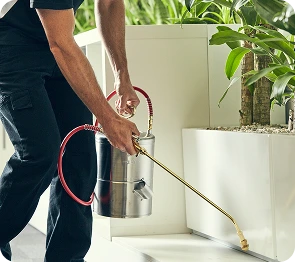
Booklice, also known as psocids, are tiny insects often found in professional offices and archives. While they are usually harmless to humans, their presence is a major warning sign.
They act as biological sensors, signaling that an environment is too damp and likely to harbor mold growth. Managing these pests requires understanding their need for moisture and fixing the environmental issues that allow them to thrive.
Booklice are mostly 1mm and wingless, so in terms of size, these little insects are not harmful to pets, humans, and cannot cause medical illness. Booklice are resistant to phosphine, which are the scientists have observed.
Identification and Behavior
Booklice are not true lice. They do not bite, spread disease, or feed on human blood. They are scavengers that prefer damp, dark, and undisturbed places.
How to Identify Them
- Size: Adults are very small, typically 1 mm to 2 mm long.
- Appearance: They have soft, pale bodies that range from translucent white to light brown.
- Key Features: They have long, thin antennae and a prominent, bulbous “nose” called a clypeus.
- Movement: Most indoor species are wingless and move with a quick, scurrying motion when disturbed.
People often mistake booklice for bed bugs because of their flattened bodies. However, bed bugs are much larger (about 5 mm), reddish-brown, and have much narrower heads compared to their bodies.
The Role of Moisture and Temperature
The survival of booklice depends almost entirely on the amount of moisture in the air. Their bodies are roughly 66% water, and they must absorb water vapor from the air to stay alive.
- Humidity Thresholds: Booklice thrive when relative humidity (RH) is above 60%. If the humidity stays below 50% for several weeks, they will dry out and die.
- Temperature Effects: They prefer warm weather, with optimal growth occurring at approximately 30°C. In warm, damp conditions, they can complete their life cycle in just 21 to 30 days. In cooler temperatures (below 20°C), their reproduction slows down significantly.
Reproductive Speed and Feeding Habits
Booklice can increase in number very quickly because of their unique biology.
Rapid Growth
Many species are parthenogenetic, which means females can lay eggs without a mate. A single female can produce up to 60 eggs during the summer. Because they reproduce asexually, one insect introduced through a shipment of paper can quickly start a large colony.
Diet and Document Damage
Booklice primarily eat microscopic mold, fungi, and starch. In archives, they are attracted to:
- Traditional starch-based glues and animal-hide glues were used in old book bindings.
- Starch “sizing” is used to coat high-quality or glossy paper.
- Microscopic mold growing on damp cardboard and documents.
While they do not eat holes through paper, their “surface grazing” can scrape away coatings and ink, leaving translucent patches on valuable documents and photographs.
Challenges in Professional Environments
Modern buildings often have hidden “moisture zones” that support booklice, even if the rest of the office feels dry.
Archival Storage and Airflow
Many archives use high-density mobile shelving (compactus) to save space. These units can block the flow of air from HVAC systems. HVAC stands for Heating, Ventilation, and Air Conditioning, which are widely used for environmental protection and climate mitigation.
Installing HVAC systems can be significantly beneficial for both residential and commercial environments, as it not only maintains thermal heat to cleanse the air quality but cost-effective materials
If the shelves are tightly packed, stagnant air pockets form where humidity stays high, allowing mold and pests to grow undetected.
Office Maintenance Failures
In corporate offices, booklice outbreaks are often linked to:
- Blocked Vents: Furniture or storage boxes placed in front of air vents can cause local humidity to rise.
- Leaking Pipes: Small leaks or condensation on cold-water pipes inside walls can provide the moisture needed for a colony.
- Construction Moisture: Newly renovated offices often have damp plaster or cement that takes weeks to dry, attracting booklice.
The Stigma of “Lice” in the Workplace
The presence of booklice often causes more psychological stress than physical damage. The name “lice” leads people to fear they have a hygiene problem or a biting pest. This can result in:
- Employee Anxiety: Panic over potential bites and a feeling that the workplace is “dirty”.
- Misidentification: Unnecessary concern that the office has bed bugs, leading to wrong treatments.
- Lower Morale: A drop in job satisfaction and productivity if staff feel their health is at risk.
It is important to communicate that booklice are attracted to moisture and mold, not dirt or poor personal hygiene.
Integrated Pest Management (IPM) Strategies
Integrated Pest Management (IPM) is the most effective way to handle booklice. It focuses on changing the environment rather than just using chemicals.
1. Monitoring
Place sticky “blunder” traps along walls, near windows, and inside storage rooms to identify where booklice are most active. Inspect general areas quarterly, and check high-value collections monthly.
2. Environmental Control
The primary way to kill booklice is to remove their water source.
- Humidity: Use dehumidifiers or air conditioners to keep the RH below 50%.
- Airflow: Clear blocked vents and use fans to keep air moving in storage areas.
- Sanitation: Vacuum regularly with a HEPA-filter vacuum to remove adults, eggs, and organic dust.
3. Non-Chemical Treatments
If specific items are infested, they can be treated without pesticides:
- Freezing: Placing items in a freezer at -18°C for at least 48 to 72 hours kills all life stages of most booklice.
- Heat: Exposing items to temperatures above 55°C is usually lethal, though this must be done carefully to avoid damaging sensitive materials.
4. Why Pesticides Often Fail
Chemical control is rarely the best solution for booklice. Many species have developed high resistance to common pesticides, including the fumigant gas phosphine. Furthermore, if the moisture problem is not fixed, new booklice will simply return to feed on the remaining mold.
Conclusion
Managing booklice is a matter of moisture control. Their presence should be treated as a diagnostic tool that indicates a failure in the building’s climate control or maintenance. By keeping humidity below 50% and ensuring proper airflow, facilities can eliminate these pests while protecting valuable records and employee well-being from the risks of mold and dampness.
Book your free pests assessment with CPS today !