The pest control industry across Australia and New Zealand is evolving rapidly. Driven by urbanisation, rising public health expectations, climate-related pest activity, and stronger compliance standards, modern pest management is becoming increasingly technology-driven and prevention-focused.
The global pest control market was valued at approximately USD 18.94 billion in 2024 and is forecast to reach USD 26.83 billion by 2034, as provided by Intel Market Search (https://www.intelmarketresearch.com/pest-control-market-28862). Across pest control 2026 trends, both residential and commercial customers are increasingly seeking services that are more transparent, environmentally responsible, proactive rather than reactive, and supported by smarter monitoring and reporting systems.
At the same time, providers across the region are adopting more advanced technologies and targeted pest management strategies to meet changing customer expectations.
What Pest Control Is and Why It Matters More Today
Pest control refers to the management and regulation of organisms that threaten human health, property, food safety, environmental hygiene, and ecosystems.
Nowadays, modern urbanization, dense population, and crowded infrastructure could not help create a new ideal environment for pests. Whether for home owners or business owners, pests are indeed a nuisance.
More than that pests like rodents, cockroaches, mosquitoes, birds, termites, and flies may contribute contamination risks, disease transmission, structural damage, operational disruption, and reputational damage for business.
Such risks could not be tolerated in commercial industry such as hospitality and accommodation services, healthcare facilities, food preparation and manufacturing services, warehouses and logistics facilities, retail and corporate offices and school and childcare facilities.
Pest Control is now important more than ever.
Past experience of COVID-19 pandemic and recent concerns about Hantavirus questions and enhance public awareness about hygiene and possibility of infectious disease from animal-borne diseases. It was rather awakening and threatening about the contact between humans and those hazardous pests.
At the same time, modern urbanization, increased population, and dense infrastructure as well as deforestation, and climate change are some of the common reasons that fbrings pests like termite, spiders, rodents and cockroaches to close proximity with human properties.
Such circumstances allow the public to be more cautious about pest hazards regarding human and animal health, structural damage, and operation risks. As a result, pest management is increasingly viewed as part of broader public health and operational risk management rather than simply responding to visible infestations.
The Pest Control Landscape in Australia and New Zealand
The pest control industry has shown steady growth since 2020, primarily driven by urbanization, food safety standards, and rising commercial demands, and projected to grow up to the next 5-10 years.
Growing Demand for Preventive Pest Management
Urban growth, expanding infrastructure, international supply chains, and stricter compliance expectations are increasing demand for long-term prevention strategies.
Commercial facilities increasingly require:
- Proactive Environmental Hygiene Programs
Many businesses are now moving away from one-off reactive treatments and adopting prevention-focused pest management instead.
Urban development is also changing pest behaviour patterns across cities and commercial environments. Explore what we wrote about how modern urbanization influences pest activity and behaviour.
Technology Is Changing How Pest Management Works
Modern pest management increasingly uses technology to improve monitoring, treatment accuracy, and operational efficiency.
Technologies becoming more common across Australia and smart pest control New Zealand markets include:
- IoT smart monitoring and digital platforms – real‑time sensors and cloud dashboards (smart traps, sensors, client portals) for continuous monitoring and condition‑based responses are widely promoted by vendors and operators in both countries.
- AI/Machine Learning – predictive analytics for infestation risk (weather, building data, historical captures) and route/operations optimisation are being trialled and rolled into commercial services.
- Drone/Robotics – aerial surveys, targeted spraying for larger/remote sites, and automated inspection tools are increasing especially for agricultural and large industrial clients.
- Next generation biological controls & low toxicity chemistries – RNAi, biopesticides and other targeted approaches are under research and early adoption as alternatives to broad‑spectrum pesticides
These technologies help identify pest activity earlier while reducing unnecessary chemical treatments and operational disruption.
Thus, the pest control industry is steadily shifting toward smarter and more targeted prevention models supported by real-time monitoring and environmental data.
A Shift Toward Monitoring and Subscription-Based Services
Australia and New Zealand experience diverse climate conditions and seasonal changes that allow many pests to remain active throughout the year. Warmer temperatures, coastal humidity, extended summers, and increasingly unpredictable weather patterns create favourable conditions for pests such as rodents, cockroaches, ants, mosquitoes, termites, and flies.
Unlike colder regions where pest activity may significantly decline during winter, many areas across Australia and New Zealand continue experiencing ongoing pest pressure across multiple seasons.
This is one of the key reasons the pest control industry is shifting away from purely reactive treatments and toward continuous monitoring and subscription-based prevention programs.
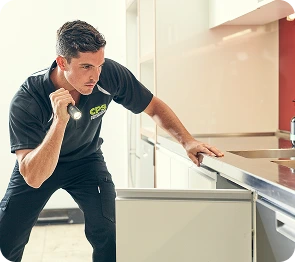
Instead of responding only after infestations become severe, modern pest management increasingly focuses on: ongoing monitoring, early identification, preventative measures, scheduled inspections, and digital reporting and compliance support.
This proactive approach helps identify pest activity earlier before it escalates into larger operational, hygiene, or structural problems.
For commercial environments especially, ongoing prevention programs are becoming increasingly important because consistent hygiene standards, operational continuity, and compliance requirements cannot rely on seasonal assumptions alone.
Industry Strengths, Challenges and Opportunities
As pest control has grown steadily since the 2020s, the industry professionals have figured out strengths, challenges, and opportunities.
Strengths
Pest control in Australia and New Zealand benefit from:
- Experienced Pest Management Professionals
- Established Food Safety and Health Regulations
- Increasing Environmental Awareness
- Growing Availability of Smart Pest Technologies
Technology adoption is also improving transparency and service consistency across the industry.
Challenges
Despite industry growth, several challenges remain. These include:
- Fragmented Markets with smaller operators
- High Upfront Technology costs
- Training Requirements for Advanced Systems
- Regulatory Complexity surrounding drones and biological controls
- Inconsistent Adoption of smart technologies
Smaller operators may also face uncertainty around the return on investment of new technologies.
Emerging Opportunities
The industry has been promising due to different factors including urbanization, modern technology and increasing customer demands. According to the industry report and insights from conferences also presents strong future opportunities through:
- Subscription-based monitoring services
- Environmentally responsible pest management
- AI-supported pest forecasting
- Greater use of biopesticides and biological controls
- improved regional pest-risk analysis through aggregated monitoring data
As sustainability expectations continue to grow, demand for lower-toxicity and targeted pest management solutions is also expected to increase. Pest Control Companies are also trying to use the advanced techniques that aligns with industry trends, modern advancements, and customer demands.
How Modern Technology Benefits Pest Management
Technology is improving pest management in several important ways.
Earlier Detection and Faster Response – Smart traps and remote monitoring systems help identify pest activity before infestations become severe. This may minimize operational disruption, improve response times, support more targeted treatments and reduce large-scale chemical treatments, thus contributing to lower safety risks and expenses.
Better Documentation and Transparency – Cloud reporting systems, digital service logs, and monitoring dashboards which provide businesses with clearer visibility into pest management activity. Such techniques are important for food facilities, healthcare environments, warehouses, and audited commercial sites. Documented reporting also helps support compliance and reassures clients that pest prevention programs are being managed consistently.
Improved Operational Efficiency – AI-assisted scheduling, route optimisation, and remote monitoring systems help improve technician response times while reducing unnecessary travel and delays.
These systems support more efficient service delivery across large commercial and residential service areas.
Challenges of Smart Pest Management Technology
Although modern technology provides many benefits, it also introduces new considerations for the industry.
Common challenges include:
- staff training requirements
- system integration limitations
- lack of standardised national data systems
As continuous monitoring systems become more common, discussions around data ownership and privacy are also becoming increasingly important.
Pest Control in 2026: Future Trends To Know
Several key trends are expected to continue shaping the pest control industry across Australia and New Zealand.
These include:
- broader adoption of sensor-based monitoring systems
- increased subscription and prevention-focused contracts
- stronger environmental and sustainability expectations
- wider use of AI-assisted forecasting and technician routing
- more pilot programs involving biological controls and biopesticides
Commercial environments are expected to lead adoption, while higher-value residential properties may increasingly adopt smart monitoring technologies as costs become more accessible.
Why Industry Conferences and Training Matter
Industry conferences and technical training events remain essential for helping professionals stay current with regulatory updates, safety standards, emerging technologies, and operational best practices. Events such as FAOPMA Pest Summit 2026 is an ideal space for industry professionals to share insights, current and future, including opportunities and drawbacks.
By providing opportunities for research discussions, product demonstrations, compliance training, and operational workshops, they can contribute to customers by providing safer treatment practices, better-trained technicians, validated pest management methods, and more transparent service standards.
How Pest Management Providers Are Adapting to Modern Expectations
As the pest control industry continues evolving across Australia and New Zealand, providers are increasingly expected to balance technology, environmental responsibility, transparency, and operational efficiency.
Modern customers now look beyond traditional reactive treatments. Both residential and commercial clients increasingly expect:
- environmentally conscious approaches
- lower-disruption treatment methods
- long-term prevention strategies
This shift is driving wider adoption of:
- sensor-based monitoring systems
- cloud reporting and digital service records
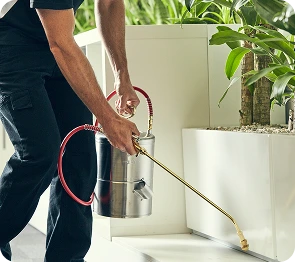
- targeted lower-toxicity treatments
- data-driven prevention programs
- environmentally responsible operational practices
Across the region, many providers are also aligning services with broader hygiene and environmental expectations through structured prevention programs and risk-based pest management approaches.
For commercial environments especially, pest management is increasingly becoming part of larger operational hygiene and environmental management systems rather than a standalone reactive service.
As smart pest control New Zealand systems and pest control Australia 2026 trends continue developing, the industry is steadily moving toward more preventive, transparent, and technology-supported service models designed to support safer environments and long-term pest reduction outcomes.
Frequently Asked Questions
Why hire a professional instead of using DIY products?
Professional pest management identifies the underlying causes of pest activity and applies targeted solutions that help reduce unnecessary risks, contamination, and ineffective treatments. DIY approaches often fail to address environmental conditions contributing to infestations.
Are there health risks if pest problems are ignored?
Yes. Pests may contribute to contamination risks, food safety concerns, structural damage, disease transmission. In addition, improper use of DIY pesticides may also create additional risks for household members, pets, and the environment.
When should I contact a professional pest management provider?
Professional support is recommended if you notice recurring pest activity, droppings near food areas or across property, structural damage, and unusual odours or nesting signs, and compliance requirements for commercial audits. Ongoing monitoring and early prevention is recommended and less disruptive and costly than responding after pest infestations become severe.
Book your free pests assessment with CPS today !