Send us a message and one of our specialists pest managers will be in touch
Pest Allergies and Pest Health Risks: Why Preventative Pest Measures Matter
May 31, 2026
When people think about pest infestations, they often associate them with property damage, contamination, or unpleasant sightings. However, many pests can also contribute to hidden indoor health concerns. From cockroach allergens to rodent contamination, pest activity may affect indoor air quality and trigger allergy-related discomfort in homes. Across Australia, changing weather conditions, urban development, and […]
When people think about pest infestations, they often associate them with property damage, contamination, or unpleasant sightings. However, many pests can also contribute to hidden indoor health concerns. From cockroach allergens to rodent contamination, pest activity may affect indoor air quality and trigger allergy-related discomfort in homes.
Across Australia, changing weather conditions, urban development, and seasonal pest activity continue to increase the importance of proactive pest management. While many people focus on visible infestations, hidden pest allergens can remain in indoor spaces long after pests are no longer seen.
Understanding pest allergies, pest health risks, and the importance of preventative pest measures can help households maintain cleaner, healthier, and more comfortable environments.
How Pest Infestations Trigger Allergies
Pest infestations can introduce microscopic allergen particles into indoor environments. These allergens may come from droppings, urine, shed skin, nesting materials, and decomposing pest debris.
As these particles accumulate, they can become airborne through everyday movement, cleaning activities, ventilation systems, fans, or air conditioning. Once circulated through indoor spaces, they may contribute to allergy-like symptoms and respiratory irritation in sensitive individuals.
In many cases, people may not realise that hidden pest activity is contributing to indoor discomfort. Even small infestations behind walls, under flooring, inside roof voids, or in storage areas can create long-term hygiene concerns if left unmanaged.
This is why preventative pest measures are important not only for hygiene and sanitation, but also for maintaining healthier indoor environments.
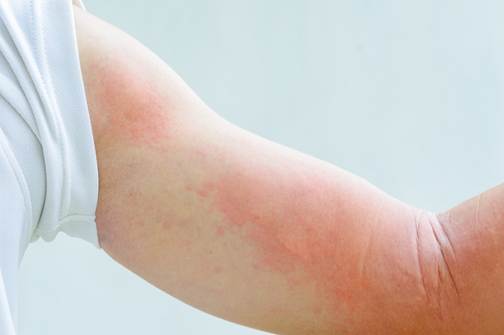
(Insect bites and allergies: Reference – Google photos)
Common Pests Associated With Pest Allergies and Pest Health Risks
Cockroaches
Cockroaches are among the most common pests associated with indoor allergens. Their droppings, saliva, and body fragments may contribute to allergy-related irritation, particularly in enclosed indoor environments.
Cockroaches are commonly found in kitchen, food storage areas, commercial food facilities, drains, and warm and humid spaces.
Children and individuals with respiratory sensitivities may be more vulnerable to cockroach-related allergens.
Rodents
Rodents such as rats and mice can create significant pest health risks through contamination and allergen exposure. Rodent urine, droppings, nesting materials, and fur particles may affect indoor cleanliness and air quality.
Rodents often hide in roof spaces, wall cavities, and storage rooms. In addition to contamination risks, rodents can damage insulation, wiring, packaging, and stored goods. Their activity may also increase unpleasant odours and indoor sanitation concerns.
Preventative pest measures such as sealing entry points, proper waste management, and regular inspections are essential for reducing rodent-related risks.
Fleas and Dust-Related Pest Irritants
Fleas are another common source of irritation in homes and pet-friendly environments. Flea bites may trigger skin irritation and allergic reactions in some individuals and animals.
Pet bedding, carpets, upholstered furniture, and humid indoor environments can allow flea populations to spread quickly if not properly controlled.
Combined with dust accumulation and poor sanitation, flea infestations may worsen indoor discomfort and hygiene concerns.
Bed Bugs
Bed bugs are increasingly becoming a concern for accommodation providers, hotels, and residential properties. While bed bugs are not generally associated with disease transmission, their bites may cause skin irritation, allergic reactions, and sleep disruption.
Early detection is critical because bed bugs can spread rapidly through mattresses, furniture, luggage, shared accommodation spaces.
For hotels and accommodation providers, preventative pest measures help protect guest comfort, hygiene standards, and business reputation.
Birds and Bird Droppings
Bird activity around commercial buildings, rooftops, warehouses, and signage areas can also create sanitation and health concerns.
Accumulated bird droppings and nesting materials may lead to unpleasant odours, surface contamination, blocked drainage systems, and indoor quality concerns near ventilation systems.
Therefore bird management strategies are important for maintaining cleaner and safer environments.
Signs Pest Allergens May Be Affecting Indoor Environments
In some situations, pest activity may go unnoticed while allergens continue circulating indoors. Certain environmental signs may indicate hidden pest-related hygiene concerns.
Possible signs include:
Sneezing or irritation indoors
Itchy eyes
Skin irritation
Unpleasant odours
Increased respiratory discomfort
Scratching sounds inside walls or ceilings
Visible droppings or nesting debris
Increased symptoms in specific rooms or areas
Although these symptoms may have multiple causes, persistent pest activity can contribute to indoor environmental discomfort if left untreated.
High-Risk Environments for Pest Health Risks
Certain environments are more vulnerable to pest infestations and allergen accumulation due to food availability, moisture, waste generation, or high human activity.
At homes, there are risky areas such as kitchens, bathrooms, roof spaces, basements, storage rooms, and laundry spaces. These spaces have less movements, food residue, and warm shelter which are appealing to the pests.
Even clean homes may experience pest activity if structural gaps, moisture issues, or seasonal pest migration are present.
Why Preventative Pest Measures Matter
Many infestations become more difficult and expensive to control once pest populations have fully established themselves. Preventative pest measures help reduce long-term risks by identifying problems early before they spread throughout a property.
Preventative pest management may include routine inspection, monitoring programs, and target treatments that include sealing entry points, moisture control and preventative strategies.
Rather than waiting for visible infestations, preventative pest measures focus on reducing the conditions that attract pests in the first place.
Practical Tips to Reduce Pest Allergies and Pest Health Risks
Maintaining cleaner indoor environments can help reduce the likelihood of pest activity and allergen accumulation.
Store Food Properly – Using sealed containers and avoid leaving exposed food or crumbs in kitchen and storage areas.
Reduce Moisture – Fixing leaks, improving ventilation, and reducing standing water to discourage pests attracted to humid conditions.
Clean Hidden Areas – Inspecting and cleaning behind appliances, storage shelves, and less visible areas where pests may hide.
Seal Entry Points – Closing cracks, gaps, vents, and openings that may allow pests to enter buildings.
Schedule Regular Pest Inspections – Planning routine inspections and detecting hidden pest activity
When Professional Pest Management May Be Necessary
If pest activity continues despite cleaning and prevention efforts, professional pest management may help identify hidden infestation sources and ongoing risk factors.
Professional inspections can assist with:
Identifying pest entry points
Detecting hidden infestations
Monitoring recurring activity
Supporting sanitation strategies
Reducing long-term pest health risks
For businesses, ongoing pest management programs may also support compliance, operational hygiene, and customer-facing standards.
Pest Infestations can affect more than just cleanliness and property conditions.
Hidden allergens from cockroaches, rodents, fleas, birds, and other pests may contribute to indoor discomfort and environmental hygiene concerns in both homes and businesses.
Understanding pest allergies and pest health risks highlights the importance of early action and preventative pest measures. By addressing pest activity proactively, property owners can help maintain cleaner, healthier, and more comfortable indoor spaces throughout the year.
Whether in residential homes, commercial facilities, healthcare environments, or hospitality settings, proactive pest management remains an important part of long-term hygiene and environmental care.
We acknowledge the Traditional Custodians of Country throughout Australia and their connections to land, sea, and community.
We pay our respect to their Elders past and present and extend that respect to all Aboriginal and Torres Strait Islander peoples today.