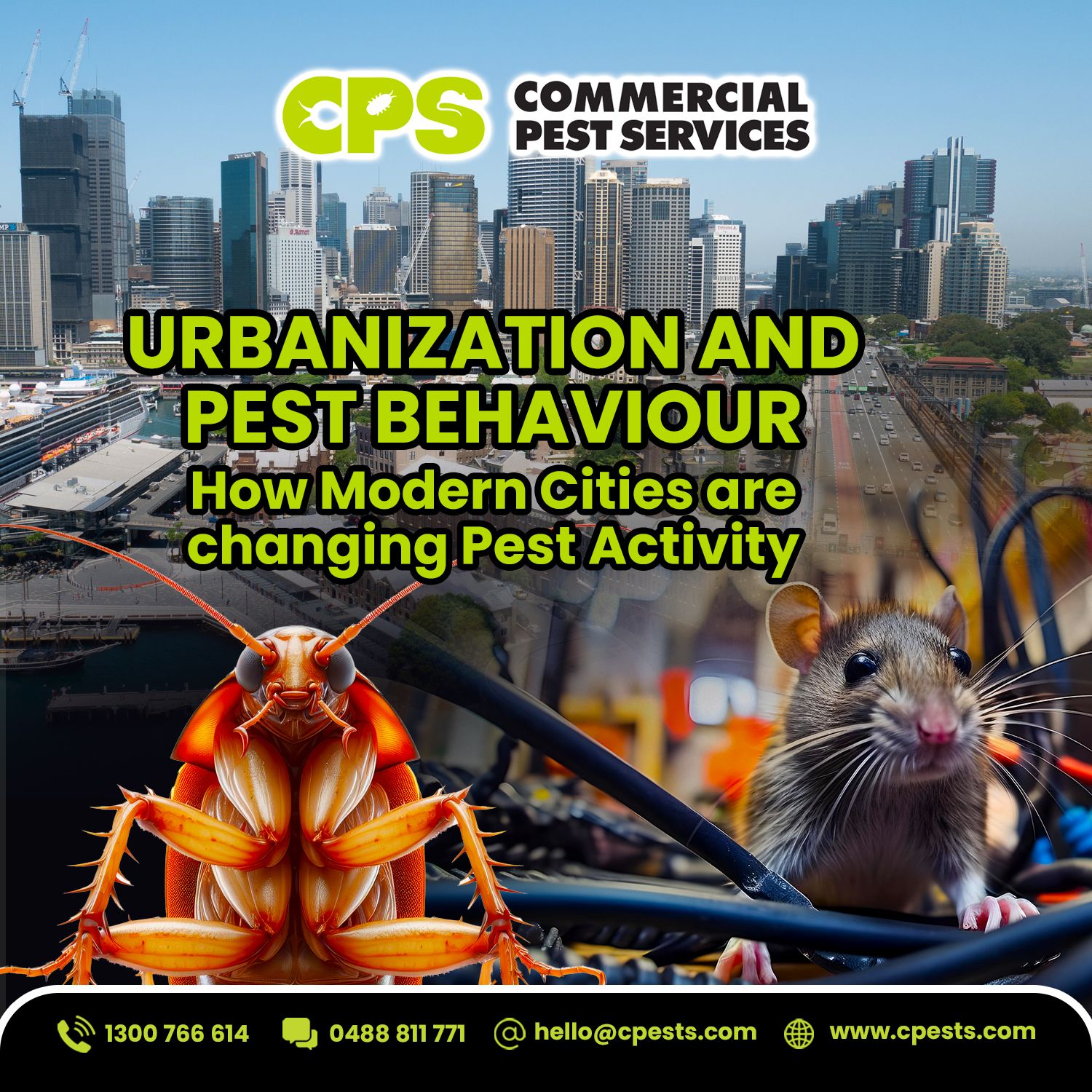
Modern urbanization has transformed the way people live, work, and interact with their environment. Across Australia, growing cities continue to deliver improved infrastructure, stronger connectivity, better healthcare access, and more convenient lifestyles.
As populations increase and cities expand, modern urban environments now include: high-density housing, commercial developments, transport infrastructure, food and hospitality hubs, and large-scale construction projects
While urbanization has enhanced living standards and economic growth, it has also unintentionally changed the behaviour of pests in modern cities.
As natural habitats are replaced by buildings and infrastructure, many pests are adapting to urban environments and learning to survive closer to human activity than ever before.
How Urbanisation Changes Pest Behaviour
Urbanisation significantly changes the surrounding ecosystem. Construction, population growth, and dense infrastructure development reduce natural habitats and reshape how pests find food, shelter, and water.
Modern cities unintentionally provide ideal conditions for many pest species because they offer:
- Constant Food Sources
- Warmth and Shelter
- Moisture Access
- Underground Movement Pathways
- Reduced Exposure to Predators
Commercial areas, apartment complexes, food precincts, drainage systems, and waste storage zones all create environments where pests can thrive year-round.
Construction activity also plays a major role. As land is cleared and habitats are disturbed, pests are often displaced into nearby residential and commercial properties in search of survival opportunities.
Urban environments do not eliminate pests. In many cases, they encourage pests to adapt more effectively to human environments.
Common Pests That Have Adapted to Urban Areas
Rodents are among the most adaptable urban pests in Australia. Dense infrastructure, underground drainage systems, food waste, and commercial activity provide ideal conditions for rats and mice to survive in cities. Rodents commonly shelter in: ceiling voids, storage areas, wall cavities, and underground utility systems. In high-density urban environments, rodents can move between buildings with minimal visibility, making prevention and monitoring increasingly important.
Cockroaches thrive in warm, humid, and food-rich environments commonly found in modern cities. Urban infrastructure such as kitchens, drains, apartment buildings, hospitality venues, and waste storage areas allows cockroach populations to remain active throughout the year. Because cockroaches are strongly associated with poor sanitation and contamination risks, they remain one of the most concerning pests in residential and commercial environments.
Ants adapt well to urban environments due to the abundance of food residue, moisture, and structural entry points. Modern commercial buildings, apartments, and landscaped urban spaces often create ongoing opportunities for ant activity, particularly during warmer seasons.
Birds have also adapted successfully to urban environments. Cities provide rooftops for nesting, food waste from public spaces, outdoor dining environments, and transport hubs and commercial structures. While birds are part of the ecosystem, excessive bird activity in urban environments may contribute to contamination risks, blocked drainage systems, slip hazards from droppings and public hygiene concerns. Bird droppings and feathers may also carry bacteria and fungal spores that affect environmental hygiene standards.
Termites are still a threat, meaning urban development does not remove termite risks. In fact, construction and landscaping changes may increase termite pressure in some environments. Modern homes and commercial properties remain vulnerable because termites are attracted to timber structures, moisture-rich environments, and soil disturbances caused by construction. In Australia’s climate, termite management remains a critical part of long-term property protection.
Mosquitoes adapt quickly to urban environments where standing water becomes available through blocked drains, construction zones, poorly maintained outdoor areas, and water-holding containers. As urban populations grow denser, mosquito activity may expose more people to mosquito-borne health risks.
The Health Risks Associated With Urban Pests
Urban pests are more than an operational nuisance. Many are also associated with public health and environmental hygiene concerns.
Mosquitoes and Disease Risks
Mosquitoes are known carriers of diseases such as:
- dengue fever
- malaria
- Ross River virus
Standing water and dense urban populations increase opportunities for mosquito breeding and human exposure.
Rodents and Contamination Risks
Rodents may spread bacteria and contaminants through droppings, urine, and nesting materials.
Rodent-related health risks may include:
- hantavirus
- leptospirosis
- salmonella contamination
This becomes especially concerning in food facilities, warehouses, healthcare environments, and densely populated residential areas.
Cockroaches and Hygiene Concerns
Cockroaches may carry bacteria and allergens that contaminate food preparation surfaces and shared environments.
Their presence is often linked with poor sanitation conditions and increased environmental hygiene concerns.
Bird Activity and Public Health
Bird droppings and nesting areas may contribute to:
- bacterial contamination
- fungal spores
- unpleasant odours
- public hygiene issues in commercial environments
This is particularly important in hospitality, aviation, warehouses, and public gathering spaces.
Urbanisation Has Also Increased Hygiene Awareness
As cities become more connected and information becomes more accessible, public awareness around hygiene and infectious disease prevention has increased significantly.
Modern urban living has encouraged stronger focus on:
- handwashing and personal hygiene
- sanitation and disinfection
- vaccination awareness
- waste management
- food safety standards
- pest prevention measures
Both businesses and residential communities are now more aware of how environmental hygiene affects public health and operational safety.
Reducing pest activity also helps reduce unnecessary contact between humans and pest-carrying animals, lowering contamination risks and supporting safer living environments.
This is especially important in dense urban environments where people, businesses, and shared infrastructure operate closely together.
Why Proactive Measures Matter in Modern Cities
Urban pest pressure is ongoing because cities continuously provide food, shelter, and survival opportunities for pests.
This is why proactive measures are critical.
Effective prevention strategies may include:
- proper waste management
- regular sanitation programs
- drainage and moisture control
- environmental hygiene monitoring
- proactive pest inspections
- professional pest management services
Preventive approaches are often more effective and less disruptive than responding after infestations become severe.
For businesses, proactive pest management also supports:
- operational continuity
- customer confidence
- hygiene standards
- long-term reputation protection
The Role of Professional Pest Management
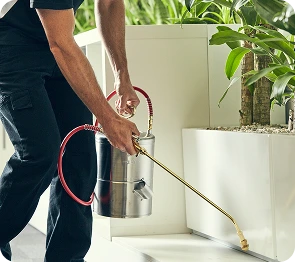
Professional pest management helps residential and commercial properties identify hidden risks early and maintain safer, more hygienic environments.
At CPS, pest management approaches are supported by environmentally responsible practices aligned with International Organization for Standardization ISO 14001 environmental management principles, alongside structured hygiene-focused management approaches guided by HACCP principles where relevant.
A proactive approach helps reduce long-term pest pressure while supporting cleaner and more resilient urban environments.
Conclusion
Urbanization continues to improve modern lifestyles, infrastructure, and connectivity across Australia. However, growing cities also create new environmental conditions that allow many pests to adapt and thrive.
As urban environments become denser and more connected, proactive hygiene, sanitation, waste management, and pest prevention become increasingly important for protecting public health and maintaining safe environments.
Modern cities require modern approaches to pest management not only to control infestations, but also to support healthier and more sustainable urban living.
Book your free assessment with CPS today !