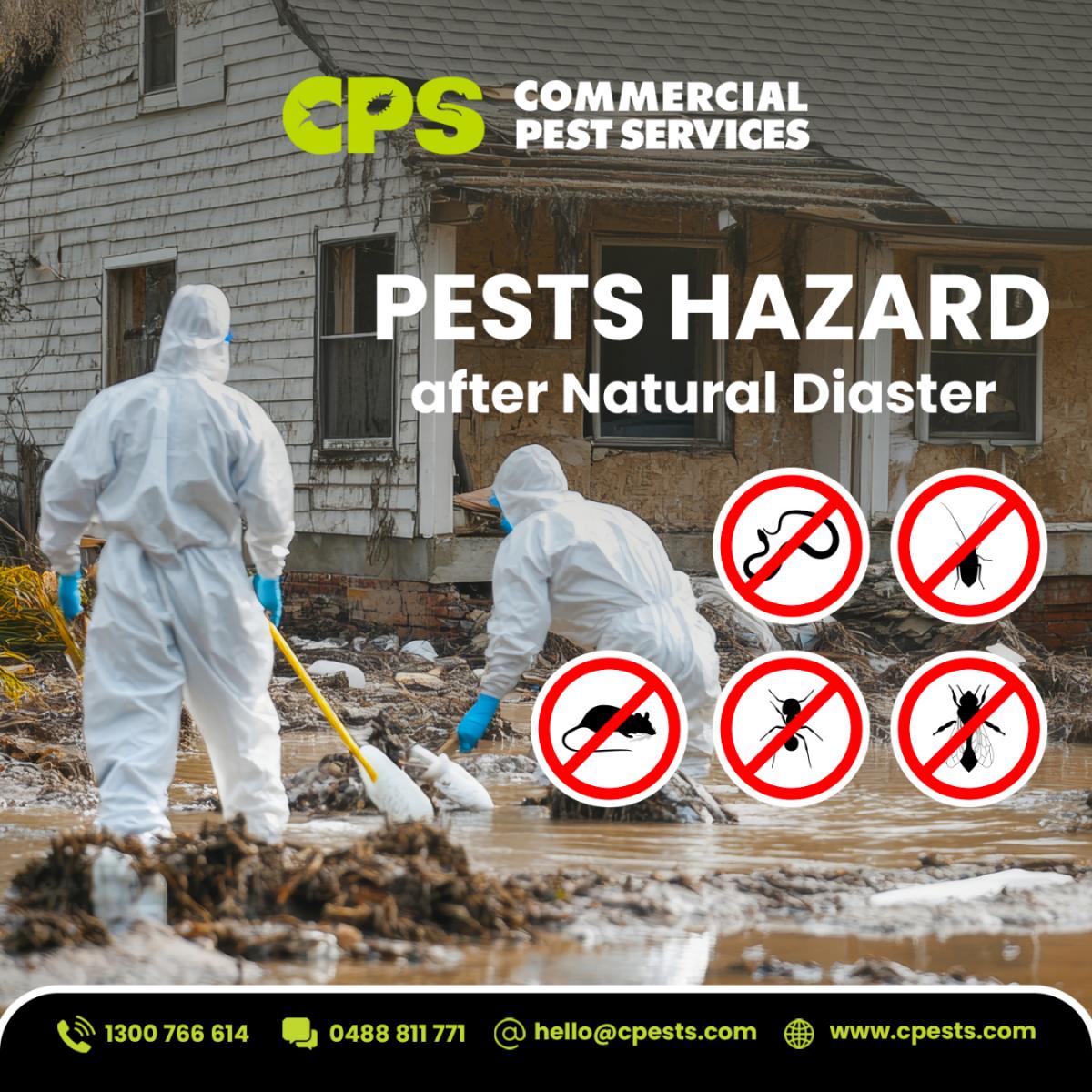
Natural disasters often leave behind more than visible structural damage. Across Australia and New Zealand, floods, storms, cyclones, bushfires, and severe rainfall events frequently trigger sudden increases in pest activity that may continue long after recovery begins.
As climate change contributes to more frequent and intense extreme weather events, post-disaster pest outbreaks are becoming a growing environmental and public health concern.
Floodwater, damaged buildings, standing moisture, and displaced wildlife create ideal conditions for pests such as mosquitoes, rodents, cockroaches, ants, termites, and spiders.
For homeowners and businesses should be aware of contamination risks, property damage, food safety concerns, health risks including respiratory issues and disease exposure, and long-term sanitation problems.
Understanding post-disaster pest risks is increasingly important for protecting both health and property across Australia and New Zealand.
Why Natural Disasters Increase Pest Activity
Natural disasters disrupt the environments where pests normally live.
Flooding may destroy underground burrows, storms may damage nesting areas, and bushfires may force wildlife and insects closer to urban environments. At the same time, damaged buildings and excess moisture create ideal conditions for pests seeking shelter, warmth, food sources and breeding areas.
Post-diaster conditions create ideal living conditions for pests due to presence of standing water, blocked gutters, damaged ceilings and roofs, damp timer and infrastructure, improper waste areas, higher moisture and poor ventilation.
Natural Diasters and recent climate changes and environmental stress oftern play a vital role in changing pest activity.
Why Australia and New Zealand Face Higher Post-Disaster Pest Risks
Australia’s Climate and Pest Pressure
Australia experiences some of the world’s most extreme environmental conditions, including floods, bushfires, cyclone, droughts, heatwaves, and severe storms. Such weather conditions pose risks and disturb ecosystems and force pests to relocate into residentials and commercial areas.
Heavy rainfall followed by warm temperatures creates ideal breeding conditions for many pests, particularly mosquitoes, cockroaches, ants and rodents. Climate change is also extending warmer seasons and increasing rainfall extremes, allowing pests to ermain active for longer periods throughout the year.
New Zealand’s Vulnerability to Storms and Flooding
New Zealand faces different environmental challenges, including flooding, cyclones, landslides, earthquakes, and severe rainfall events.
Its cool-temperate climate and island geography make ecosystems vulnerable to invasive pests and diseases following major weather events.
Flooding and storm damage may disrupt natural habitats while increasing moisture levels around homes and buildings, creating favourable conditions for indoor pest infestations.
Across both countries, changing environmental conditions are increasing the likelihood of post-disaster pest outbreaks.
Mosquitoes After Floods and Heavy Rain
Mosquitoes are among the most common pests to surge after floods and severe rainfall.
Standing water left behind in gutters, rainwater tanks, containers, blocked drains, flooded gardens, and damaged infrastructure creates ideal mosquito breeding sites.
Warm and humid conditions may allow mosquito populations to increase rapidly after major weather events. Beyond nuisance biting, mosquitoes may also raise concerns around mosquito-borne diseases and public health risks.
Property owners should monitor outdoor areas carefully after storms and floods, particularly where water may collect unnoticed.
Rodents and Health Risks After Flooding
Flooding frequently forces rats and mice out of underground burrows and sewer systems.
Rodents often seek shelter inside homes, roof spaces, garages, sheds, storage rooms, and commercial facilities. Rodent infestations may increase contamination risks through their urine, droppings, food contamination, and bacteria exposure.
One significant post-flood health concern is leptospirosis, a bacterial disease that may spread through water or soil contaminated by infected rodent urine.
Rodent activity may also increase after bushfires and storms when natural food sources and habitats are destroyed. Explore what we have written about rodents and their behaviours of invading Australian properties.
[Internal Link Opportunity: Why Rodents Invade Australian Properties]
Cockroaches, Ants and Indoor Pest Infestations
Flooding and water damage often drive indoor insects into homes and businesses.
Cockroaches, ants, and flies are highly attracted to damp environments, food residue, hidden moisture, and warm indoor spaces. They commonly establish in kitchens, wall cavities, storage areas, damaged cabinetry. Blocked drains and water-damaged structures may continue supporting infestations even after visible floodwater has receded.
Because many insects hide inside inaccessible areas, infestations may continue developing unnoticed without proper moisture management and inspection.
Spiders and Snakes Seeking Shelter Indoors
Floods and severe storms often displace spiders and snakes from their natural habitats.
As rising water destroys nesting areas and shelter zones, these animals may move into sheds, garages, roof voids, and debris piles. That’s when property owners should be cautious, especially when cleaning debris, entering flooded rooms, moving stored materials, and opening sealed spaces.
Dark and undisturbed areas may become temporary shelter locations for these pests after major weather events.
Termite Risks After Water Damage
Floods and storms may significantly increase termite risks around residential and commercial properties.
Moisture-damaged timber and damp soil create highly attractive conditions for subterranean termites and other wood-destroying pests.
High-risk areas include:
Excess moisture also extends the period in which termites remain active, increasing the risk of hidden structural damage.
Because termite activity often develops out of sight, damage may continue progressing long after disaster recovery appears complete.
Mould, Moisture and Secondary Pest Problems
Post-disaster moisture problems may also contribute to mould growth and secondary pest infestations.
Water-damaged insulation, plasterboard, food storage areas, and packaging materials may attract cockroaches, rodents,stored-food pests, and mould-related pests.
Beyond pest activity itself, mould and moisture problems may also affect indoor air quality, respiratory health, sanitation standards, and food safety.
Controlling moisture is therefore one of the most important steps in long-term post-disaster pest prevention.
What Homeowners Should Do After a Natural Disaster
Before Re-Entering the Property
Before cleanup begins:
- Allow the property to dry safely
- Wear gloves and masks when handling contaminated materials
- Avoid directly disturbing droppings or nests
- Inspect for live pests or wildlife hiding in debris
Damaged structures should also be checked carefully before entering confined spaces.
Immediate Post-Flood Pest Prevention Steps
As soon as conditions are safe:
- Clear blocked gutters and drains
- Repair damaged screens and seals
- Dispose of contaminated food products
- Seal waste in secure containers
- Inspect for structural gaps and entry points
Early prevention can help stop small pest problems from becoming larger infestations.
Long-Term Pest Protection After Disasters
Even after visible recovery, hidden pest risks may remain for weeks or months.
Long-term protection may include moisture control and ventilation, drainage maintenance, structural inspections, termite monitoring, sanitation management, and professional pest inspections.
Professional inspections are especially important if there are signs of:
Commercial facilities and food-handling environments may also require documented pest inspections and treatment records to support compliance and hygiene audits after disasters.
Why Preventive Pest Management Matters After Natural Disasters
Post-disaster pest activity often develops quickly because environmental disruption creates ideal breeding and shelter conditions.
Preventive pest management helps:
- reduce contamination risks
- protect property structures
- prevent long-term infestations
- reduce future treatment costs
Modern pest management increasingly focuses on early detection, moisture control, targeted treatment strategies and ongoing monitoring.
This preventive approach is particularly important in Australia and New Zealand where changing climate conditions continue influencing pest behaviour and seasonal activity.
Natural disasters create ideal conditions for pest activity across Australia and New Zealand.
Floods, storms, cyclones, and bushfires may displace pests while leaving behind moisture-rich environments that support infestations long after the immediate disaster ends.
Mosquitoes, rodents, cockroaches, termites, and other pests are more than a nuisance after disasters. They may contribute to:
As climate change continues increasing the frequency and intensity of extreme weather events, proactive pest prevention is becoming an increasingly important part of disaster recovery and property protection.
Early inspections, moisture control, sanitation management, and preventive pest monitoring can help homeowners and businesses reduce long-term risks while supporting safer and healthier recovery environments.
Book your free pests assessment with CPS today !