Send us a message and one of our specialists pest managers will be in touch
Proactive vs Reactive Pest Control: Which Is More Effective?
May 21, 2026
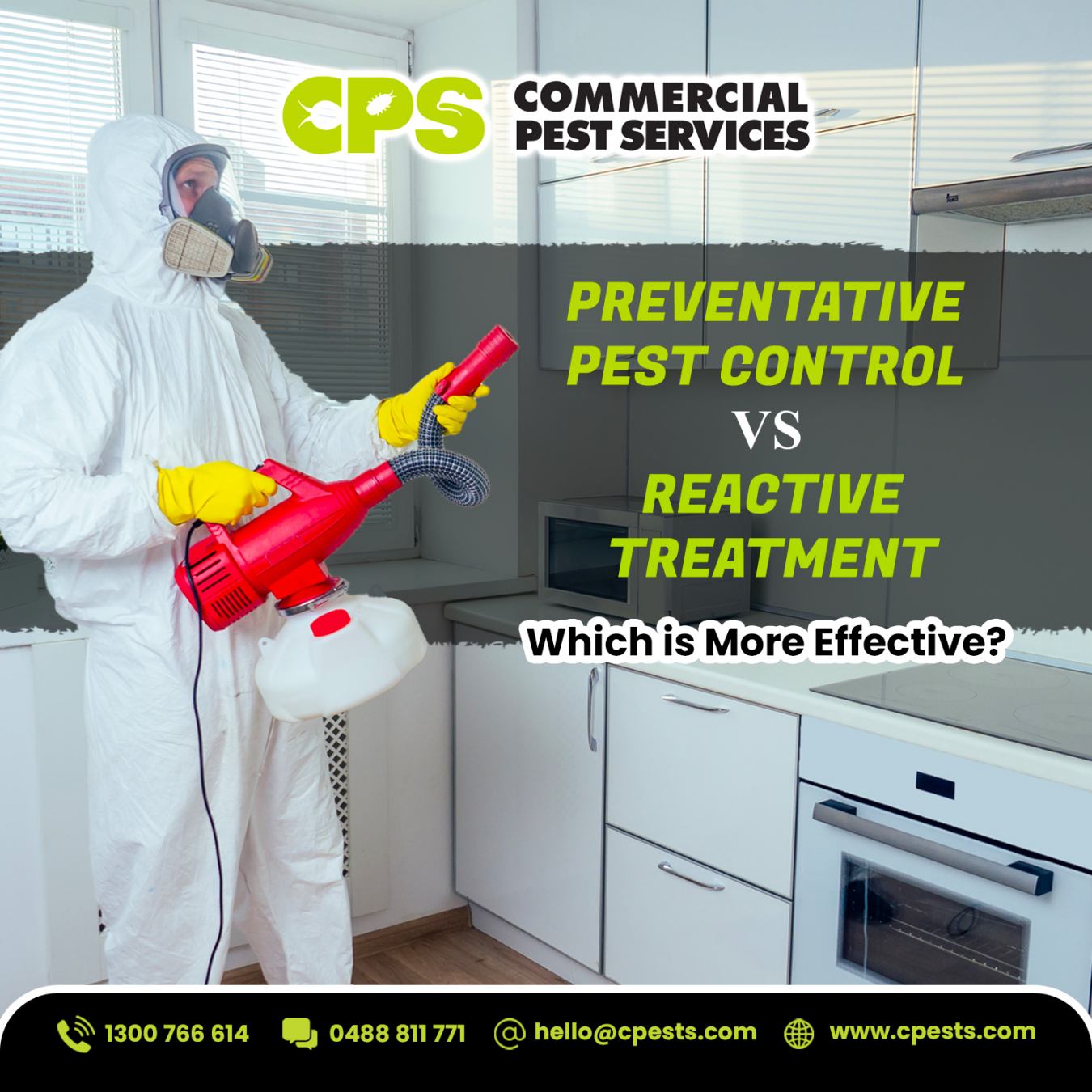
Pest control is generally approached in two ways: proactive pest control and reactive treatment. While both methods aim to manage pest activity, they differ significantly in timing, cost, and long-term effectiveness. For many properties and businesses, especially in high-risk environments, the question is no longer whether pest control is needed but when and how it should be applied. Understanding the difference between these […]
Pest control is generally approached in two ways: proactive pest control and reactive treatment. While both methods aim to manage pest activity, they differ significantly in timing, cost, and long-term effectiveness.
For many properties and businesses, especially in high-risk environments, the question is no longer whether pest control is needed but when and how it should be applied. Understanding the difference between these two approaches is essential for making informed, cost-effective decisions.
What Is Proactive Pest Control?
Proactive pest control is a preventative approach that focuses on reducing the likelihood of pest infestations before they occur. Instead of waiting for visible pest activity, this method aims to identify risks early and manage them continuously.
It is built around the idea that pest problems are easier and more cost-effective to prevent than to fix.
Preventative pest control typically includes:
Scheduled inspections to assess risk areas and identify risk factors
Ongoing monitoring of pest activity
Early detection of environmental vulnerabilities, such as small cracks
Targeted preventive treatments where required
Using traps for early detection and control
Regular follow-ups to maintain control over time
It also means limiting food sources and sealing entry points before pests settle in.
By implementing a comprehensive plan that integrates these steps, preventative care acts as a shield, protecting the structural integrity of your home and ensuring long-term pest management success.
The core principle is simple: prevent infestations rather than responding after they escalate.
How Proactive Pest Control Works
A proactive approach follows a structured and consistent, preventative process designed to minimise pest risks over the long term. Many pest control companies, including Competitive Pest Services (CPS), use integrated pest management (IPM) principles. IPM relies on expert technicians who deliver effective prevention by combining various strategies such as inspection, monitoring, exclusion, and targeted treatments for long-term results.
It generally involves:
Risk identification – Locating areas where pests are likely to enter, nest, or feed
Routine inspections – Conducting regular site assessments to detect early signs of activity
Monitoring systems – Using tools and scheduled checks to track pest presence over time
Targeted interventions – Applying pest control measures only when and where risks are identified
Ongoing review – Adjusting strategies based on seasonal changes or emerging risks
In some cases, IPM can include biological control that supports natural predators to help reduce pest populations.
Integrated pest management (IPM) combines regular inspection, ongoing monitoring, physical exclusion, and targeted treatment into a continuous system designed to prevent the conditions that allow infestations to take hold.
This system ensures that pest activity is managed continuously rather than reactively, supporting long term prevention while limiting unnecessary pesticide use, reducing harm to non-target species, and lowering overall environmental impact.
Benefits of Proactive Pest Control
Proactive pest control offers several long-term advantages, particularly for commercial and high-risk environments.
Key benefits for customers include:
Reduced the likelihood of large-scale infestations
Lower long-term pest control costs
Regularly scheduled maintenance is generally cheaper than emergency treatments for full-blown infestations
Minimal disruption to daily operations
Early identification of potential risks
Improved consistency in pest management outcomes
Knowing your home is professionally monitored year-round provides peace of mind
IPM-based preventative pest control reduces reliance on chemical pesticides by using biological and cultural control methods, supporting sustainable practices and a healthy environment
Preventative care also helps maintain a pest free environment in workplaces or homes.
Because issues are addressed early, businesses can avoid the operational and financial strain associated with full infestations.
What Is Reactive Pest Control?
Reactive pest control refers to treatment that is carried out after visible pests have already been detected, specifically to address an existing infestation. This approach is typically triggered by signs of infestation, such as sightings, damage, or complaints, and often involves one-time treatment or a series of effective treatments to quickly remove pests.
In most cases, reactive control is used when:
Pest activity becomes noticeable
Structural or stored goods are already affected
Immediate intervention is required
Reactive approaches may require the use of pesticides and chemicals to remove pests rapidly, especially when urgent action is needed. Pests are not just a nuisance; they can also affect property and your family’s health. These treatments often rely on stronger chemicals and may necessitate more frequent, expensive visits compared to consistent, proactive maintenance.
Common examples include treating a rodent infestation after droppings are found or addressing cockroaches and other pests after repeated sightings in a facility.
Limitations of Reactive Pest Control
While reactive treatment can resolve immediate pest issues, it has several limitations when compared to preventative strategies.
Key drawbacks include:
Infestations are already established and harder to eliminate
Higher treatment costs due to escalation
Increased risk of property or stock damage
Greater operational disruption during treatment
Possibility of recurring issues if root causes remain unaddressed
Reactive pest control often fails to prevent recurring infestations because it only deals with the visible pest problem and does not address the underlying conditions that attract pests. It may remove active pests, but it may not stop pests from returning, making it less effective for long-term pest management.
Pest Infestation Risks
Pest infestations can lead to serious consequences for health, property, and the environment in homes, businesses, and indoor spaces. Common pests such as rodents, termites, and cockroaches can cause:
Extensive damage to buildings, electrical wiring, stored goods, and wooden structures, including costly structural damage
Contamination of food and water supplies, especially where unsecured food debris increases the risk
Spread of diseases and allergens, impacting human health
Emotional distress and disruption to daily life or business operations
Financial losses due to repairs, lost stock, or business downtime
These impacts are why regular prevention is used to protect against pests inside buildings, not just visible outbreaks.
Proactive vs Reactive Pest Control: Key Differences
Understanding the difference between these two approaches helps clarify why prevention is generally more effective in the long term, especially as seasonal conditions affect different pests in different ways.
Factor
Proactive Pest Control
Reactive Treatment
Timing
Before infestations occur
After pest activity is detected
Cost
Lower long-term cost
Higher due to escalation
Risk level
Controlled and managed
Higher and unpredictable
Operational Impact
Minimal disruption
Often disruptive
Approach
Proactive and ongoing
Receive and short-term
When many pests become more active seasonally, delaying prevention can increase pressure quickly.
This comparison highlights a clear pattern: prevention provides greater stability and control.
When Is Reactive Treatment Still Necessary?
Despite its limitations, reactive pest control still has an important role.
It is necessary in situations such as:
Sudden or severe infestations, including rodent control for rats and mice, where escalating activity may require professional pest control
Emergency pest sightings requiring immediate action, such as bed bugs, ants, wasp infestation, and other bugs
Cases where pests pose an immediate operational or safety concern
Reactive pest control services can be scaled to any property size, from small homes to large commercial spaces, ensuring effective intervention regardless of the scale of the infestation.
In these scenarios, fast response is critical to contain the issue. However, relying solely on reactive treatment can leave underlying risks unresolved.
Choosing the Right Approach
The most effective pest control strategy depends on the nature of the property and its level of risk.
Key considerations include:
Type of environment (e.g., commercial, industrial, storage, residential for homeowners)
History of pest activity, as seasonal risks can vary by setting and may shape timing for termite treatments
Sensitivity of stored goods, operations, or presence of pets
Compliance or regulatory requirements
The need for a thorough inspection and regular inspection to identify pest entry points, vulnerabilities, and how pests inside may be getting through
Homeowners should consider the safety of pets when selecting pest control methods, ensuring treatments are safe for all household members. Partnering with a reputable pest control company, such as a family-owned business with expert technicians, can help ensure the right approach is chosen and that inspections are conducted thoroughly.
High-risk environments generally benefit more from preventative pest control due to the potential consequences of infestation.
In contrast, reactive treatment alone is often insufficient for maintaining long-term protection.
Professional Pest Management as a Long-Term Strategy
Effective pest control is not a one-time service; it is an ongoing management process that requires expertise from the pest control industry.
Professional pest management programmes typically combine:
Regular inspections and ongoing monitoring
Use of traps and other proactive measures
Risk-based treatment strategies
Documentation and reporting
Tailored solutions and a comprehensive plan based on site conditions that play a crucial role in keeping facilities protected
Expert programmes help maintain a clean, stable environment by combining monitoring, maintenance, and prevention.
Preventive pest control is best implemented as part of a structured plan that integrates inspection, exclusion, treatment, and monitoring. Expert technicians from the pest control industry are essential to implement these strategies effectively for our customers.
This structured approach ensures that pest risks are consistently managed rather than periodically addressed. For many businesses, partnering with a professional provider supports long-term operational stability and reduces the likelihood of recurring pest issues, while also reducing reliance on chemical pesticides.
When comparing preventative pest control vs reactive treatment, the difference is clear.
Reactive treatment responds to problems after they occur, often at a higher cost and with greater disruption. Proactive pest control, on the other hand, focuses on reducing risk before infestations develop by implementing preventative measures and ongoing monitoring.
For most environments, particularly those where hygiene, storage, or operational continuity is critical, a preventative approach offers greater reliability, control, and long-term value.
Ultimately, the most effective pest management strategy is not about reacting to problems, but preventing them from occurring in the first place. problems, but preventing them from occurring in the first place.
Contact us today to discuss your needs and implement a tailored pest management plan.
We acknowledge the Traditional Custodians of Country throughout Australia and their connections to land, sea, and community.
We pay our respect to their Elders past and present and extend that respect to all Aboriginal and Torres Strait Islander peoples today.