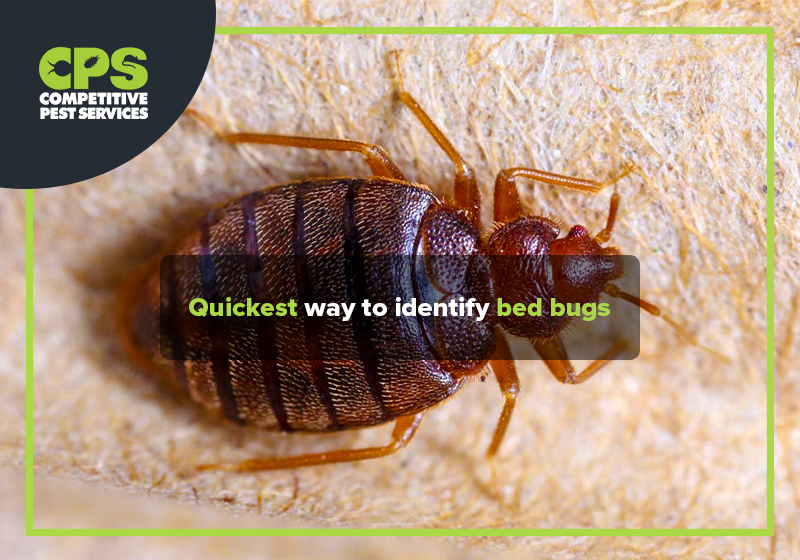
Bed bugs are the common name for Cimex lectularius, a flat, louse-like insect that lives off the blood of other animals. Because they’re so dark and tiny, they can be hard to spot, especially when hiding in hard to see or reach places. While they don’t transmit any diseases, they can leave nasty, itchy bites that are highly uncomfortable, and leave you essentially boiling your belongings in hot water.
All hotels are at risk to catch a case of bed bugs, so it can pay to grab your flashlight and inspect your room as soon as you get there.
What should you look for Bed Bugs?
Bed bugs look like small, crawly insects roughly the size of apple seeds, but sometimes you can have bed bugs without actually seeing them. Adolescent bedbugs shed their outer skins five or six times. Make sure to look for what might be discarded insect skin as well. Another indicator is small blood smears. This could portray bed bugs messy eating. You can also look for tiny black smudges that represent bed bug excretion; or tiny white eggs, generally about 1mm in length.
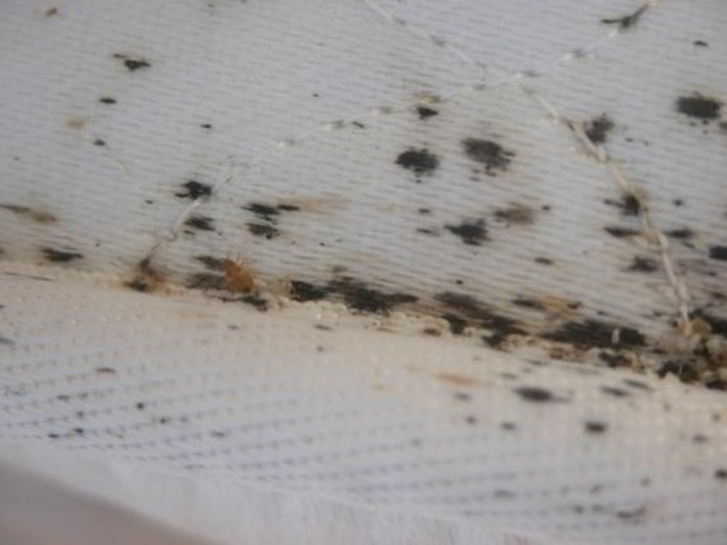
How to Identify Bed Bugs in your Hotel Room – Competitive Pest Control
Where should you look for Bed Bugs?
1. The mattress and bed frame:
The most obvious spot to look for bed bugs is in the mattress, but spotting them is a little more involved than just picking the mattress up and looking for dark spots. Bed bugs tend to hide in the joints of the frame and along the slats. So inspect those with a flashlight first. Then look in the crevices of the headboard, in the intricate details and design, then along the mattress seams and in the zipper. If all is clear there, pick up the mattress and look under it, which was probably the only move you’d thought of until now.
2. Sofas and throw pillows:
Yes, bed bugs can range far beyond beds. Often, you’ll find them in soft seats but NOT in the bed. Make sure to check these areas as well. Take a look around the seams, inside the coverings, and along the zippers of any decorative pillow or sofa cushion.
3. Closets and floorboards:
Bed bugs don’t even need soft, cushy spaces to find a home. They can be hiding in your closet, which can lead to that unfortunate clothes-boiling we mentioned earlier to kill them. In the closets, take a look at the seals of the doors and drawers, as well as the joints and corners of the closet. Check the spots where floor boards or floor molding meet the wall. These little corners are popular hangouts for bed bugs. Almost anywhere you might find a spider web, you might also find bed bugs.
4. Night stands:
Look at the drawer seals and corners of the nightstand. Also check inside lampshades or the spots where the lamp makes contact with the nightstand. Same goes for picture frames, alarm clocks, or any other bedside decor.
5. Luggage and luggage stands:
Take a look at the webbing on the fold-out luggage stand, especially where it wraps around the frame. And just to be safe, never, EVER put your luggage on the bed itself. Those bugs will jump right in and might never leave.
Lots of hotels don’t have bedbugs. But you can never be too sure. Save yourself the trouble of getting rid of these buggers and bookmark these steps!
Read More:
Bed Bugs Can Transmit Parasite That Causes Chagas Disease
The Evolution of Bed Bugs
How to Prevent Bed Bugs?