Ants Pest Control and Treatment

Ants Pest Control
Ants are one of the most common household pests in Australia, known for their highly organised social structures and relentless foraging habits. Worker ants travel widely in search of food, following well-defined trails and clustering around food sources. They are especially attracted to sweet and fatty substances, making kitchens, pantries, storerooms, and warehouses prime targets.
In sensitive environments like hospitals, ants have even been found feeding on septic dressings, soiled linen, and excrement. This not only makes them an unpleasant sight but also a potential health risk. Some species can sting or bite, and in certain cases, their bites may trigger allergic reactions requiring urgent medical attention.
Ants are one of the most prolific and successful groups of insects. They can nest almost anywhere, in lawns, under stones, within decaying wood, beneath buildings, and in roof voids or wall cavities. Their adaptability makes them particularly difficult to control once established.
What Do Ants Look Like?
Ants vary greatly in size and colour depending on the species, ranging from 2 mm to over 10 mm long. Most ants have slender, segmented bodies with three distinct parts: head, thorax, and abdomen. They have elbowed antennae, six legs, and strong mandibles used for carrying food, building nests, and defending their colonies.
Winged ants, often mistaken for termites, appear during the breeding season when new colonies are formed. Unlike termites, ants have narrow waists and bent antennae, which makes them easy to distinguish once you know what to look for.
Where Do Ants Live?
Ants thrive in both outdoor and indoor environments. Outdoors, they can be found in soil, gardens, lawns, tree stumps, and under rocks or paving. Indoors, they establish nests in wall cavities, roof voids, insulation, and under floors, often exploiting cracks and crevices to gain entry.
They prefer areas that provide warmth, shelter, and easy access to food and water. Once inside, ants quickly contaminate food supplies and spread through a property by forming multiple colonies. Their persistence and ability to nest almost anywhere make them one of the most troublesome pests to deal with in homes and businesses alike.
Common Types of Ants in Australia
Australia is home to hundreds of ant species, and while many are harmless, several cause serious problems in homes, businesses, and outdoor areas. These ants contaminate food, damage property, and in some cases deliver painful stings that can trigger dangerous allergic reactions.
Below are some of the most common types of ants in Australia and why they can be a nuisance.
Argentine Ant (Linepithema humile)
How they look
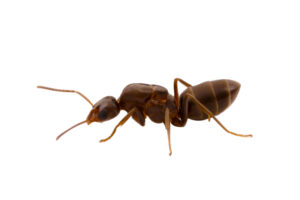
Argentine ants are small, light to dark brown ants around 2–3 mm long. Queens are slightly larger, about 4–6 mm. When crushed, they release a strong, musty odour.
Where they live
Originally from South America, Argentine ants are highly invasive and thrive in both urban and rural Australia. They form long, wide foraging trails that are active both day and night, often climbing trees, walls, and into homes.
Why they are a problem
These ants form super-colonies, displacing native species and spreading quickly indoors. They contaminate food supplies and can be difficult to control because their trails can extend over large areas. Professional treatment is often required to fully eliminate infestations.
Bulldog Ant (Myrmecia spp.)
How they look
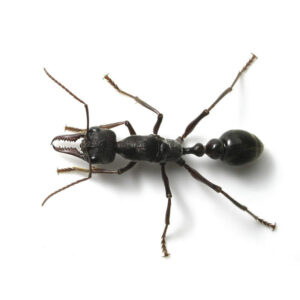
Also called bull ants, bulldog ants are among the largest and most aggressive ants in Australia. Most species are 8–10 mm long, but some grow much larger. Many have bright red or orange markings on their head or abdomen, along with large eyes and powerful jaws. Some smaller species are known as “jumper ants” because they leap aggressively toward intruders, though they should not be confused with the jack jumper ant.
Where do they live
Bull ants are found across Australia in soil, gardens, and under rocks or logs. Their nests are heavily defended. If disturbed, large numbers of ants stream out aggressively and can bite multiple times in succession.
Why they are a problem
Their stings are extremely painful — often worse than a wasp sting — and can cause severe allergic reactions requiring urgent medical care. Some bulldog ants have no worker caste; instead, queens invade another ant nest, kill the resident queen, and take over the colony. Their aggressive behaviour and painful stings make them one of the most dangerous ants in Australia.
Black House Ant (Ochetellus spp.)
How do they look
Black house ants are small, shiny, black ants measuring just 2–3 mm long. Males are winged, while females develop wings only for mating before becoming queens. Workers are sterile, tasked with gathering food, maintaining the nest, and feeding larvae.
Where they live
They nest in soil, wall cavities, and garden areas, often entering houses through cracks, windows, and under doors. Trails often lead directly to food sources in kitchens and pantries. Colonies can sometimes be detected by frass (droppings) on floors and windowsills.
Why they are a problem
While their stings are too small to hurt humans, their sheer persistence makes them a nuisance indoors. They feed mostly on sweet substances but will also eat plant material. Queens lay small oval eggs, which workers move to higher ground during wet periods. Colonies grow quickly, and infestations can spread through multiple entry points.
Carpenter Ant (Camponotus spp.)

How they look
Carpenter ants are large, ranging from 6–12 mm long. Their colour varies from orange-brown to black. They are strong-bodied with large mandibles and often form colonies with multiple queens.
Where they live
These ants prefer damp or decaying wood, but unlike termites, they do not eat timber. Instead, they excavate smooth tunnels through wood to build their nests. Indoors, they can be found in wall cavities, roof timbers, and other moisture-damaged structures. Colonies may include “satellite nests” nearby.
Why they are a problem
Carpenter ant colonies can reach up to 100,000 workers, taking years to fully mature. Workers travel long distances for food, feeding on sweets and plant material. While their bites are less painful than bull ant stings, allergic individuals should exercise caution. Over time, their tunnelling can compromise timber structures, leading to expensive damage.
Coastal Brown Ant (Phiedole megacephala)
How they look
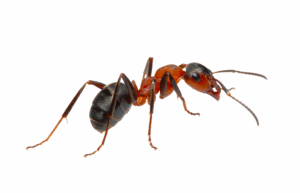
Also called big-headed ants, these small ants grow up to 2.5 mm long and are gold-brown in colour. Their name comes from the oversized heads of some worker ants.
Where they live
They nest in dry soil, creating visible dirt mounds in gardens, lawns, and along paths. Indoors, they invade through cracks and quickly establish colonies.
Why they are a problem
Coastal brown ants are fast-spreading invaders, capable of forming massive colonies in a short time. Queens can lay up to 300 eggs per month, and their life cycle from egg to adult can take as little as 21–28 days. They contaminate a wide range of foods, including sweets, fruit, meat, and greasy items. Left untreated, they quickly take over homes and gardens.
Garden Ant (Lasius spp.)

How they look
Garden ants are dark brown to black, with workers measuring 4–5 mm and queens up to 15 mm. Colonies can contain up to 40,000 workers, and queens have been known to live for decades.
Where they live
They nest in sandy soil, lawns, and around building foundations. Outdoors, they can dislodge pavers, damage turf, and disturb garden beds. Indoors, they may roam kitchens and bathrooms in search of water.
Why they are a problem
Though they do not sting, garden ants cause significant structural disruption by excavating soil and undermining paved areas. They are omnivores, feeding on protein and sugar, and their foraging indoors makes them a persistent nuisance.
Ghost Ant (Tapinoma melanocephalum)
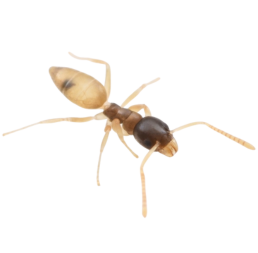
How they look
Ghost ants are tiny, measuring only 1.5–2 mm. Their pale, almost transparent legs and abdomen make them hard to see, which is why they are often mistaken for dust specks until they appear in large numbers.
Where they live
They prefer warm, humid environments and are often found nesting indoors in wall cavities, behind skirting boards, and inside pot plants. Outdoors, they nest in soil, mulch, or under stones.
Why they are a problem
Ghost ants are strongly attracted to sweet foods, especially sugary liquids, which makes kitchens and bathrooms prime targets. They often invade in large numbers, contaminating food and surfaces. While they do not sting or bite, their persistence makes them a frustrating household pest.
Jack Jumper Ant (Myrmecia pilosula)

How they look
Jack jumper ants are medium to large ants, 10–15 mm long, with large eyes and strong mandibles. They move in jerky motions and are known for aggressively jumping toward threats.
Where they live
They are most common in Tasmania but also found in Victoria, NSW, ACT, and South Australia. They nest underground in bushland and gardens, making nests difficult to locate.
Why they are a problem
Jack jumper ants deliver one of the most painful stings of any Australian insect. Like bees and wasps, they sting rather than bite, gripping with their jaws and bending their abdomen to inject venom. Their stings can cause swelling, severe allergic reactions, and in rare cases, fatalities. They are a serious threat to humans and small pets.
Sugar Ant (Camponotus consobrinus)
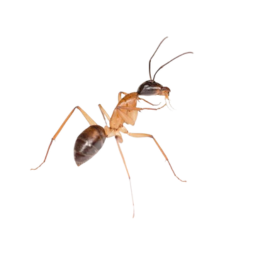
How they look
Sugar ants vary in size from 5 to 15 mm. The most recognisable species, the banded sugar ant, has a black head and abdomen with an orange-brown band across the middle. Larger soldier ants and smaller worker ants exist within the same colony.
Where they live
They are widespread across Australia and nest in soil, under rocks, logs, and within gardens. Some species establish themselves in wall cavities and roof spaces, particularly in urban areas.
Why they are a problem
Sugar ants are strongly attracted to sweet foods, including honey, nectar, and sugary household items. While generally harmless, soldiers can deliver a painful bite using formic acid as a defence. Outdoors, they also encourage aphid populations in gardens by farming them for honeydew. Indoors, they can be a persistent nuisance in kitchens and pantries.
How to Identify Ant Infestations
Trails and Foraging Activity
One of the clearest signs of an ant infestation is the appearance of long, well-defined trails of ants leading to food sources. Worker ants travel in lines between their nests and food, often clustering around sweet or fatty substances in kitchens, pantries, and storerooms. If you regularly spot ants following the same paths indoors, it indicates a colony nearby.
Nests and Dirt Mounds
Outdoors, ants often build nests in soil, lawns, and gardens, leaving small dirt mounds as evidence of excavation. Indoors, nests may be hidden in wall cavities, roof voids, or under floors, making them harder to detect. Some species, like carpenter ants, tunnel into damp or damaged timber, leaving smooth galleries within the wood.
Droppings and Frass
While ant droppings are less noticeable than rodent droppings, some species — such as black house ants — leave behind frass, which looks like fine black debris on windowsills, floors, or near nesting sites. This mess is often one of the first visual signs of an indoor infestation.
Food Contamination
Ants are attracted to a wide range of foods, from sugary items to greasy leftovers. Infestations are often identified by food packaging that has been breached, food surfaces crawling with ants, or visible clusters around spilt liquids and crumbs. In commercial spaces like restaurants or warehouses, this contamination can quickly become a serious hygiene issue.
Stings and Bites
In some cases, ant infestations are identified through direct human contact. Species such as bulldog ants and jack jumper ants deliver painful stings, while others bite when disturbed. Reactions range from minor irritation to severe allergic responses that may require urgent medical attention.
Property Damage
Certain ants, such as carpenter ants, cause structural damage by hollowing out timber to form nests. Garden ants and coastal brown ants disturb soil, lawns, and paving, sometimes displacing bricks and ruining turf. These signs indicate not only an active infestation but also potential long-term property damage.
Visible Activity
Daytime sightings of ants indoors — especially near kitchens, bathrooms, or storage areas — suggest an infestation is well established. Outdoors, trails up walls, trees, and garden beds are a strong indicator that ants are nesting nearby and may soon enter the property.
Signs of Heavy Infestation
In severe infestations, ants will be seen in large numbers across multiple rooms, not just kitchens or entry points. Trails will become constant and widespread, and nests may appear in gardens, lawns, or even inside wall cavities and roof spaces.
At this stage, food contamination, structural damage, and repeated stings or bites are likely. Professional pest control becomes essential to locate all colonies, including satellite nests . and prevent the infestation from spreading further.
How to Prevent Ant Infestations
Ants are one of the most common pests in Australia, and they can be surprisingly difficult to eliminate once they establish a colony. Some species are simply a nuisance, while others can contaminate food, deliver painful stings, or even damage the timber framework of a home. Ants are most active when the weather warms up, especially after rain, which is often when they start to appear indoors.
The best way to protect your property is to take steps that stop them from getting inside in the first place.
Keep Your Home Tidy
Ants are always foraging for food, and even the smallest crumbs can attract them. Regular sweeping, vacuuming, and wiping down benches removes the food sources they are searching for. Dirty dishes should never be left out overnight, and bins should be emptied and replaced regularly. By keeping your home clean, you make it far less appealing to ants.
Protect Your Food
Food storage plays a big role in ant prevention. Keep pantry items in sealed jars or airtight containers so ants cannot get to them. Do not leave pet food out, as it is just as tempting to ants as human food. Restricting access to food is one of the simplest and most effective ways to keep ants away.
Remove Sources of Water
Ants often enter homes looking for water as much as food. Wipe up spills immediately and make sure sinks, bathrooms, and laundries are kept dry. Fix leaking taps, pipes, or roof leaks quickly. By limiting access to water, you reduce another reason for ants to come inside.
Block Their Entry Points
Ants can squeeze through tiny cracks to reach the inside of your home. Check windows, doors, skirting boards, and around plumbing or wiring for gaps. Seal any holes with caulk and repair damaged screens or vents. A well-sealed property makes it much harder for ants to find a way indoors.
Try Simple Natural Barriers
Certain everyday substances can help deter ants from entering. A line of chalk at entry points interrupts their trails. Black or cayenne pepper sprinkled near cracks and doorways irritates ants and stops them from returning. Salt has a drying effect, and ants tend to avoid it. White vinegar mixed with water can be sprayed where ants have been active, it not only repels them but also removes the scent trails they leave for others to follow.
How to Get Rid of Ant Infestations
Ants may be small, but their colonies are vast and resilient. A single nest can house thousands of workers, and once they establish a trail into your home, they can be extremely difficult to remove.
While some ants are mainly a nuisance, others can contaminate food, damage timber structures, or deliver painful stings. Eradicating ants usually requires a combination of household measures and, in heavy cases, professional pest treatment.
Use Boiling Water
Pouring boiling water into ant holes is a quick way to kill large numbers of ants on contact. It works well for visible nests in soil, though it rarely destroys the entire colony. Anthills often appear small, but underground tunnels can run deep and wide.
Try White Vinegar
Vinegar is both a natural cleaning agent and an effective ant deterrent. A simple mix of one part vinegar to one part water can be sprayed wherever ants are active. It repels them, kills some on contact, and disrupts the pheromone trails they use to navigate back to food.
Break Their Scent Trails
Ants rarely travel alone. If you see a few, chances are there are many more nearby. Sweeping or mopping is not enough to erase their chemical trails. A spray of one part vinegar to three parts water on floors, windowsills, and benchtops will mask the scent and prevent other ants from following.
Boric Acid Solutions
Boric acid is a slow-acting poison that, when mixed with sugar, becomes an effective bait. Ants are drawn to the sweet mixture, consume it, and carry it back to the nest, gradually killing many members of the colony.
A simple recipe is half a teaspoon of boric acid, eight teaspoons of sugar, and one cup of warm water. Cotton balls soaked in the solution can be placed in areas where ants are most active. Always wear gloves when handling boric acid, and keep it away from pets and children.
Borax Mixtures
Borax works in a similar way. When mixed with sugar and a little water, it attracts ants and slowly kills them once ingested. Like boric acid, Borax is carried back to the nest by foragers, spreading the poison through the colony.
The abrasive action also damages ants externally, leading to dehydration. Safety precautions should be taken when using Borax, as it is toxic if ingested by pets or people.
Using Ant Baits Effectively
The ants you see indoors are scouts, sent out to collect food for the colony. These workers can be used to wipe out the nest. Place bait in areas where ants are active so they can carry it back.
Their food preferences change with the season: in spring they tend to favour proteins, while in summer they often prefer sweet or oily foods. Testing with honey, peanut butter, or fried scraps can help you discover what they are most attracted to before mixing it with a toxic bait.
Professional Ant Treatments
While home remedies and baits can help reduce numbers, large ant colonies are rarely wiped out without professional assistance. Licensed pest controllers use targeted treatments that reach hidden nests and ensure long-term results.
Colony Baiting Programs
Technicians apply specialised bait formulations designed to attract foraging ants. These baits are carried back to the nest and shared throughout the colony, including with the queen. This method is highly effective for eliminating entire colonies, not just the workers you see. Professional baits also typically have minimised risks to pets and children.
Nest Treatments and Barriers
In cases where nests are accessible, pest control specialists can apply direct treatments that penetrate deep into the colony. Chemical or eco-friendly barrier sprays may also be used around entry points and the perimeter of your property to stop ants from re-entering once they’ve been removed.
Exclusion and Prevention Work
Ant infestations often recur if entry points are not sealed. Pest controllers can inspect your property, identify access routes, and recommend sealing or proofing work to prevent reinfestation. This may include gaps around windows, doors, plumbing, and roof spaces.
Follow-Up Inspections
Because ants can rebound quickly — especially species with multiple queens or satellite nests — follow-up visits are often scheduled. These inspections confirm the infestation has been fully eradicated and allow technicians to reapply treatments if needed.
Call a Pest Control Professional
Ants aren’t just a nuisance. They contaminate food, damage property, and in some cases deliver stings that can cause severe allergic reactions.
A licensed pest control company can determine the species, assess the extent of the infestation, and apply safe, effective treatments. They can also provide tailored prevention strategies to keep ants from returning. Eco-friendly and non-toxic solutions are available if you’d prefer to minimise chemical use.
Need help now? Book a professional ant inspection on 1300 766 614. Our experts will inspect your property, explain your treatment options, and create a customised plan to eliminate ants and stop them from coming back.
Frequently Asked Questions (FAQ)
Do ants sleep?
Ants do not sleep in the same way humans do, but they do have rest cycles. Worker ants take short, frequent naps throughout the day and night, while queens rest for longer stretches to conserve energy. This allows the colony to remain active around the clock.
How long do ants live?
The lifespan of an ant depends on its role in the colony. Worker ants generally live a few months to a year, while queens can survive for many years — in some cases, over a decade. Male ants usually live only a few weeks, just long enough to mate.
How to get rid of ants in the kitchen?
The first step is to clean thoroughly and remove food crumbs, spills, and open packaging that attract ants. Store food in airtight containers, wipe down benches, and empty bins regularly. Natural deterrents like vinegar sprays can disrupt their scent trails. For persistent infestations, ant baits or seeking help from a professional pest control company are often the most effective way to eliminate the colony.
Why do flying ants suddenly appear?
Flying ants are reproductive males and females that swarm at certain times of the year, usually in warm, humid weather. This behaviour, called a “nuptial flight,” allows them to leave their colonies, mate, and establish new nests. Large swarms often appear suddenly after summer rain.
What do ants eat?
Ants are omnivores, meaning they eat a wide variety of foods. Many species are attracted to sugary substances like nectar, fruit, and sweet spills, while others prefer proteins, seeds, or greasy foods. Some species also farm other insects, like aphids, for honeydew.
How many ants are there in the world?
Scientists estimate there are around 20 quadrillion ants worldwide, that’s roughly 2.5 million ants for every person on Earth. Their ability to adapt and live in almost every environment makes them one of the most successful groups of insects.


Pest control for the home and business
We offer expert pest eradication and prevention services for every environment – from homes and commercial kitchens to healthcare and offices. Explore the solutions we provide to keep your spaces safe, clean, and protected long-term.

Common pests we deal with
We deliver tailored, long-lasting pest control with a focus on safety, service and results.
From ants and cockroaches to bed bugs and pantry pests, we treat the full range of infestations found in Australian homes and businesses. Our trained technicians know how to identify the issue quickly and apply the right solution to remove pests – and keep them from coming back.

Ants are attracted to food sources and can contaminate food areas, often requiring professional help to locate and remove nests.

Bed bugs infestations are notoriously difficult to beat and hide in bedding and furniture, leaving bites and stains as signs of infestation.

Cockroaches thrive in warm, moist environments, breed quickly, and can leave behind odours and stains—early treatment is key.

Fleas feed on blood, mostly living off pets, and can survive dormant in the environment for months. Professional treatment is often needed.

Silverfish are fast, wingless insects that prefer warm, dark areas and can live for years, feeding on starchy or synthetic materials.

The formidable appearance and size of spiders makes them the most feared of all the creepy crawlies. However most spiders are harmless and avoid people.

Pantry moths infest dry food and can contaminate large amounts of it with webbing and droppings, regular checks and baits help prevent them.

Carpet beetles damage rugs and feed on hair, skin, and feathers, often going unnoticed until larvae husks or damage appears in hidden spaces.
Rodent control that removes the risk — fast and for good
Rats and mice pose serious health, safety and hygiene risks for homes and businesses. Our trained technicians quickly identify entry points, eliminate infestations, and implement proven prevention measures to keep rodents out for good.

Bird problems controlled with expert, long-term solutions
Birds can damage buildings, spread disease, and disrupt operations. We provide specialist bird control using proven methods and premium materials—designed to stop nesting, roosting and mess, and keep birds from coming back.


Termite protection that stops damage before it starts
Termites can silently destroy timber structures, causing costly and sometimes irreversible damage. Our licensed technicians use advanced detection tools and proven treatment systems to eliminate colonies and protect your property long-term.


Bed bug infestations found fast — and stopped for good
Bed bugs can spread quickly, cause discomfort, and damage your reputation if left untreated. Our expert team knows how to detect the early signs, eliminate infestations at the source, and prevent them from coming back with proven, long-term solutions.

National hygiene service. Local teams you can trust.
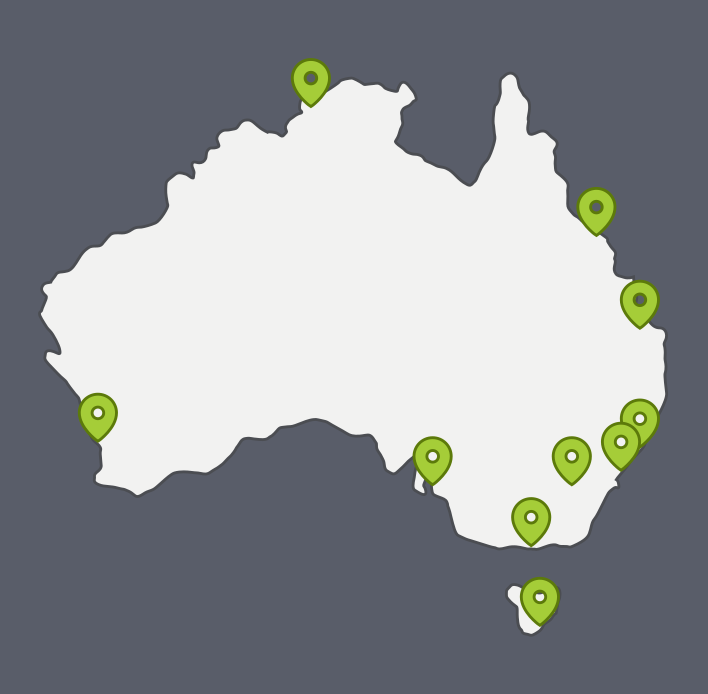
We deliver consistent, high-quality hygiene services to businesses across Australia. Unlike global franchises or contractors, our full-time staff operate nationwide—so you get reliable service, clear accountability, and a standard of care you can trust, no matter where you are.
Safe for families and pets
We work with the latest in safe pest control technologies and treatments, keeping your staff and customers safe. Our professionally trained technicians use targeted solutions at the source of the problem to keep bugs out and keep your business safe.
Our ISO1401 certification for environmental impact management and HACCP food safety certification means you can trust Competitive Pest Control Services care about the safety and protection of your facility.

Our technicians use only the safest, environmentally friendly treatments available in and around your home, to keep pests at bay giving you peace of mind as the kids continue to play in a safe and healthy environment.

There’s more to effective pest control than chemicals. We target our applications to the source of the problem from enhanced inspections to exclusion methods followed by protection.

All our treatments are environmentally friendly, because we love the Earth as much as you do. Our expertise enables us to keep chemical application to a minimum to keep the pests away, and we’re 100% carbon neutral.
What our clients say

“CPS has consistently delivered outstanding service across both pest control and hygiene solutions. Their team is knowledgeable, responsive, and always professional. We’ve seen excellent results from their pest treatments, and their hygiene services have helped maintain a clean and safe environment for our staff and customers. It’s clear they take pride in their work and genuinely care about client satisfaction. Highly recommended!”

“At Ronald McDonald House Charities (RMHC), creating a safe and welcoming environment for families is at the heart of what we do. CPS has been an exceptional partner – professional, responsive, and always willing to go the extra mile to keep our Houses and Family Retreats protected.
Their reliability and commitment to quality give us real peace of mind, and we’re proud to work with a partner that shares our commitment to comfort, care and connection for families who need it most.”

“Since the day that we moved to CPS for our pest control, I was pleased with the level of understanding and professionalism demonstrated by all the staff that both visited the site and supported them from the office. Site maps, service and hand overs have been fantastic. I happily endorse the work carried out by CPS and recommend them to prospective clients as a great team to deal with.”
“We’ve been working with Competitive Pest Services across multiple sites in three states as our primary pest control provider. Their team has been responsive and easy to get in touch with, even at short notice, which is a big advantage for multi-site, multi-state operations like ours. They provide comprehensive recommendations and are willing to go the extra mile when needed”

“We are thrilled to share our outstanding experience with Competitive Pest Control and Competitive Hygiene, who have been providing services across all Beyond Bank locations. Their professionalism, reliability, and attention to detail have consistently exceeded expectations”

Competitive Pest Services has provided contractual routine pest control and termite inspections and treatments to Ausgrid for the last 12 years, and recently was awarded a 3 year contract extension. In addition to the contractual services provided, Competitive Pest Services also provides after hour emergency services that includes removal of pests at all Ausgrid depots, substations, offices and warehouses.

“We have used CPS as our preferred pest control partner for several years. We have always found them professional and very reliable, which is of utmost importance when dealing with the intricacies of tenancies and vendors during a sale campaign.”

“We have used CPS as our preferred pest control partner for several years. We have always found them professional and very reliable, which is of utmost importance when dealing with the intricacies of tenancies and vendors during a sale campaign. We always find them quick to get out to our properties, the service is always excellent and the job done well, and there is an added benefit with CPS that they are also proactive in scheduling follow up treatments for the more serious issues like termites. I have never had a dissatisfied customer and we have had them attend hundreds of our properties. I would happily recommend them to anyone looking for a pest control company.”