
Cockroaches Pest Control and Treatment


Cockroach Pest Control
Cockroaches have been around for over 300 million years, making them one of the most resilient pests in the world.
Across Australia, the main problem species are the German cockroach, followed by the Australian, Oriental, Smoky-brown, and American cockroaches. Of these, the German cockroach is the most troublesome, reproducing rapidly and thriving in homes, restaurants, and high-density buildings.
What Do Cockroaches Look Like?
Cockroaches vary in size and colour depending on the species. Most are flat-bodied insects with long antennae and quick, darting movements. German cockroaches are small and light brown with two dark stripes, while Australian cockroaches are larger with distinctive yellow markings near their wings. American cockroaches are big, reddish-brown and among the fastest running insects.
Where Do Cockroaches Like to Live?
Cockroaches are highly adaptable and favour warm, humid environments such as kitchens, bathrooms, roof voids, subfloors, cracks, and crevices. They can go for a whole month without food, but moisture is essential for their survival.
In Australia’s urban areas, cockroach infestations are common due to dense housing, food availability, and humid weather. While many people associate cockroaches with poor hygiene, they can infest even clean homes. They reproduce quickly, with a single egg case producing dozens of young, and leave behind chemical trails that attract more roaches to the area.
Because of their rapid breeding and ability to stay hidden, infestations can grow out of control fast — which is why professional pest control is often necessary to eliminate them completely.
Different Species of Cockroaches in Australia
American Cockroach (Periplaneta americana)
How they look
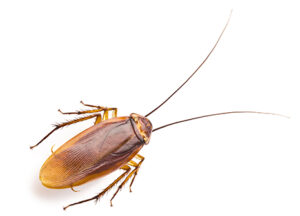
American cockroach adults grow to around 4 cm long and 7 mm tall. They are reddish-brown with a yellowish margin behind the head. Nymphs resemble adults but lack wings. They are considered one of the fastest-running insects and have large compound eyes with over 2,000 lenses.
Where they live
They prefer moist areas but can survive in drier places if water is available. Ideal conditions are warm (around 29°C). Common habitats include basements, sewers, roof voids, subfloors, and cracks and crevices in homes.
Behaviour
American cockroaches are scavengers, feeding on decaying organic matter and various other foods. They are very active at night and shun light, often darting out of sight when disturbed.
Australian Cockroach (Periplaneta australasiae)
How they look
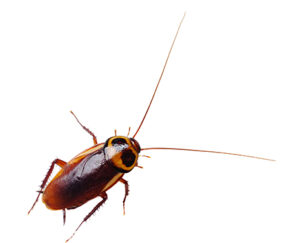
Slightly smaller than the American cockroach, with yellow margins around the thorax and yellow streaks on the wing base. They are strong flyers, especially in warmer weather.
Where they live
They prefer warm, moist conditions but can survive indoors during colder months if water is available. Outdoors, they often shelter under leaf litter and in garden beds.
Behaviour
Australian cockroaches are scavengers but prefer decaying matter and plants over human food. Indoors, they are most active at night and avoid light. Large infestations often produce a distinct odour, with droppings and vomit marks visible in cupboards and hinges.
German Cockroach (Blattella germanica)
How they look
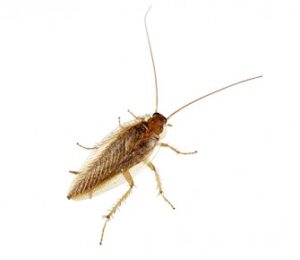
Small (12–16 mm), light brown with two dark stripes down the pronotum. They have wings but rarely fly.
Where they live
German cockroaches are the hardest to control and the most common nuisance species in Sydney and Brisbane. They thrive in kitchens, pantries, and warm appliances such as microwaves, dishwashers, ovens, and refrigerators.
Behaviour
They reproduce extremely quickly — one female lays egg capsules containing 30 to 48 eggs and can produce 20,000 young per year. They eat almost anything but prefer starchy foods like rice, potatoes, and cereals. They are mostly found in the kitchen and frequent cupboards and appliances such as microwaves, dishwashers, ovens and fridge motors and compressors. Severe infestations can damage appliances and cause odours. They are social insects, often clustering together in large groups around food and heat sources.
Brown Banded Cockroach (Supella longipalpa)
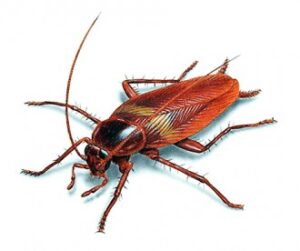
How they look
A small cockroach with pale bands across its wings, often confused with the Australian cockroach.
Where they live
They require less moisture than other species and have a wider distribution. They are commonly found in warm spots such as shower recesses, behind pictures, and inside appliances. Females glue their egg cases to furniture such as lounge chairs or the underside of tables.
Behaviour
Each female produces around 20 egg cases in her lifetime, with each capsule containing 14–16 eggs. Nymphs develop in 3–9 months, and adults live for about 6 months. They are fast movers and can jump or fly when disturbed.
Smoky Brown Cockroach
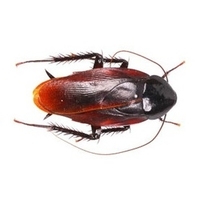
How they look
A common cockroach in Sydney, these cockroaches range from 3 mm to 33 mm long. Males have wings longer than their body, while females have wings that overlap the abdomen.
Where they live
Smoky browns live mostly outdoors in warm, moist, sheltered environments. At night, they often enter homes in search of food and water.
Behaviour
They feed opportunistically on scraps, plant matter, and even dead insects. Indoors, they contaminate food and surfaces with excrement and bacteria. Most female smoky browns live for 218 days on average while males live for 215 days. A female produces around 10 egg sacs during her lifetime, each with about 20 eggs. Nymphs take 6–12 months to reach maturity.
How to Identify Cockroach Infestations
General Signs of an Infestation
Cockroaches are one of the most common pests in Australian homes. They are considered unhygienic because of their filthy habits and the unpleasant odour they leave behind. Infestations can happen at any time of year whether it’s spring, summer, autumn or winter, as cockroaches remain active year-round.
A single female cockroach and her first generation of young can lead to more than 800 cockroaches in a year. They reproduce rapidly, survive for months without food and up to two weeks without water, and usually stay hidden during the day. When cockroaches are seen in daylight, it is often a sign of a major infestation.
Signs of cockroach activity include “spotting” (droppings, vomit marks or smear marks) in corners and hiding places, discarded egg cases, shed skins from moulting, and in larger infestations, a strong musty smell.
Because cockroaches multiply so quickly and spread bacteria, it’s important to act as soon as you notice signs of them. Professional pest control is the most reliable way to eliminate an infestation and protect your health.
Signs of a Cockroach Infestation
Cockroaches are masters of hiding, but they leave behind clear signs of their presence. Knowing what to look for can help you catch an infestation before it becomes severe.
Cockroach Droppings
Cockroaches leave behind a dusting of black droppings that look like ground coffee. They are usually smaller than 1 mm wide and vary in length. Because cockroaches eat almost anything — from food scraps to dead skin cells — they produce faeces wherever they hide.
Roach droppings can harbour more than 30 kinds of bacteria, so take care when cleaning them. Always wear gloves and a face mask, vacuum first, and then disinfect the surface thoroughly.
Smear Marks
In damp areas, cockroaches may produce irregular brown smear marks as they crawl or rest. These stains often appear on horizontal surfaces, especially at wall and floor junctions, where roaches are most active.
Egg Capsules
Cockroach eggs are contained inside protective cases called oothecae. Each capsule can hold between 10 and 50 eggs.
American and German cockroaches produce brown oothecae, while Oriental cockroaches produce reddish-brown ones. German cockroaches often carry the case until just before hatching, while others attach them in hidden spots such as behind furniture or inside bookshelves. Finding oothecae is a strong sign of a nearby infestation.
Shedded Skin
As cockroaches grow from nymphs to adults, they shed their skins five to eight times. These discarded shells, often found near hiding spots, can vary in size.
While shed skins don’t always mean there’s an active infestation, they are proof cockroaches have been present. The presence of skins and roach feces serve as antigens, and if inhaled, this foreign protein can trigger allergic and asthmatic reactions.
Property Damage
Cockroaches will chew on almost anything, not just food packaging. They may damage books, leather, and other organic materials. Unexplained chew marks can be another warning sign.
Unusual Odour
A strong, musty smell often accompanies larger infestations. This odour comes from cockroach faeces, pheromones that attract other roaches. The bodies of dead cockroaches also emit a smell as oleic acid is released.
Live Cockroaches
Cockroaches are nocturnal, so seeing them during the day often signals a major infestation. German cockroaches prefer warm, humid spaces such as kitchens, bathrooms, and laundries. Thanks to sticky pads on their feet, they can easily climb smooth surfaces like glass and metal.
Oriental cockroaches, on the other hand, thrive in cooler, damp places such as drains and basements. If you notice live cockroaches scurrying in daylight, the population may already be much larger than you think.
How to Prevent Cockroach Infestations
Cockroaches need three things to survive: food, water, and shelter. If you can reduce or eliminate these, you make your home much less attractive to them. While they may seem like a simple nuisance, cockroaches can also attract more dangerous predators, such as spiders, into your home.
Maintain Cleanliness
The most effective defence against cockroaches is regular sanitation:
- Wipe up spills immediately from counters and floors.
- Seal pantry items in airtight containers.
- Store pet food properly instead of leaving it out.
- Clean dirty dishes promptly and avoid leaving them overnight.
- Use a garbage bin with a tight-fitting lid.
Eliminate Hiding Spots
Cockroaches thrive in clutter and dark, undisturbed spaces. Reduce their opportunities by:
- Clearing away debris like leaves and wood piles near the house.
- Trimming shrubs and plants so they don’t touch your roof or walls.
- Removing decaying plants that attract pests.
- Avoiding overwatering gardens.
Seal Entry Points
Even small gaps can let cockroaches in. To block them:
- Seal cracks in walls, skirting boards, and foundations.
- Ensure doors and windows close tightly.
- Paint or seal exposed wood to prevent pests from burrowing.
How to Get Rid of Cockroach Infestations
Step 1: Identify the Species
The first step to effective cockroach control is knowing what species you’re dealing with.
German cockroaches – Small, light brown, and the most difficult to control. They are often brought inside in boxes, luggage, or groceries.
American cockroaches – Large and reddish-brown. They usually breed outside but will wander indoors for food and water.
Australian cockroaches – Large, brown with yellow streaks near the wings. Found in roof voids, walls, gardens, and under wood piles.
Different species prefer different habitats, but all can spread quickly once indoors.
Step 2: Look for Infestation Signs
Check for cockroaches in cracks, crevices, dishwashers, fridges, ovens, cupboards, and bathrooms. Glue traps can confirm activity and show the level of infestation.
Because cockroaches thrive in humid conditions, reducing dampness with a dehumidifier or improved ventilation can make your home less attractive.
Step 3: Eliminate Food, Water, and Shelter
Cockroaches survive for months without food and weeks without water, so hygiene is critical:
- Wipe up crumbs, grease, and spills.
- Seal leftovers in airtight containers.
- Empty rubbish bins regularly and use tight-fitting lids.
- Don’t leave pet food out overnight.
- Check for and fix leaks under sinks, bathrooms, and laundry areas.
- Get rid of cardboard boxes, which act as both food and hiding places.
A clean, dry home is the best foundation for cockroach control.
Step 4: Use Traps and Baits
Sticky traps – Place under sinks, behind appliances, and near rubbish bins. They help monitor activity and catch cockroaches.
Gel baits – Applied in cracks and dark areas. Roaches eat the bait, take it back to the nest, and spread the poison. As effective as it may be, it is likely to leave numerous dead roaches around your home.
Bait stations – Work similarly but in enclosed containers. They kill cockroaches within days and reduce infestations over time.
⚠️ Some roaches can develop resistance to pesticides, so it’s important to update products regularly or seek professional help.
Step 5: Seal Entry Points
Even if you kill existing cockroaches, new ones may enter unless you block them out. Seal cracks, gaps around windows, doors, plumbing, and electrical lines. This forces cockroaches into the open where they won’t be able to survive for long.
Over-the-counter sprays may repel cockroaches for a short time, but they rarely solve infestations. They only work on insects sprayed directly and do little against hidden populations. Relying on sprays alone usually allows infestations to grow unnoticed.
For a lasting solution, professional treatment is essential. A pest control company like Competitive Pest Control uses proven techniques such as cockroach baits, total release aerosols, pump sprays and other pesticides that are designed to eliminate cockroaches at the source and prevent them from coming back.
Step 6: DIY and Alternative Cockroach Treatments
Some homeowners prefer natural remedies or DIY methods before calling in professionals. These can help reduce cockroach numbers but rarely wipe out an infestation completely.
Boric Acid, Baking Soda, and Diatomaceous EarthBoric acid is one of the most effective DIY cockroach killers. Mix three teaspoons of boric acid with three teaspoons of sugar (or flour to make a dough) and place it in areas where cockroaches are active. The sugar or flour lures them in, while the boric acid acts as a stomach poison. Be cautious though—boric acid can be dangerous to pets.
Baking soda and diatomaceous earth can also be used in the same way. They damage or dehydrate cockroaches, eventually killing them.
Natural Smells and Repellents
Cockroaches dislike strong scents. Natural repellents include:
- Bay leaves
- Lavender
- Eucalyptus
- Citrus
- Peppermint
- Lemongrass
You can place these plants around your home (cupboards, under sinks, or other hiding spots), or use scented candles, essential oils, or homemade sprays. Be sure the scent is strong enough to be effective. A fabric softener and water spray can also be used directly on cockroaches or in problem areas.
Soap and Water Spray
A simple dish soap and water mix can suffocate cockroaches by blocking their breathing pores. This works for killing individual cockroaches on contact.
Insect Growth Regulators (IGRs)
Even if adults are killed, hidden eggs can restart the infestation. IGRs break this cycle by acting as cockroach “birth control.” They release a synthetic pheromone that prevents eggs from hatching and stops nymphs from maturing into adults.
- Female German cockroaches, the most common pest species in Australia, lay about 50 eggs every six weeks, which usually hatch within a month. Eliminating just one pregnant female can prevent hundreds of new cockroaches.
- IGRs don’t kill roaches directly, so they are best paired with baits or sprays.
- They also encourage cockroaches to feed, improving bait uptake and making treatments more effective.
When used alongside baiting systems or professional insecticides, IGRs provide long-term population control and prevent infestations from coming back.
Step 8: Call a Pest Control Professional
Cockroaches are extremely resilient, fast breeders, and excellent at hiding. DIY methods may help with small or isolated infestations, but large colonies are rarely eliminated this way.
If cockroaches keep coming back, it’s best to call a licensed pest control company. Professionals can identify the infestation, apply targeted treatments, and prevent future outbreaks. Non-toxic alternatives are also available if you want to avoid harsh chemicals.
Need help now? Book a professional cockroach inspection on 1300 766 614. Our experts will assess your property, explain your options, and create a tailored plan to eliminate cockroaches and stop them from coming back.
Frequently Asked Questions (FAQ)
How do cockroaches enter the home?
Cockroaches are expert invaders. They squeeze through cracks and crevices around doors, windows, and walls, or find their way in through plumbing, sewers, and drains. They can also hitch a ride in cardboard boxes, packaging, grocery bags, or luggage. Once inside, they multiply quickly, especially if food and water are easy to access. Leftover crumbs, dirty dishes, greasy spills, and moisture all make your home more attractive to them.
Where Do Cockroaches Hide?
Cockroaches prefer warm, dark, and humid environments. Common hiding spots include kitchens, bathrooms, roof voids, subfloors, and laundry areas. They often gather under sinks, around leaky pipes, and behind appliances like dishwashers and fridges. Oriental cockroaches can tolerate cooler, drier spaces and may be found in basements, near cracked drainpipes, or under damaged drain covers. Thanks to their flat bodies, cockroaches can also hide behind wallpaper, under mats, or inside wall cracks.
Can’t I Just Clean My Home and Wait for the Roaches to Leave?
Cleaning helps, but it won’t drive cockroaches out entirely. Even spotless homes provide water, warmth, and shelter — three things cockroaches need to survive. While tidiness reduces food sources, professional pest control is usually required for long-term elimination. Cockroach management must be ongoing and proactive, not just reactive.
Do Cockroaches Bite?
Cockroaches are not aggressive biters, but in severe infestations, they may nibble on food residue left on human skin, fingernails, or hair. While bites are rare, they can cause minor irritation.
Can Cockroaches Fly?
Some cockroach species, like the Australian and American cockroach, are capable of flight, but they prefer running and will usually only fly in warm, humid conditions. Others, like German cockroaches, have wings but rarely use them.
What Do Cockroaches Eat?
Cockroaches are omnivores and scavengers. They feed on almost anything organic, including food scraps, grease, cardboard, paper, dead insects, hair, and even glue. This adaptability is one of the reasons why they thrive in plenty of places.
Do Cockroaches Carry Disease?
Yes. Cockroaches are known to spread bacteria, pathogens, and allergens. They can carry salmonella, E. coli, and parasites, contaminating food, utensils, and surfaces. Their droppings and shed skins also trigger asthma and allergies, particularly in children.
Can Cockroaches Swim?
Cockroaches cannot swim in the traditional sense, but they are excellent at surviving in water. They can hold their breath for up to 40 minutes and are often found emerging from drains, sewers, and pipes.
What Attracts Cockroaches?
Cockroaches are drawn to three main things:
Food: Crumbs, leftovers, unsealed containers, pet food, and garbage.
Water: Leaks, damp areas, condensation, and wet bath mats.
Shelter: Warm, dark cracks and crevices in kitchens, bathrooms, and basements.
To prevent infestations, keep your home clean and dry, seal food properly, fix leaks quickly, and eliminate clutter.


Pest control for the home and business
We offer expert pest eradication and prevention services for every environment – from homes and commercial kitchens to healthcare and offices. Explore the solutions we provide to keep your spaces safe, clean, and protected long-term.


Common pests we deal with
We deliver tailored, long-lasting pest control with a focus on safety, service and results.
From ants and cockroaches to bed bugs and pantry pests, we treat the full range of infestations found in Australian homes and businesses. Our trained technicians know how to identify the issue quickly and apply the right solution to remove pests – and keep them from coming back.

Ants are attracted to food sources and can contaminate food areas, often requiring professional help to locate and remove nests.

Bed bugs infestations are notoriously difficult to beat and hide in bedding and furniture, leaving bites and stains as signs of infestation.

Cockroaches thrive in warm, moist environments, breed quickly, and can leave behind odours and stains—early treatment is key.

Fleas feed on blood, mostly living off pets, and can survive dormant in the environment for months. Professional treatment is often needed.

Silverfish are fast, wingless insects that prefer warm, dark areas and can live for years, feeding on starchy or synthetic materials.

The formidable appearance and size of spiders makes them the most feared of all the creepy crawlies. However most spiders are harmless and avoid people.

Pantry moths infest dry food and can contaminate large amounts of it with webbing and droppings, regular checks and baits help prevent them.

Carpet beetles damage rugs and feed on hair, skin, and feathers, often going unnoticed until larvae husks or damage appears in hidden spaces.
Rodents control that removes the risk — fast and for good
Rats and mice pose serious health, safety and hygiene risks for homes and businesses. Our trained technicians quickly identify entry points, eliminate infestations, and implement proven prevention measures to keep rodents out for good.

Bird problems controlled with expert, long-term solutions
Birds can damage buildings, spread disease, and disrupt operations. We provide specialist bird control using proven methods and premium materials—designed to stop nesting, roosting and mess, and keep birds from coming back.


Termite protection that stops damage before it starts
Termites can silently destroy timber structures, causing costly and sometimes irreversible damage. Our licensed technicians use advanced detection tools and proven treatment systems to eliminate colonies and protect your property long-term.


Bed bug infestations found fast — and stopped for good
Bed bugs can spread quickly, cause discomfort, and damage your reputation if left untreated. Our expert team knows how to detect the early signs, eliminate infestations at the source, and prevent them from coming back with proven, long-term solutions.

National hygiene service. Local teams you can trust.
We deliver consistent, high-quality hygiene services to businesses across Australia. Unlike global franchises or contractors, our full-time staff operate nationwide—so you get reliable service, clear accountability, and a standard of care you can trust, no matter where you are.

Safe for families and pets
We work with the latest in safe pest control technologies and treatments, keeping your staff and customers safe. Our professionally trained technicians use targeted solutions at the source of the problem to keep bugs out and keep your business safe.
Our ISO1401 certification for environmental impact management and HACCP food safety certification means you can trust Competitive Pest Control Services care about the safety and protection of your facility.

Our technicians use only the safest, environmentally friendly treatments available in and around your home, to keep pests at bay giving you peace of mind as the kids continue to play in a safe and healthy environment.

There’s more to effective pest control than chemicals. We target our applications to the source of the problem from enhanced inspections to exclusion methods followed by protection.

All our treatments are environmentally friendly, because we love the Earth as much as you do. Our expertise enables us to keep chemical application to a minimum to keep the pests away, and we’re 100% carbon neutral.
What our clients say

“CPS has consistently delivered outstanding service across both pest control and hygiene solutions. Their team is knowledgeable, responsive, and always professional. We’ve seen excellent results from their pest treatments, and their hygiene services have helped maintain a clean and safe environment for our staff and customers. It’s clear they take pride in their work and genuinely care about client satisfaction. Highly recommended!”

“At Ronald McDonald House Charities (RMHC), creating a safe and welcoming environment for families is at the heart of what we do. CPS has been an exceptional partner – professional, responsive, and always willing to go the extra mile to keep our Houses and Family Retreats protected.
Their reliability and commitment to quality give us real peace of mind, and we’re proud to work with a partner that shares our commitment to comfort, care and connection for families who need it most.”

“Since the day that we moved to CPS for our pest control, I was pleased with the level of understanding and professionalism demonstrated by all the staff that both visited the site and supported them from the office. Site maps, service and hand overs have been fantastic. I happily endorse the work carried out by CPS and recommend them to prospective clients as a great team to deal with.”

“We’ve been working with Competitive Pest Services across multiple sites in three states as our primary pest control provider. Their team has been responsive and easy to get in touch with, even at short notice, which is a big advantage for multi-site, multi-state operations like ours. They provide comprehensive recommendations and are willing to go the extra mile when needed”

“We are thrilled to share our outstanding experience with Competitive Pest Control and Competitive Hygiene, who have been providing services across all Beyond Bank locations. Their professionalism, reliability, and attention to detail have consistently exceeded expectations”

Competitive Pest Services has provided contractual routine pest control and termite inspections and treatments to Ausgrid for the last 12 years, and recently was awarded a 3 year contract extension. In addition to the contractual services provided, Competitive Pest Services also provides after hour emergency services that includes removal of pests at all Ausgrid depots, substations, offices and warehouses.

“We have used CPS as our preferred pest control partner for several years. We have always found them professional and very reliable, which is of utmost importance when dealing with the intricacies of tenancies and vendors during a sale campaign.”

“We have used CPS as our preferred pest control partner for several years. We have always found them professional and very reliable, which is of utmost importance when dealing with the intricacies of tenancies and vendors during a sale campaign. We always find them quick to get out to our properties, the service is always excellent and the job done well, and there is an added benefit with CPS that they are also proactive in scheduling follow up treatments for the more serious issues like termites. I have never had a dissatisfied customer and we have had them attend hundreds of our properties. I would happily recommend them to anyone looking for a pest control company.”