
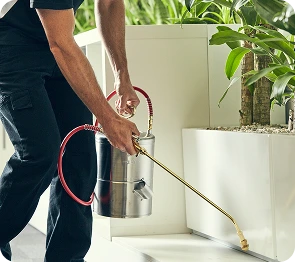
Wasps Pest Control and Treatment


Wasps Pest Control
Wasps are social insects known for building paper-like nests and living in colonies that can range from a handful of individuals to several dozen. While they play a beneficial role in nature by preying on caterpillars and other insects, they are also considered a serious pest when nesting around homes and businesses. Wasps become aggressive if disturbed and can inflict painful stings that, in some cases, trigger severe allergic reactions.
What Do Wasps Look Like?
Wasps are typically slender insects with narrow waists, smooth bodies, and bright yellow-and-black or reddish markings depending on the species. Unlike bees, they are less hairy and more streamlined in appearance.
Adults range from 10–20 mm in length, with powerful wings that allow them to fly quickly. Wasp larvae resemble small, maggot-like grubs and develop inside the paper cells of the nest until they pupate into adults.
Where Do Wasps Live?
Wasps build their nests in sheltered spots such as under eaves, in roof voids, window sills, or attached to trees, shrubs, and even palm fronds. Their nests are made from chewed wood fibres mixed with saliva, forming a papery material that can expand rapidly as the colony grows. A mature paper wasp nest may contain 20–30 adults, but larger nests can reach up to 200 mm in diameter with dozens of nursery cells.
Wasps are most active during the warmer months, when colonies expand quickly and foraging workers search for food. They can be particularly dangerous if their nest is disturbed, as they will defend it aggressively, stinging multiple times.
Common Types of Wasps in Australia
Australia is home to a wide variety of wasp species, some of which play a useful role in controlling pest insects, while others pose a risk to people and pets. Unlike bees, many wasps can sting repeatedly, and species that build colonies can become highly aggressive if their nests are disturbed. Wasps are most often encountered around gardens, eaves, and outdoor living spaces where food sources are plentiful.
Below are some of the most common types of wasps found in Australia and why they can be a problem.
Mud Dauber Wasp (Sceliphron spp. And other genera)
How they look
Mud daubers are solitary wasps, larger than paper wasps, measuring around 25 mm (1 inch) long. They have long, stick-like waists and are typically black with yellow markings or metallic blue with clear or dark wings.
Where they live
Unlike colony-building wasps, mud daubers construct individual mud nests in cracks, crevices, sheds, and around buildings. Each nest contains several cells, where eggs are laid.
Why they are a problem
Mud daubers are not aggressive and rarely sting unless provoked. However, their nests can be unsightly and cause minor structural issues when built on walls. The main concern is for people with wasp allergies, as even a single sting may be dangerous.
European Wasp (Vespula germanica)
How they look
European wasps are medium-sized (12–17 mm) with striking black and yellow stripes. They are often confused with bees, but their smooth bodies and tucked-in legs in flight set them apart.
Where they live
An invasive pest from Europe, they have spread widely across southern Australia. They construct massive nests underground or in concealed spaces such as roof voids, wall cavities, or tree hollows. A single nest can house thousands of wasps.
Why they are a problem
Considered the most aggressive wasp in Australia, they will vigorously defend their nest and can sting multiple times. Their venom may trigger severe allergic reactions. Outdoors, they scavenge food and drinks, making them a common menace at barbecues, picnics, and outdoor gatherings.
European Paper Wasp (Polistes dominula)
How they look
Slim-bodied wasps (10–15 mm long) with yellow markings, often confused with native paper wasps. They have long legs that dangle when flying.
Where they live
They build umbrella-shaped nests under eaves, in sheds, garages, or wall cavities. Colonies are smaller than European wasps, usually 20–100 individuals.
Why they are a problem
They defend their nests aggressively and can sting multiple times. Their habit of nesting close to houses puts people and pets at risk.
Asian Paper Wasp (Polistes chinensis)
How they look
Similar in size and shape to their European counterparts, Asian paper wasps have black-and-yellow striped bodies and long legs.
Where they live
Introduced in the early 2000s, they are now established in parts of NSW and Victoria. They prefer to nest in trees, shrubs, and under the eaves of houses.
Why they are a problem
Asian paper wasps are fast to defend their colonies and can deliver multiple painful stings. They also threaten biodiversity by competing with native wasps and bees for food and nesting sites.
Australian Paper Wasp (Polistes humilis)
How they look
A native species, Australian paper wasps measure around 10–15 mm long and are typically reddish-brown or black with yellow markings.
Where they live
Common across southern mainland Australia, they build papery umbrella-shaped nests under eaves, around window frames, and in sheltered areas of gardens.
Why they are a problem
Generally less aggressive than introduced species, they will still sting if their nest is disturbed. Their proximity to houses and outdoor living spaces often makes them a nuisance.
How to Identify Wasps Infestations
Visible Nests
One of the most obvious signs of a wasp infestation is the discovery of nests around your property. Paper wasps build umbrella-shaped nests attached to sheltered areas such as eaves, pergolas, sheds, and window sills. These nests are usually open, with visible hexagonal cells housing larvae.
Mud daubers construct mud cells along walls, ceilings, or corners, which appear as small mud tubes. European wasps, on the other hand, typically nest in concealed spaces such as underground burrows, wall cavities, and roof voids. Because these nests are hidden, infestations may not become obvious until numbers swell significantly.
Increased Wasp Activity
Frequent sightings of wasps flying to and from a particular area are a strong indicator of a nearby nest. European wasps are especially noticeable as they forage for human food, pet food, sugary drinks, and even meat scraps, often congregating in outdoor eating areas, bins, or compost heaps. Unlike solitary wasps, social species may send out large numbers of foragers at once, making their presence highly visible.
Aggressive Behaviour
Wasps are highly defensive of their colonies and can become aggressive if their nests are approached, disturbed, or threatened. Paper wasps and European wasps, in particular, may swarm in large numbers and deliver multiple stings. This behaviour is a clear warning that a nest is established nearby, and at this point, any attempt to disturb the nest without professional help becomes dangerous.
Buzzing or Humming Sounds
When nests are located in hidden areas such as roof spaces, wall cavities, or sheds, homeowners may hear persistent buzzing or humming. Activity is typically highest during the day when wasps are foraging and returning to feed their larvae. If you hear this noise consistently, it is likely that a concealed colony is active inside your home or garden structures.
Property and Environmental Impact
Beyond the immediate risk of stings, wasps can disrupt outdoor activities and make gardens, playgrounds, and entertaining areas unsafe. Their nests can damage building structures if established in wall voids or roof cavities, and their aggressive scavenging behaviour around food and drink increases the likelihood of human encounters.
Signs of Heavy Infestation
In advanced infestations, you may notice multiple nests forming around the property or large numbers of wasps swarming around bins, compost, or outdoor eating spaces. European wasp colonies can grow to contain thousands of individuals, making entire areas unsafe to occupy.
At this stage, infestations pose a significant health risk — not only from painful stings but also from severe allergic reactions (anaphylaxis) in sensitive individuals. Professional pest control is essential, as DIY removal attempts can result in multiple stings and aggressive swarming.
How to Prevent Wasps Infestations
Wasps can quickly turn outdoor areas and even parts of your home into unsafe spaces. While they play a role in controlling other insects, their painful stings and aggressive behaviour make them unwelcome around people, pets, and food.
Preventing wasps from nesting on your property is always easier and safer than dealing with a full infestation. By removing food sources, securing entry points, and staying alert to early signs of nests, you can greatly reduce the risk of wasps settling in.
Keep Outdoor Areas Clean
Wasps are highly attracted to sugary liquids, food scraps, and protein sources. Always keep outdoor eating areas clean, wipe up spills promptly, and avoid leaving pet food or uncovered rubbish outside. Ensure bins have tightly sealed lids and compost heaps are covered. Reducing food availability makes your property far less appealing to scavenging wasps.
Reduce Water and Shelter Sources
Like most pests, wasps are drawn to moisture and shelter. Fix dripping taps, leaking pipes, or gutters that can provide drinking water. Check sheds, roof voids, and eaves for early signs of nests, especially during spring when queens are actively seeking places to establish colonies. Removing clutter and sealing gaps in outdoor structures makes it harder for them to find safe nesting spots.
Protect and Inspect Outdoor Spaces
Paper wasps and European wasps often build nests in gardens, pergolas, or rooflines. Regularly inspect under eaves, decking, and fence lines for the first signs of small nests. Knocking down a new paper wasp nest early (when there are only a few cells) is far easier than managing a mature colony. However, never attempt to remove nests that already contain large numbers of wasps — this should be left to professionals.
Seal Cracks and Entry Points
Wasps can exploit tiny gaps to access wall cavities, attics, and roof spaces. Inspect your home for cracks around windows, doors, vents, and eaves, and seal them with caulk or mesh where appropriate. Installing insect screens on vents and covering chimneys with fine mesh can further reduce entry points.
Limit Attractants in the Garden
Flowering plants, fruit trees, and outdoor lighting attract both insects and wasps. While you can’t eliminate all attractants, you can reduce their impact by harvesting ripe fruit quickly, cleaning up fallen produce, and using yellow or sodium vapor bulbs outdoors (which attract fewer insects and therefore fewer wasps).
Act Quickly if You Spot a Nest
If you see early signs of a wasp nest forming, monitor it closely. Small nests with just a few cells may be safely removed at night when wasps are less active, but any established colony — particularly European wasps — should never be disturbed. Wasps can become aggressive in large numbers, making professional removal the safest and most effective option.
Seasonal Wasp Prevention
Wasp activity follows a clear seasonal pattern in Australia:
Spring: Queens emerge from winter hibernation and search for nesting sites. This is the most effective time to prevent infestations, as removing small nests early is simple and low-risk.
Summer: Colonies grow rapidly, with numbers peaking late in the season. Wasps become more aggressive as food competition increases.
Autumn: Colonies reach maximum size, and wasps often become more of a nuisance around outdoor gatherings due to their attraction to sweet foods and drinks.
Winter: Most wasps die off, leaving only fertilised queens to hibernate. This is when nests are abandoned and can be safely removed.
Staying alert during spring and summer is key to avoiding large infestations later in the year.
How to Get Rid of Wasps Infestations
Wasps are not only a nuisance but also a potential danger due to their painful stings and aggressive behaviour when nests are disturbed. Once a colony is established, removing it becomes risky and should be approached with extreme caution.
At-Home Actions to Get Rid Of Wasps
Use Wasp Traps
Commercial wasp traps or DIY versions (bottles baited with sugar water or fruit juice mixed with vinegar) can lure and capture foraging wasps. While this won’t eliminate a nest, it can reduce numbers and provide relief in outdoor living areas.
Apply Insecticidal Dust (for Ground Nests)
For ground-nesting species, insecticidal dust can sometimes be applied directly into the nest entrance at night when wasps are less active. This allows the dust to spread through the colony as wasps return and move within the tunnels. Extreme caution and protective gear are required.
Remove Small Nests Early
If you catch a nest very early (just a few cells with one or two wasps), you may be able to safely knock it down with a broom or spray it with a wasp-specific insecticide. Always do this in the evening when wasps are least active, and wear protective clothing.
Reduce Attractants Temporarily
If wasps are already active around your home, remove outdoor food and drinks, cover pet bowls, and clean up fallen fruit from gardens. While this is a prevention measure too, it works immediately to reduce wasp activity and lower the chance of stings while you prepare for treatment.
⚠️ Important: Large or hidden nests (especially of European wasps) should never be handled without professional help. Attempting DIY removal can trigger aggressive swarming and multiple stings.
Professional Wasps Treatments
When nests are large, hidden, or located in risky areas (such as roof voids, wall cavities, or playgrounds), professional intervention is essential. Licensed pest controllers use specialised techniques to ensure nests are removed safely and effectively.
Nest Location and Risk Assessment
Technicians will carefully inspect your property to locate nests and assess the level of risk before beginning treatment, ensuring people and pets are kept at a safe distance.
Targeted Insecticide Treatments
Professional-grade insecticides are applied directly to the nest in a controlled manner, killing the colony without triggering a swarm response. Treatments are designed to penetrate deep into the nest, ensuring queens and workers are eliminated.
Safe Nest Removal
Nests are typically left in place for a short period after treatment to allow returning wasps to contact the insecticide. Once activity ceases, the nest can be safely removed.
Follow-Up and Prevention
Pest controllers often provide advice or follow-up visits to ensure reinfestation does not occur. This may include sealing entry points, removing attractants, and monitoring for new nests during peak wasp season.
Call a Pest Control Professional
Wasps are not a pest to tackle alone. Their ability to sting repeatedly and swarm makes them particularly dangerous, especially for children, pets, or anyone with allergies.
A licensed pest control company can:
- Identify the species of wasp
- Safely remove nests from high-risk locations
- Apply targeted treatments that eliminate entire colonies
- Provide preventative strategies for long-term protection
Need help now? Book a professional wasp inspection on 1300 766 614. Our experts will locate nests, explain treatment options, and create a tailored plan to eliminate wasps and keep your property safe.
Frequently Asked Questions (FAQ)
What do wasps eat?
Adult wasps feed mainly on sweet foods such as nectar, fruit, and sugary drinks. They also hunt caterpillars, spiders, and other insects, which they chew up to feed their larvae. This makes wasps beneficial in controlling garden pests, even though they can become a nuisance around human food.
Do wasps make honey?
No. Unlike bees, wasps do not produce honey. They do collect nectar, but instead of storing it, they consume it for energy. Their colonies also don’t last through winter, so they don’t need stored food supplies like honeybees do.
How long do wasps live?
The lifespan of a wasp depends on its role in the colony. Worker wasps usually live for 12–22 days, while queens can survive for up to a year. Queens are the only members of the colony that survive over winter and start new colonies in spring.
Do wasps have a queen?
Yes, but only in social species such as paper wasps and European wasps. These colonies are led by a single queen whose main role is to lay eggs, while worker wasps (sterile females) feed larvae, expand the nest, and defend the colony.In contrast, solitary wasps (like mud daubers) do not have queens. Each female builds her own nest, lays eggs, and raises her young independently.
Are wasps aggressive?
Most wasps are not aggressive if left undisturbed, but they will become highly defensive if their nest is threatened. Species such as European wasps are particularly territorial and will sting repeatedly if provoked. Unlike bees, wasps do not die after stinging and can attack multiple times.
Do wasps sleep at night?
Yes. Wasps are generally inactive at night, resting inside their nests. This is why pest control professionals often treat nests after dark, when the majority of the colony is inside and less aggressive.


Pest control for the home and business
We offer expert pest eradication and prevention services for every environment – from homes and commercial kitchens to healthcare and offices. Explore the solutions we provide to keep your spaces safe, clean, and protected long-term.

Common pests we deal with
We deliver tailored, long-lasting pest control with a focus on safety, service and results.
From ants and cockroaches to bed bugs and pantry pests, we treat the full range of infestations found in Australian homes and businesses. Our trained technicians know how to identify the issue quickly and apply the right solution to remove pests – and keep them from coming back.

Ants are attracted to food sources and can contaminate food areas, often requiring professional help to locate and remove nests.

Bed bugs infestations are notoriously difficult to beat and hide in bedding and furniture, leaving bites and stains as signs of infestation.

Cockroaches thrive in warm, moist environments, breed quickly, and can leave behind odours and stains—early treatment is key.

Fleas feed on blood, mostly living off pets, and can survive dormant in the environment for months. Professional treatment is often needed.

Silverfish are fast, wingless insects that prefer warm, dark areas and can live for years, feeding on starchy or synthetic materials.

The formidable appearance and size of spiders makes them the most feared of all the creepy crawlies. However most spiders are harmless and avoid people.

Pantry moths infest dry food and can contaminate large amounts of it with webbing and droppings, regular checks and baits help prevent them.

Carpet beetles damage rugs and feed on hair, skin, and feathers, often going unnoticed until larvae husks or damage appears in hidden spaces.
Rodent control that removes the risk — fast and for good
Rats and mice pose serious health, safety and hygiene risks for homes and businesses. Our trained technicians quickly identify entry points, eliminate infestations, and implement proven prevention measures to keep rodents out for good.

Bird problems controlled with expert, long-term solutions
Birds can damage buildings, spread disease, and disrupt operations. We provide specialist bird control using proven methods and premium materials—designed to stop nesting, roosting and mess, and keep birds from coming back.


Termite protection that stops damage before it starts
Termites can silently destroy timber structures, causing costly and sometimes irreversible damage. Our licensed technicians use advanced detection tools and proven treatment systems to eliminate colonies and protect your property long-term.


Bed bug infestations found fast — and stopped for good
Bed bugs can spread quickly, cause discomfort, and damage your reputation if left untreated. Our expert team knows how to detect the early signs, eliminate infestations at the source, and prevent them from coming back with proven, long-term solutions.

National hygiene service. Local teams you can trust.
We deliver consistent, high-quality hygiene services to businesses across Australia. Unlike global franchises or contractors, our full-time staff operate nationwide—so you get reliable service, clear accountability, and a standard of care you can trust, no matter where you are.

Safe for families and pets
We work with the latest in safe pest control technologies and treatments, keeping your staff and customers safe. Our professionally trained technicians use targeted solutions at the source of the problem to keep bugs out and keep your business safe.
Our ISO1401 certification for environmental impact management and HACCP food safety certification means you can trust Competitive Pest Control Services care about the safety and protection of your facility.

Our technicians use only the safest, environmentally friendly treatments available in and around your home, to keep pests at bay giving you peace of mind as the kids continue to play in a safe and healthy environment.

There’s more to effective pest control than chemicals. We target our applications to the source of the problem from enhanced inspections to exclusion methods followed by protection.

All our treatments are environmentally friendly, because we love the Earth as much as you do. Our expertise enables us to keep chemical application to a minimum to keep the pests away, and we’re 100% carbon neutral.
What our clients say

“CPS has consistently delivered outstanding service across both pest control and hygiene solutions. Their team is knowledgeable, responsive, and always professional. We’ve seen excellent results from their pest treatments, and their hygiene services have helped maintain a clean and safe environment for our staff and customers. It’s clear they take pride in their work and genuinely care about client satisfaction. Highly recommended!”

“At Ronald McDonald House Charities (RMHC), creating a safe and welcoming environment for families is at the heart of what we do. CPS has been an exceptional partner – professional, responsive, and always willing to go the extra mile to keep our Houses and Family Retreats protected.
Their reliability and commitment to quality give us real peace of mind, and we’re proud to work with a partner that shares our commitment to comfort, care and connection for families who need it most.”

“Since the day that we moved to CPS for our pest control, I was pleased with the level of understanding and professionalism demonstrated by all the staff that both visited the site and supported them from the office. Site maps, service and hand overs have been fantastic. I happily endorse the work carried out by CPS and recommend them to prospective clients as a great team to deal with.”

“We’ve been working with Competitive Pest Services across multiple sites in three states as our primary pest control provider. Their team has been responsive and easy to get in touch with, even at short notice, which is a big advantage for multi-site, multi-state operations like ours. They provide comprehensive recommendations and are willing to go the extra mile when needed”

“We are thrilled to share our outstanding experience with Competitive Pest Control and Competitive Hygiene, who have been providing services across all Beyond Bank locations. Their professionalism, reliability, and attention to detail have consistently exceeded expectations”

Competitive Pest Services has provided contractual routine pest control and termite inspections and treatments to Ausgrid for the last 12 years, and recently was awarded a 3 year contract extension. In addition to the contractual services provided, Competitive Pest Services also provides after hour emergency services that includes removal of pests at all Ausgrid depots, substations, offices and warehouses.

“We have used CPS as our preferred pest control partner for several years. We have always found them professional and very reliable, which is of utmost importance when dealing with the intricacies of tenancies and vendors during a sale campaign.”

“We have used CPS as our preferred pest control partner for several years. We have always found them professional and very reliable, which is of utmost importance when dealing with the intricacies of tenancies and vendors during a sale campaign. We always find them quick to get out to our properties, the service is always excellent and the job done well, and there is an added benefit with CPS that they are also proactive in scheduling follow up treatments for the more serious issues like termites. I have never had a dissatisfied customer and we have had them attend hundreds of our properties. I would happily recommend them to anyone looking for a pest control company.”