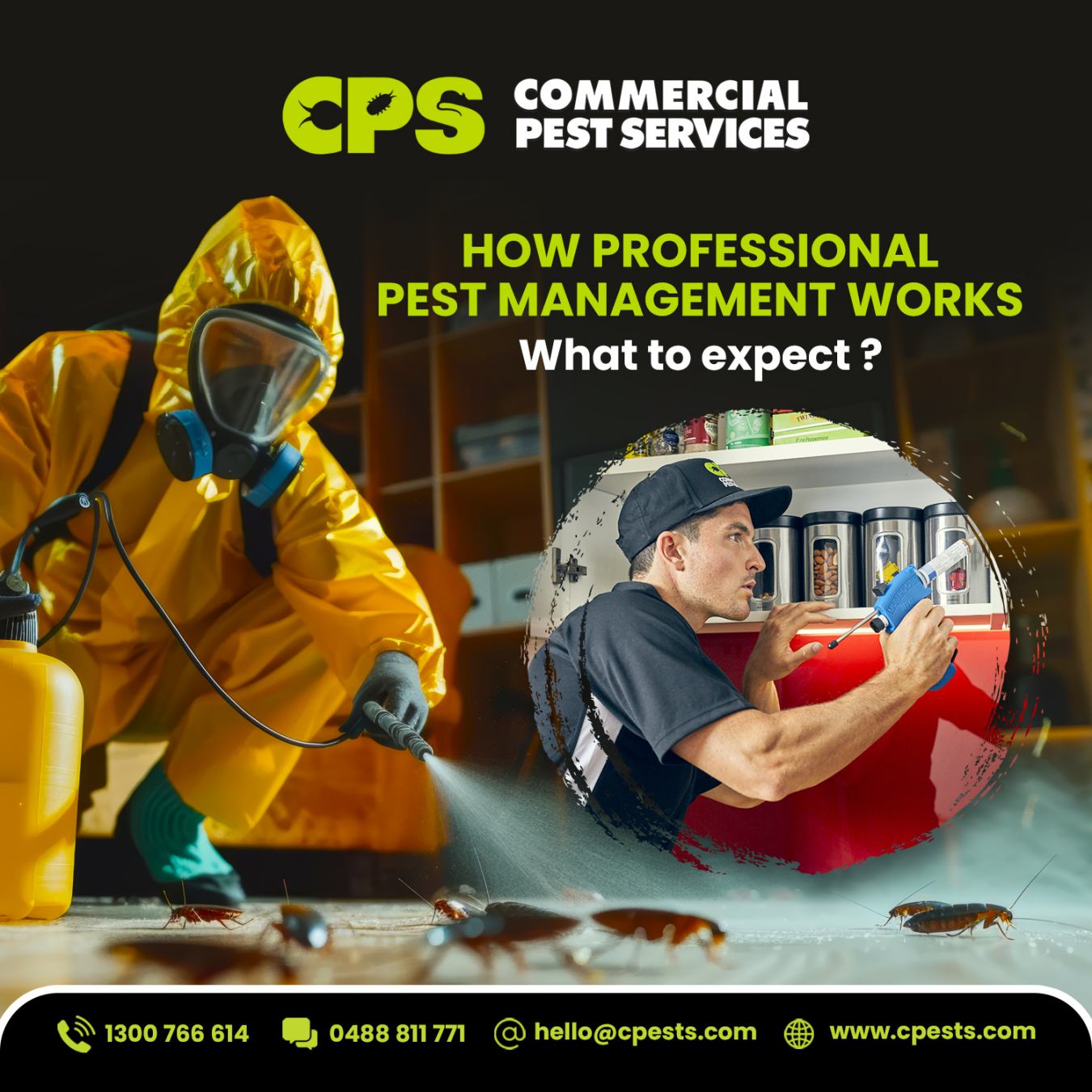
Most people think pest control starts when pests appear and ends after a single treatment. In reality, professional pest management is a structured process; one that focuses on identifying the cause of activity, not just treating what’s visible.
Whether it’s a home or a commercial property, a professional approach follows the same core stages: inspect, treat, prevent. Here’s what that looks like in practice, and what you should expect at every step.
Every Property Has Different Pest Risks
Before any treatment is applied, a professional pest manager assesses the property because pest activity is almost always linked to specific environmental conditions, not random occurrence.
That assessment covers the type of property, its surrounding environment, structural conditions such as entry points and moisture zones, and the level of any existing pest activity. This is what allows treatment to be targeted rather than generic.
In Australia, property type matters significantly. A ground-floor apartment in a dense urban area faces different risks to a Queensland home near bushland, where termites, cockroaches, and rodents are active year-round. A commercial kitchen will have entirely different compliance requirements to a standard residential property.
A one-size-fits-all approach simply does not work and the assessment stage is where effective pest management begins.
What Happens During a Professional Inspection
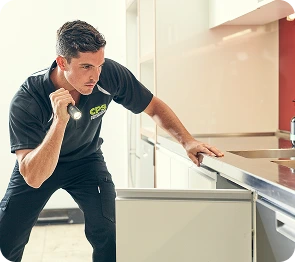
The inspection is the most important stage of the process. Many infestations are not immediately visible. Pests often remain active in wall cavities, roof voids, and subfloor spaces long before they are noticed elsewhere in the building.
A thorough inspection goes beyond checking for visible signs. Technicians assess:
- Droppings, damage, rub marks, and other activity indicators
- Hidden areas including roof voids, storage zones, and subfloor spaces
- Entry points, gaps, pipe penetrations, damaged vents, and structural openings
- Moisture, food sources, and shelter conditions that attract and sustain pests
The goal is to understand the full picture, not just what’s on the surface. What the inspection reveals determines everything that follows.
Targeted Treatment Based on Actual Conditions
Once the inspection is complete, treatment is planned based on the findings.
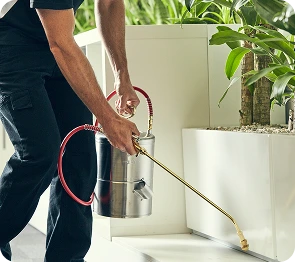
Professional pest control is not a generic approach. Instead, it considers the type of pest involved, the severity of the infestation, the location of activity, and the safety requirements of the environment.
Treatment methods are applied in a controlled way to ensure they are appropriate for the situation. This approach helps reduce unnecessary disruption and ensures the issue is addressed effectively rather than temporarily.
After Treatment: Setting the Right Expectations
Results don’t always appear immediately, and understanding why helps set the right expectations.
Some pest activity may still be visible in the days following treatment. This is a normal part of the process as pests are displaced from their harborage areas. Activity should reduce progressively and, in most cases, be minimal within one to two weeks.
The technician will walk you through what to expect before leaving the property, including any precautions specific to your household or environment.
Ongoing Monitoring and Prevention: A Step to Stay Ahead
One of the key differences in professional pest management is the focus on prevention, not just removal. Pest populations have life cycles that extend beyond a single treatment, and the conditions that attracted them in the first place rarely disappear on their own.
In Australia’s climate, seasonal pest pressure is a real factor. Cockroach and ant activity surges in summer. Rodents seek shelter indoors as temperatures drop in autumn and winter. Termite swarms are most common in spring. Effective ongoing protection is timed around these cycles and will be not triggered only when a problem becomes visible again.
Scheduled inspections and monitoring allow CPS to catch early signs of activity before they develop into a full infestation, which is significantly more cost-effective and less disruptive in the long run.
When Professional Support Becomes Necessary
Some minor issues can be managed early with the right guidance. Professional intervention is recommended when:
- Pest activity continues or returns after an initial treatment
- Multiple areas of the property are affected
- Signs of nesting or hidden activity are present
- DIY products are no longer effective
- The environment carries higher risk including food premises, commercial kitchens, childcare centres, or storage facilities with compliance obligations
For commercial properties, a documented pest management program is often a legal and regulatory requirement. CPS provides the service records and reports needed to support compliance.
Frequently Asked Questions
Do I need to leave during treatment?
For most standard treatments, no. Your technician will advise on which areas to avoid temporarily and for how long before the visit is complete.
Why am I seeing more pests after treatment?
This is normal. Pests become more active when their harborage areas are disturbed. Activity should reduce steadily over one to two weeks.
Is one treatment enough?
It depends on the pest and the severity of the situation. Some cases are resolved with a single visit; others benefit from scheduled follow-up. Your technician will advise on the right approach for your property.
Professional Pest Management: A Process, Not a Product
Effective pest management goes beyond removing what is visible. It involves understanding why activity is occurring, treating it appropriately, and maintaining conditions that prevent it from returning.
If you are dealing with a pest problem or want to protect your property before one develops the starting point is a professional inspection. From there, everything else follows.
Book a pest inspection today; call us or visit us at https://competitivepestcontrol.com.au/