Send us a message and one of our specialists pest managers will be in touch
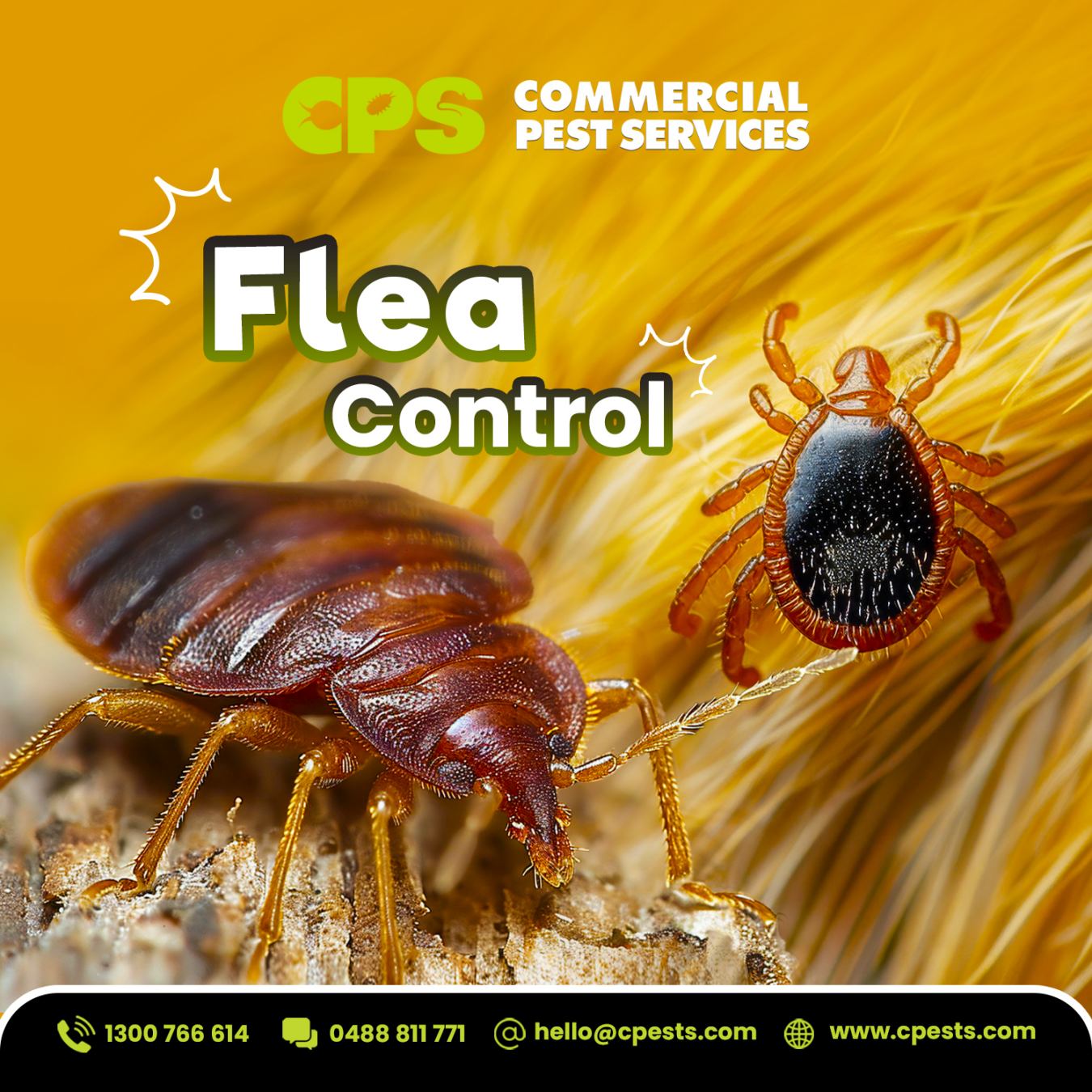
Flea Control After Pet Season: What Melbourne Households Need to Do in May
May 26, 2026
If your dog or cat has been spending more time indoors as the weather cools down, your home may already have a flea problem — even if you haven’t seen a single flea yet. In Melbourne, May is one of the most important months to act on flea control. Here’s why the risk is real, what to look for, […]
If your dog or cat has been spending more time indoors as the weather cools down, your home may already have a flea problem — even if you haven’t seen a single flea yet. In Melbourne, May is one of the most important months to act on flea control. Here’s why the risk is real, what to look for, and exactly what to do about it.
Why Fleas Are Still a May Problem in Melbourne
How Autumn Weather Affects Flea Activity
Fleas thrive in warm, humid conditions, and Melbourne’s autumn fits that profile better than most people realise. While the hottest days are behind you by May, indoor temperatures remain ideal for flea development. Centrally heated homes, in particular, create a consistent environment where flea eggs, larvae, and pupae continue to develop through the cooler months without any slowdown.
The lifecycle is the key thing to understand. Fleas don’t live and die in a week. A flea egg laid on your carpet in late March can still be hatching in May. And because the pupal stage is resistant to insecticides, the cocoon provides a physical barrier; those pupae can lie dormant for weeks, then hatch the moment they detect warmth and vibration from a passing host. In short, autumn doesn’t end a flea problem. It just changes where it hides.
Why Pet Season Leaves Households at Risk
Spring and summer are peak seasons for outdoor flea exposure. Dogs pick up fleas at parks, in the garden, and from contact with other animals. Cats acquire them from garden visits and encounters with wildlife. By the time autumn arrives, many households have unknowingly accumulated flea eggs in carpets, rugs, and soft furnishings, even if the pets themselves appear flea-free after regular treatment. The eggs that were laid in summer are still present. They’re just waiting for the right conditions to complete their cycle.
Signs Fleas Are Still Active in Your Home
Pets Scratching More Than Usual
This is the most obvious sign, but it’s worth understanding what it tells you. If your pet is scratching around the base of their tail, around the neck, or on their belly, flea activity is the most likely cause. However, pets on regular preventative treatment may not scratch heavily even in the presence of fleas; the fleas bite before the preventative takes effect. So a seemingly comfortable pet is not always a clear signal that your home is flea-free.
Flea Dirt on Bedding and Carpets
Flea dirt, which is actually flea faeces, looks like tiny black or dark brown specks, similar in appearance to ground pepper. You’ll typically find it on your pet’s bedding, on light-colored carpets and rugs, or on the fabric of lounges and armchairs.
Here’s a simple test: place some specks on a damp white tissue. If they dissolve into reddish-brown smears, that’s flea dirt confirmed; the red colour comes from digested blood. Finding flea dirt without seeing live fleas is actually common, because fleas are fast-moving and skilled at hiding in fur.
Bites on People and Pets
Flea bites on people typically appear around the ankles and lower legs, the height at which fleas jump from carpet. They appear as small, red, intensely itchy welts, often in clusters of two or three. Children who spend time on the floor are frequently bitten on the arms and torso as well. If you’re waking up with itchy bites that weren’t there the night before, and your pet is also scratching, you almost certainly have an active flea population in the home environment, not just on the animal.
Egg 1–12 days
Larva 5–18 days
Pupa 7–14 days in cocoon
Adult Jumps onto host within hours
Key fact: Up to 95% of a flea infestation lives in the environment, not on the pet. Treating only the animal leaves almost all of the population untouched.
Where Fleas Hide After Pet Season
Carpets and Rugs
The carpet is where the vast majority of a flea infestation lives. Eggs fall off the pet during normal movement and settle deep into carpet fibres, where they are protected from both cleaning products and insecticide sprays. Larvae burrow further into the base of the carpet to avoid light. By the time you’re seeing adult fleas on your pet, the population in your carpet is likely several weeks ahead of what’s visible. High-traffic pet areas, in front of the sofa, along hallways, and beside the bed, are always the highest-density zones.
Pet Bedding and Soft Furniture
Pet beds, blankets, and the cushions of lounges and armchairs are prime harbouring sites. Unlike carpet, these surfaces are easier to treat, but many households make the mistake of washing the pet bed while leaving the lounge cushions untreated. Fleas don’t distinguish between a purpose-built pet bed and your favourite armchair. Treat every surface the pet contacts.
Skirting Boards, Cracks, and Shaded Outdoor Areas
Flea larvae are photophobic, they actively move away from light. This drives them into floor-to-wall junctions, the gaps around skirting boards, under furniture, and into cracks in timber floors. Outdoors, shaded resting spots where pets spend time, under decking, beside garden beds, in the sheltered corner of a patio, can harbour flea larvae and pupae in soil and leaf litter. These outdoor zones are frequently overlooked during home flea treatment, which is one of the reasons infestations recur.
What Melbourne Households Should Do First
If you suspect fleas are present, a coordinated same-day approach is far more effective than treating one thing at a time over several days. Do these steps together, on the same day.
Wash Pet Bedding and Blankets
Wash all pet bedding, blankets, and removable lounge covers on the hottest wash cycle your machine and the fabric allows, ideally 60°C or above. Heat kills all life stages. Where hot washing isn’t suitable for the fabric, machine drying on a high heat cycle for 30 minutes achieves the same result. Do not put unwashed bedding back in the home until the rest of the treatment is complete.
Vacuum Carpets, Lounges, and Floor Edges
Vacuum every carpeted surface thoroughly, giving particular attention to skirting board edges, under furniture, and the areas where pets spend the most time. Use the crevice attachment along floor-to-wall junctions. Vacuuming does two things: it physically removes eggs, larvae, and flea dirt, and it stimulates pupae to hatch, which makes them vulnerable to any treatment product you apply immediately after. This is important: vacuuming without treating immediately after simply redistributes the population.
Treat All Pets at the Same Time
Treating one pet while leaving the other untreated is one of the most common reasons household flea treatment fails. Both the cat and the dog, and any other pets in the household, need to be treated on the same day with a veterinarian-recommended product. Over-the-counter products vary significantly in effectiveness. If you’re dealing with an established infestation, speak to your vet about a prescription-grade treatment rather than relying on a supermarket product.
Dispose of Vacuum Contents Properly
This step is easy to overlook but genuinely important. After vacuuming, empty the vacuum canister or remove the bag immediately and seal it in a plastic bag before placing it in an outdoor bin. Flea eggs and pupae can survive inside a vacuum and re-emerge if the contents are left inside. If your vacuum uses a reusable canister, wipe it out with a damp cloth and dispose of the cloth.
How to Stop Fleas Coming Back
Keep Up With Monthly Pet Preventatives
The most common reason flea infestations recur is inconsistency with pet preventatives. A single missed month, particularly during autumn when flea populations are still active in the environment, can break the protection cycle and allow a new generation to establish. Mark the treatment date on a calendar or set a phone reminder, and stick to it regardless of whether you’ve seen flea activity recently.
Clean High-Traffic Pet Areas Regularly
Once the infestation is under control, weekly vacuuming of carpeted areas where pets rest,rather than the standard fortnightly vacuum, significantly reduces the likelihood of reinfestation. Focus on the zones where your pet sleeps and spends extended time. Wash pet bedding every two weeks through autumn and winter rather than monthly.
Reduce Access to Shaded Resting Spots Outdoors
If your dog spends time in the garden, check for and address the shaded areas they favour. Trim back dense ground cover, clear accumulated leaf litter from under decking, and allow sunlight to reach soil beds where fleas can survive in larval and pupal stages. You don’t need to restrict your pet from the garden, just reduce the microhabitats that support flea development outside.
Repeat Treatment if Eggs or Larvae Remain
A professional flea treatment targets all life stages using an Insect Growth Regulator (IGR) combined with a residual insecticide. However, because the pupal cocoon is impervious to insecticide, newly hatched adults may appear in the two weeks following treatment, this is expected and normal, not a sign of treatment failure. If adult fleas are still appearing more than four weeks after a professional treatment, a follow-up visit is warranted and should be covered under your service agreement.
When DIY Flea Control Is Not Enough
Signs of a Larger Infestation
DIY treatment is a reasonable starting point for mild flea activity. However, there are clear signs that a problem has grown beyond what household products can resolve. Call a professional if you’re seeing flea bites on multiple family members daily, if you’ve treated your pets and the environment and activity continues after two weeks, if you’ve moved into a property that was previously occupied by pets, or if the property has been unoccupied, fleas in a vacant home can remain dormant for months and emerge in force when new occupants arrive.
Why Fleas Can Survive in Carpet and Furniture
Standard supermarket flea sprays are contact-kill products. They kill adult fleas they touch directly, but have no effect on eggs or pupae, and minimal effect on larvae that have burrowed into carpet fibres. Because up to 95% of a flea population at any given time is in the egg, larval, or pupal stage rather than the adult stage, a contact-kill spray, even applied thoroughly, leaves the overwhelming majority of the infestation intact. Professional treatment uses an IGR to break the lifecycle across all life stages, combined with a residual insecticide that remains active in the environment for several weeks.
When to Call a Pest Professional
Contact CPS if the problem persists beyond two weeks of DIY treatment, if you have a confirmed infestation across multiple rooms, if you or a family member is being bitten daily, or if the property was vacant for more than a month before occupancy. CPS provides a free assessment, a clear treatment plan, and a written service report. The 200% Money-Back Guarantee means that if the infestation isn’t resolved, you’re not just entitled to a refund — CPS will pay a competitor to fix it.
DIY Flea Control
CPS Professional Treatment
Treats adult fleas on the pet
Treats eggs, larvae, pupae, and adults in the environment
Misses 95% of the flea population in carpets and furniture
Full IGR + residual treatment targeting all life stages
No follow-up, reinfestation is common within 2–4 weeks
Scheduled follow-up visit confirms elimination
No compliance documentation
Written service report provided the same day
No guarantee on results
200% Money-Back Guarantee
Pet-Safe Flea Control Tips for Families
Choosing Treatments Carefully
Not all flea control products are safe for all pets. Crucially, many products that are safe for dogs are toxic to cats, particularly those containing permethrin, a synthetic pyrethroid that is highly effective on dogs but can cause severe neurological reactions in cats, including death. Always read the label and confirm species suitability before applying any product. When in doubt, use separate products formulated specifically for each species.
Protecting Children, Cats, and Dogs During Cleaning
When applying any flea treatment spray or powder to the environment, ensure that children, cats, and dogs are kept out of the treated area until the product has fully dried. For most water-based products, this is typically 30–60 minutes. Keep windows and doors open during application to reduce inhalation exposure. Remove pet food and water bowls from the treatment area before spraying and replace them only after the area is dry.
Ventilating Rooms After Treatment
Good ventilation is a simple and often overlooked step. Open windows after treatment and keep them open for at least an hour. This applies to both DIY household sprays and professional treatment products. CPS technicians use low-toxicity formulations wherever possible, and all products used in the home are listed on the service report — so you know exactly what was applied and the re-entry time for each space.
A May Flea-Control Checklist for Melbourne Homes
Weekly Tasks
Vacuum all carpeted areas, skirting board edges, and under furniture
Vacuum lounge cushions and the fabric of armchairs
Check pet coat for flea dirt using a fine-tooth flea comb
Inspect pet bedding for dark specks or live flea activity
Fortnightly Tasks
Wash all pet bedding and blankets on a hot cycle (60°C+)
Wash any blankets or throws used by pets on the lounge
Empty and clean vacuum canister — seal contents before disposal
Check shaded outdoor areas where pets rest for flea activity
Monthly Tasks
Apply veterinarian-recommended flea preventative to all pets on the same day
Treat outdoor resting areas with pet-safe perimeter spray if needed
Review whether indoor flea activity has been fully eliminated
Schedule CPS follow-up if bites or activity continue after 4 weeks
Confirm CPS service report is on file if professional treatment was conducted
Final Thoughts
A flea infestation that starts in summer doesn’t end when the weather cools. In Melbourne, May is the month when unresolved flea populations move deeper into the indoor environment, develop and position themselves to cause problems through winter. The households that deal with it now — thoroughly and in one coordinated effort — are the ones that won’t be dealing with it again in July.
Treat your pets, clean your environment, seal the outdoor hotspots, and monitor for four weeks. If the problem persists beyond that, or if it’s already beyond what household products can manage, CPS is ready to help. A free assessment takes less than an hour and gives you a clear picture of exactly what’s happening in your home — and exactly how to fix it.
Good to Know CPS uses Insect Growth Regulators (IGRs) in all residential flea treatments. IGRs prevent larvae from developing into breeding adults, breaking the reproductive cycle across multiple flea generations — not just the ones visible today.
Book Your Free Melbourne Flea Inspection
Don’t let a flea problem grow through winter. CPS identifies every life stage, treats the environment, not just the pet, and follows up to confirm elimination.
Call 1300 766 614 · competitivepestcontrol.com.au · Same-day Melbourne service available
4× Australian Pest Manager of the Year · 200% Money-Back Guarantee · 100% Australian Owned
We acknowledge the Traditional Custodians of Country throughout Australia and their connections to land, sea, and community.
We pay our respect to their Elders past and present and extend that respect to all Aboriginal and Torres Strait Islander peoples today.