If you have seen hantavirus mentioned in the news recently, you may be wondering whether it is something Australians need to worry about.
The short answer is: the direct risk in Australia remains low, but the news is still a timely reminder that rodent activity should not be ignored.
Australia’s Centre for Disease Control states that the risk of hantavirus to the Australian population remains low, and there are currently no reports of human hantavirus infection in Australia. CSIRO also notes that Australia has no recorded human cases of hantavirus, although researchers continue to study related viruses and rodent-borne disease risks.
For Australian property owners, the practical takeaway is not panic. It is prevention. Rodents can create hygiene, contamination, and property risks long before a health concern becomes visible.
What Is Hantavirus?
Hantaviruses are a group of viruses carried by some rodents. In countries where clinically significant hantavirus strains are present, rodents can shed the virus through urine, droppings, and saliva without becoming sick themselves. Human exposure usually occurs when contaminated dust from dried rodent waste is disturbed and inhaled.
The strain currently receiving international attention is linked to the MV Hondius cruise ship outbreak. The World Health Organization reported a cluster of severe respiratory illness associated with cruise ship travel, later identified as Andes hantavirus.
This does not mean hantavirus is spreading in Australia. The Australian CDC has confirmed that the risk to Australia remains low.
Why Rodent Prevention Still Matters
Even though Australia has no confirmed human cases of hantavirus, rodents are still a serious property and hygiene concern.
Rodents can contaminate surfaces, food storage areas, roof voids, garages, warehouses, kitchens, and other enclosed spaces through droppings, urine, nesting material, and gnawing activity. In commercial environments, rodent activity can also create compliance, food safety, and operational risks.
The issue is not only seeing a mouse or rat. The bigger concern is often what they leave behind in hidden or undisturbed areas.
Warning Signs of Rodent Activity
Rodent activity can develop quietly before it becomes obvious. Common warning signs include:
Droppings
Small, dark, pellet-shaped droppings are often found along walls, inside cupboards, near food storage areas, roof voids, garages, and behind appliances.
Gnaw marks
Rodents may chew timber, cardboard, cable insulation, plastic packaging, and stored goods. Fresh gnaw marks often look pale and rough-edged.
Scratching or scurrying sounds
Noises in ceilings, wall voids, or subfloor areas at night may indicate movement.
Ammonia-like odour
A sharp, persistent smell in enclosed areas can indicate urine build-up from rodent activity.
Nesting material
Shredded paper, fabric, insulation, or plant material gathered in hidden corners can suggest nesting.
Grease or smear marks
Rodents often travel along the same paths, leaving dark marks along walls, skirting boards, and entry points.
Higher-Risk Areas Around Properties
Rodents prefer dark, sheltered, and undisturbed spaces. Common risk areas include:
- roof voids and ceiling cavities
- subfloor spaces
- garages and sheds
- storage rooms
- commercial kitchens
- food storage areas
- warehouses and pallet storage zones
- vacant or rarely accessed properties
- garden areas with dense vegetation or stored materials
These areas can allow rodent activity to remain hidden for weeks or months if not inspected regularly.
Safe Cleaning Tips for Rodent Droppings
If you find rodent droppings, avoid disturbing them while dry. Dry sweeping or vacuuming can push dust and particles into the air.
A safer approach is:
- Ventilate the area first by opening doors and windows.
- Wear disposable gloves and, where possible, a suitable mask.
- Do not dry sweep or vacuum droppings.
- Spray droppings, urine stains, and nesting material with disinfectant.
- Allow the disinfectant to sit before wiping the area with disposable paper towels.
- Seal contaminated waste in a plastic bag and place it in an outdoor bin.
- Clean the surface again with disinfectant.
- Wash hands thoroughly after removing gloves.
If the affected area is large, difficult to access, or located in a roof void, wall cavity, storage room, or commercial site, it is safer to seek professional assistance.
How to Reduce Rodent Entry Points
Rodent prevention is not only about treatment. It also requires reducing access, food, water, and shelter.
Practical prevention steps include:
- seal gaps around pipes, cables, vents, and external walls
- install or replace door sweeps on external doors and garage doors
- store food and pet food in sealed containers
- keep rubbish bins closed and clean
- remove clutter from storage areas
- keep firewood, cardboard, and stored materials away from external walls
- trim vegetation near the building perimeter
- repair leaks and remove moisture sources
- keep roof gutters clear and draining properly
A small gap can be enough for rodents to enter, so structural exclusion is an important part of long-term control.
When to Call a Pest Professional
Professional rodent control should be considered when:
- droppings appear in multiple areas
- scratching or movement sounds continue at night
- there is a strong ammonia smell
- nesting material is found
- food packaging or stored goods are damaged
- DIY treatment has not resolved the issue
- the property is a food business, warehouse, healthcare facility, school, or other high-risk environment
A professional inspection can identify where rodents are entering, where they may be nesting, and what conditions are supporting the activity.
Key Takeaway
Hantavirus is currently in the news, but Australia’s direct risk remains low. The more practical concern for Australian property owners is rodent prevention.
Rodents can create hygiene, contamination, property, and compliance risks even when hantavirus is not present. Acting early helps reduce those risks before activity becomes harder and more expensive to control.
Book a Free Rodent Inspection
Concerned about rodent activity around your property?
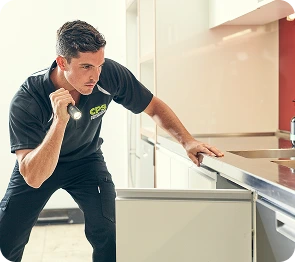
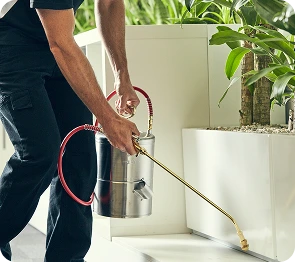
CPS can inspect roof voids, garages, storage areas, kitchens, warehouses, and entry points to identify rodent risks and provide a structured prevention plan before activity becomes a larger health, hygiene, or property issue.
Call 1300 766 614 or visit competitivepestcontrol.com.au.