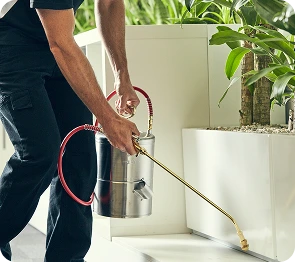
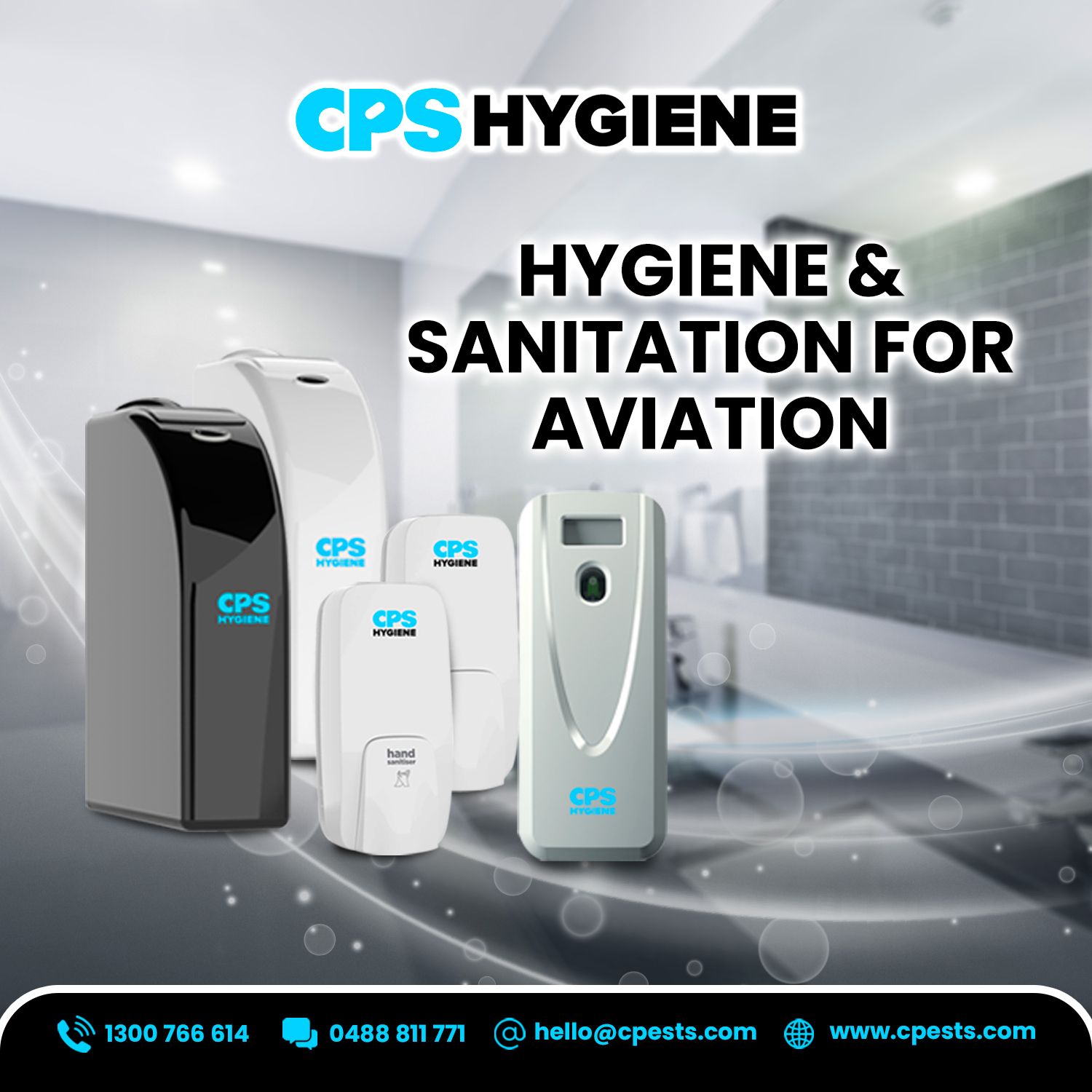
In aviation environments, hygiene and sanitation are far more than presentation standards. They are essential parts of passenger safety, operational continuity, and public health management.
Aircraft cabins, airport terminals, lounges, and aviation service areas experience constant movement of people, food, luggage, and equipment every day. Combined with confined onboard spaces and high-touch environments, this creates unique hygiene challenges that require consistent management.
Unlike many ground environments, there are very limited alternatives once a hygiene issue occurs during a flight. Passengers cannot simply leave the space or avoid exposure easily once airborne. This is why maintaining strong hygiene and sanitation standards across aviation environments is critical.
Why Aviation Environments Carry Higher Hygiene Risks
Aviation environments operate differently from most commercial spaces. Aircraft cabins are enclosed environments with close seating arrangements, shared facilities, and constant passenger interaction throughout the journey.
Passengers frequently come into contact with:
- touchscreens and service areas
At airports and terminals, large volumes of people move through shared environments continuously, increasing contact with high-touch surfaces and common spaces.
In addition, aviation environments involve:
- waste collection and disposal
- international and domestic passenger turnover
These conditions increase the importance of maintaining strong sanitation practices to help reduce contamination risks and maintain safer travel environments.
The Importance of Hygiene and Sanitation Onboard
Maintaining hygiene onboard aircraft is essential for both passenger wellbeing and operational reliability.
Because passengers remain within a confined environment for extended periods, hygiene issues can affect multiple individuals simultaneously if not managed properly.
Effective onboard sanitation helps reduce:
- cross-contamination risks
- spread of bacteria and viruses
- unpleasant odours and unsanitary conditions
- passenger discomfort and complaints
This is why regular cleaning and sanitation procedures are important throughout aviation operations, including:
- sanitation of high-touch surfaces
- lavatory cleaning and maintenance
- safe food handling practices
- proper waste disposal procedures
- cabin cleaning between flights
Clean and hygienic environments also contribute significantly to passenger confidence and overall travel experience.
Hygiene Risks Across Airport and Ground Facilities
Hygiene management in aviation extends beyond the aircraft itself.
Airport terminals, lounges, baggage handling areas, catering facilities, and staff zones all experience continuous operational activity and high foot traffic.
Without proper sanitation practices, these environments may become vulnerable to:
- unpleasant passenger experiences
- accumulation of waste and moisture
Ground facilities require ongoing environmental hygiene management to maintain cleaner operational conditions across both passenger-facing and restricted areas.
Pest Risks in Aviation Environments
Large aviation facilities naturally create conditions that can attract pests if environmental hygiene is not managed consistently.
Common pests associated with aviation environments include:
Factors contributing to pest risks may include:
- food waste and disposal areas
- storage and cargo handling spaces
- loading docks and access points
- moisture-prone service areas
- large operational facilities with continuous movement
Pest activity in aviation environments is not only a hygiene concern, but also a potential operational risk. Contamination, damaged materials, and unsanitary conditions can affect both facility management and passenger experience.
This is why proactive pest monitoring and sanitation management are important components of aviation operations.
Bird Control in Aviation Facilities
Bird activity is a significant concern in many airport and aviation environments.
Birds are commonly attracted to:
While bird presence may appear harmless, bird droppings and feathers can carry bacteria, fungal spores, and other pathogens that may contaminate surfaces and surrounding environments.
These contaminants may affect:
- outdoor operational zones
- building surfaces and equipment
In aviation settings, bird activity may also interfere with airport operations and aircraft safety if not managed appropriately.
Professional bird management strategies help reduce these risks while supporting cleaner and safer aviation environments.
The Role of Professional Hygiene, Sanitation and Pest Management
Maintaining hygiene standards in aviation environments requires a structured and proactive approach.
Professional hygiene and pest management services help support:
- routine sanitation programs
- targeted disinfection procedures
- environmental hygiene monitoring
- waste management coordination
- proactive pest monitoring and control
A proactive strategy helps aviation facilities reduce preventable hygiene risks while supporting safer passenger experiences and smoother daily operations.
Aviation environments require a higher level of hygiene and sanitation management due to confined onboard conditions, constant passenger movement, and high-touch operational spaces.
Unlike many other environments, hygiene incidents onboard aircraft can be significantly more difficult to manage once a flight is in progress. This makes proactive sanitation, environmental hygiene, and pest management essential parts of aviation safety and operational continuity.
From terminals and lounges to aircraft cabins and service areas, maintaining cleaner and well-managed environments helps support passenger confidence, operational reliability, and overall public health protection.
Book a pest inspection today; call us or visit us at https://competitivepestcontrol.com.au/