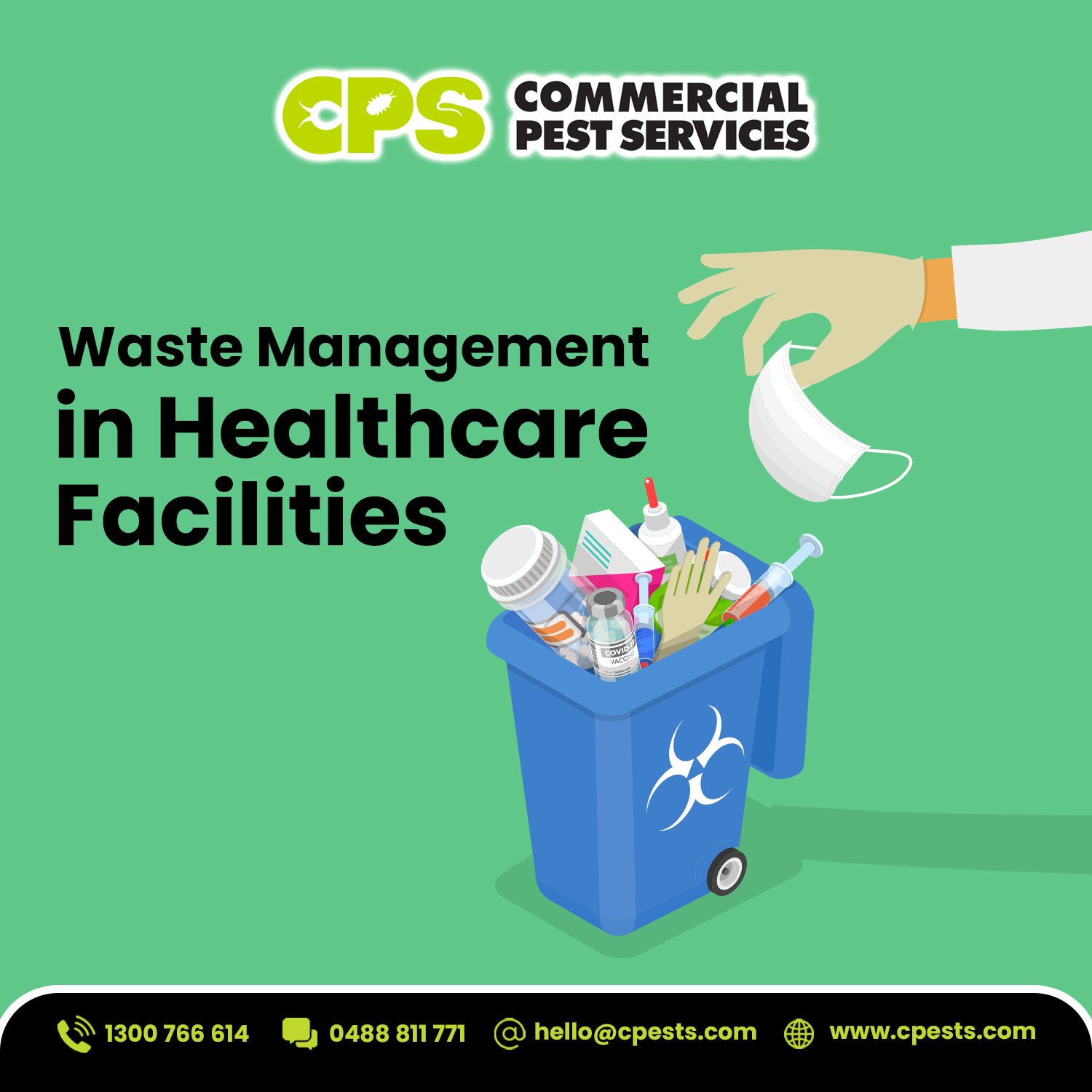
Healthcare facilities generate large volumes of waste every day, from used PPE and contaminated dressings to sharps, pharmaceutical waste, and bodily fluids. While waste removal is often viewed as a routine operational task, healthcare waste management plays a far more important role in protecting patients, staff, and public health.
Improper handling, storage, or disposal of healthcare waste may contribute to healthcare-associated infections (HAIs), workplace injuries, environmental contamination, and broader infection risks beyond the facility itself.
As healthcare environments continue facing stronger hygiene expectations and stricter compliance standards, effective waste management has become an essential part of modern infection prevention and control (IPC) strategies.
The Connection Between Waste Management and Infection Prevention
Healthcare waste may contain pathogens capable of spreading infection if not managed correctly.
This includes:
- infectious laboratory materials
- pharmaceutical and chemical waste
When waste is improperly segregated, transported, or stored, pathogens may spread through contaminated surfaces, accidental exposure, needle-stick injuries, waste handling processes, and poorly maintained waste storage areas. Such actions affects not only healthcare workers, but also patients, cleaning staff, waste handlers, contractors, and visitors.
Poor waste management may increase the likelihood of healthcare-associated infections while also exposing staff to bloodborne pathogens and other contamination risks.
This is why healthcare waste management is now viewed as a critical component of broader infection prevention systems rather than simply a disposal process.
Different Types of Healthcare Waste Require Different Handling
Not all healthcare waste carries the same level of risk.
Healthcare facilities typically manage several categories of waste, including infectious waste, sharps, pharmaceutical waste, chemical waste, pathological waste, and general waste. When handling the waste, proper classification and segregation are essential because they help:
- reduce cross-contamination
- minimise unnecessary exposure
- lower treatment requirements
- maintain regulatory compliance
Most healthcare facilities use colour-coded waste segregation systems to ensure waste is separated correctly at the point of generation.
Accurate segregation also helps reduce the volume of waste requiring high-level infectious treatment, improving both operational efficiency and environmental outcomes.
What Effective Healthcare Waste Management Should Include
Modern healthcare waste management relies on structured systems designed to reduce infection risks and improve safety across the facility.
Segregation at the Point of Generation
Waste should be separated immediately where it is produced using clearly labelled and colour-coded containers.
This helps prevent cross-contamination, reduce accidental exposure, improve transport safety, and ensure appropriate treatment methods are used. Poor segregation practices may result in general waste becoming contaminated unnecessarily, increasing both risk and disposal costs.
Safe Sharps Disposal
Sharps management is one of the most important components of healthcare waste safety.
Needles and other sharp instruments should be disposed of immediately into puncture-resistant sharps containers located close to the point of care.
Effective sharps management helps reduce needle-stick injuries, bloodborne pathogen exposure, and accidental handling incidents. Accessible sharps containers and clear disposal procedures are critical for protecting healthcare workers and support staff.
Secure Storage and Clear Labelling
Temporary waste storage areas should be secure, properly ventilated, clearly labelled, and restricted from unauthorised access. In contrast, improper storage conditions may increase contamination risks, pest activity, odour issues, and accidental exposures.
Maintaining organised and controlled storage areas helps reduce environmental hygiene risks throughout the facility.
Staff Training and PPE
Even the strongest waste management systems rely on proper staff training.
Healthcare workers and waste-handling personnel should receive regular training on waste segregation procedures, PPE usage, spill response protocols, incident reporting and safe transport practices.
Clear procedures help reduce human error, which remains one of the most common causes of contamination and exposure incidents. Appropriate PPE also helps minimise occupational risks during waste handling and disposal processes.
Monitoring, Documentation and Compliance
Healthcare waste management requires clear documentation and regular monitoring to maintain compliance and operational consistency.
Facilities commonly rely on:
- Standard Operating Procedures (SOPs)
- Incident Reporting Systems
Documented systems improve accountability while helping facilities identify areas requiring corrective action or operational improvement. Strong recordkeeping also supports regulatory compliance and audit readiness.
Waste Management Should Work Alongside Infection Control
Healthcare waste management is most effective when integrated into broader infection prevention and control programs.
Waste handling should work alongside:
- environmental cleaning schedules
Coordinating waste removal with cleaning and environmental hygiene processes helps reduce opportunities for cross-contamination throughout the facility.
Accurate waste segregation also helps minimise the volume of infectious waste requiring specialised treatment, reducing handling complexity and exposure points.
Rather than functioning separately, waste management should support the overall hygiene and infection prevention strategy of the healthcare environment.
Why Regulations and Compliance Standards Matter
Healthcare waste management is heavily regulated because of its direct impact on Public Health, Workplace Safety, Environmental Protection, and Infection Prevention.
International guidance from organisations such as the World Health Organization outlines best practices for safe healthcare waste management, treatment, and disposal.
Healthcare facilities must also comply with local environmental and public health regulations when it comes to waste segregation, storage, transportation, treatment methods, disposal procedures. Licensing requirements for waste treatment and transport providers are especially important for ensuring infectious materials are handled safely and legally.
Compliance is not only a regulatory responsibility, instead it is also essential for maintaining patient trust and safer healthcare operations.
Supporting Safer Healthcare Environments Through Environmental Management
Modern healthcare facilities increasingly rely on integrated environmental management systems to support safer and cleaner operations.
This may include:
- structured sanitation programs
- environmental hygiene monitoring
- scheduled waste management support
- pest prevention strategies
Waste management, sanitation, and environmental hygiene all work together to reduce infection risks and support safer healthcare environments.
For healthcare facilities, proactive environmental management helps support:
- infection prevention goals
- long-term hygiene standards
As healthcare expectations continue evolving, environmental hygiene and waste management are becoming increasingly connected to overall patient safety outcomes.
Healthcare waste management is far more than a disposal process.
It is a critical part of infection prevention, workplace safety, environmental protection, and public health management.
Improper waste handling may increase contamination risks, contribute to healthcare-associated infections, and expose staff and patients to preventable hazards.
By implementing structured waste segregation, secure handling systems, staff training, compliant disposal methods, and integrated hygiene programs, healthcare facilities can significantly reduce infection risks while supporting safer and more efficient operations.
As healthcare standards continue evolving across Australia and New Zealand, proactive healthcare waste management remains essential for protecting both people and healthcare environments.
Book your free pests assessment with CPS today !