Send us a message and one of our specialists pest managers will be in touch
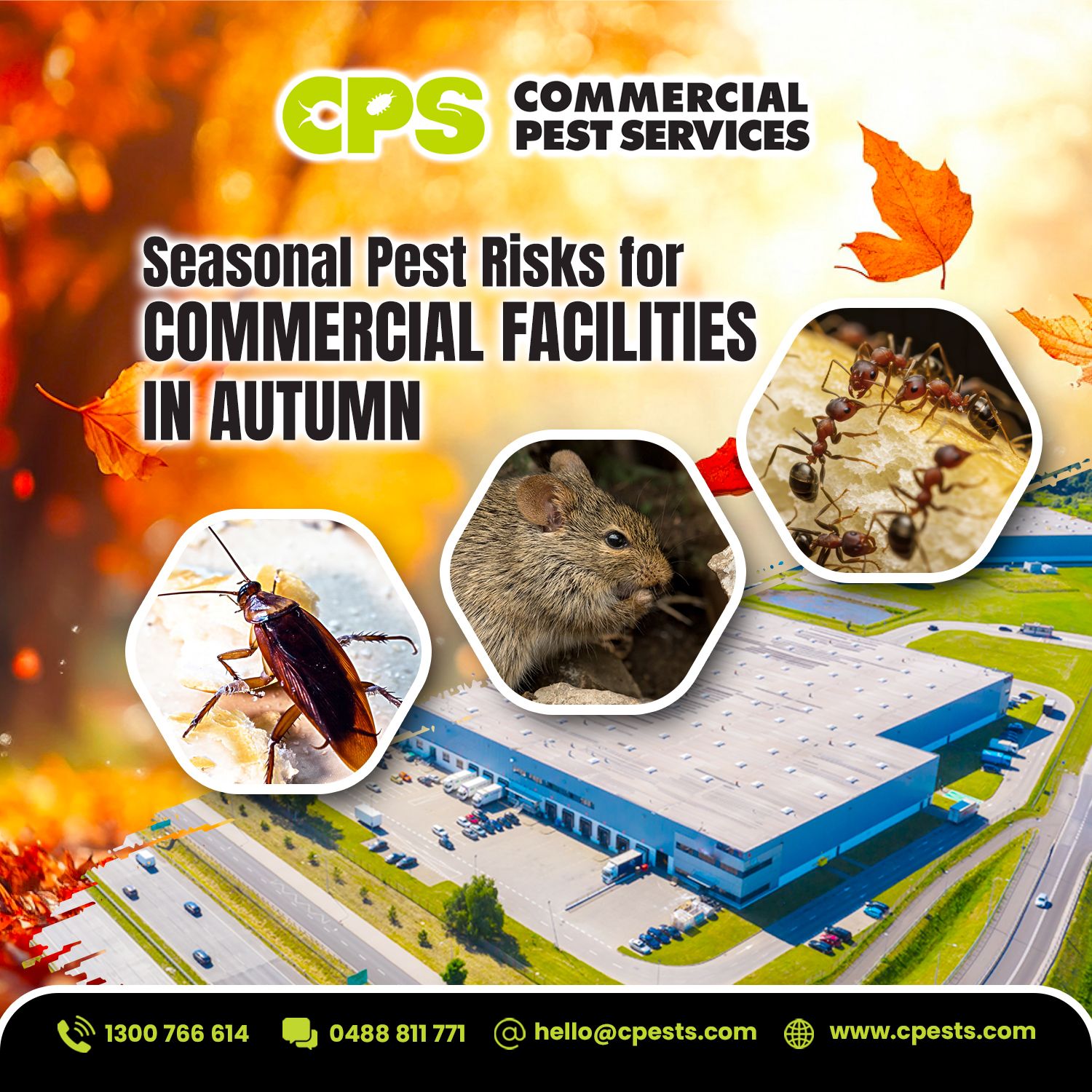
Seasonal Pest Risks for Commercial Facilities in Autumn
May 31, 2026
Why Does Autumn Change Pest Activity? As temperatures begin to cool during autumn, many pests search for warm indoor spaces where they can shelter and build colonies. Commercial properties often become ideal environments because they provide food, moisture, warmth, and hidden nesting areas. Some of the most common pests found in commercial facilities during autumn […]
Why Does Autumn Change Pest Activity?
As temperatures begin to cool during autumn, many pests search for warm indoor spaces where they can shelter and build colonies. Commercial properties often become ideal environments because they provide food, moisture, warmth, and hidden nesting areas.
Some of the most common pests found in commercial facilities during autumn include rodents, cockroaches, and ants.
These pests are attracted to commercial buildings for several reasons:
Waste areas often contain food scraps and debris.
Kitchens and storage areas provide easy access to food and water.
Skirting boards, cracks, and hidden gaps create safe hiding places for insects.
Rodents usually shelter in dark and undisturbed areas such as sewers, roof spaces, attics, storage rooms, and wall cavities. Commercial facilities offer easy access to food sources and protection from outdoor weather conditions.
Signs of rodent activity may include:
Gnaw marks
Droppings
Strong ammonia-like odours
Damaged packaging
Rodents can also create serious health risks by spreading diseases such as Salmonella, Leptospirosis, and Hantavirus. Their presence may also worsen allergies and asthma symptoms in workplaces.
Cockroaches are another common autumn pest in commercial facilities. They are usually found in warm, damp, and food-handling areas such as kitchens, storage rooms, laundries, and behind appliances.
The two most common cockroach species found in Australia are the German cockroach and the American cockroach. Although they are often confused, each species behaves differently and prefers different environments.
Feature
German Cockroach (Blattella germanica)
American Cockroach (Periplaneta americana)
Prevalence
Most common indoor pest in Australia
Common indoor and outdoor pest
Size
Small (12–16 mm)
Large (35–50+ mm)
Appearance
Light brown with two dark stripes behind the head
Reddish-brown with a pale yellow band behind the head
Habitat
Kitchens, bathrooms, laundries, indoor areas near water
Sewers, drains, subfloors, garden mulch
Flight
Rarely flies, moves quickly
Can fly short distances
Infestation Risk
High breeding rate and difficult to control
Often enters from outdoor areas searching for water
Ants are also common during autumn because they are attracted to sugary foods, crumbs, spills, pet food, and unwashed dishes. Many ant species build nests near foundation walls, driveways, garden beds, and outdoor concrete areas.
Common ant species in Australia include:
Black ants
Red ants
Fire ants
Argentine ants
Among these species, fire ants are considered one of the most aggressive because their stings can cause painful, itchy blisters. Some ant species can also establish large colonies quickly if food and moisture are easily available.
Autumn Prevention Steps
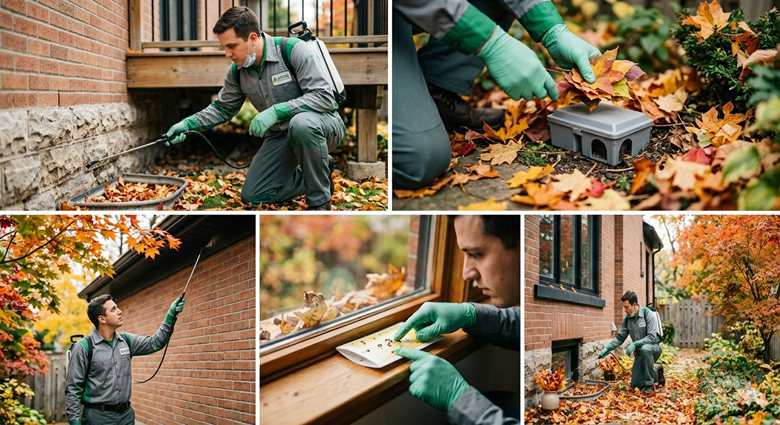
Commercial facilities can reduce autumn pest risks by following simple preventative measures:
Seal cracks, gaps, and service penetrations around the building.
Keep doors closed and install door sweeps or screens where necessary.
Empty waste bins regularly and store rubbish in sealed containers.
Clean spills immediately and keep storage areas dry.
Rotate stock regularly so older inventory does not remain untouched.
Inspect incoming deliveries before placing goods into storage.
Train staff to report pest sightings or warning signs quickly.
Why Monitoring Matters
Pest control works best when prevention, sanitation, and monitoring are combined into an ongoing process.
Routine inspections help identify early warning signs before pests spread through stock, kitchens, offices, or storage areas. This is especially important during autumn because cooler weather can cause sudden increases in indoor pest activity.
Regular monitoring also helps businesses:
Reduce contamination risks
Protect stock and equipment
Maintain workplace hygiene
Support compliance requirements
Avoid larger infestations later
When to Call a Professional Pest Control Provider
If your facility experiences repeated pest sightings, damaged stock, droppings, unusual odours, or pest activity across multiple areas, professional inspection is often the fastest and safest solution.
Commercial pest management programs are most effective when they are tailored to:
The building structure
Seasonal pest behaviour
Industry requirements
High-risk areas within the facility
Professional inspections can also help identify hidden nesting areas, entry points, and sanitation issues before the infestation becomes more severe.
Commercial Autumn Pest Audit Checklist
1. Building Exterior Inspection
Entry Points
☐Inspect cracks around walls, foundations, and concrete joints
☐Check gaps around pipes, cables, and service penetrations ☐Inspect damaged vents, roof gaps, and loose cladding ☐Confirm door seals and sweeps are intact ☐Check windows for gaps or damaged screens
Outdoor Conditions
☐Remove standing water near the building ☐Trim vegetation touching external walls ☐Inspect garden beds and mulch for ant nests ☐Check waste disposal areas for food debris ☐Ensure outdoor bins have sealed lids
2. Waste Management Areas
☐Inspect rubbish rooms for spills or food residue ☐Confirm bins are emptied regularly ☐Check for strong odours or pest droppings ☐Inspect corners and hidden areas for cockroach activity ☐Ensure cardboard and waste are not stored excessively
3. Kitchens and Food Handling Areas
☐Inspect under sinks for moisture or leaks ☐Check behind appliances for grease buildup ☐Look for cockroach droppings or egg casings ☐Inspect the pantry and dry storage shelves for food contamination ☐Confirm food containers are sealed properly ☐Check floor drains and damp areas for pest activity
4. Storage Rooms and Warehouses
☐Inspect pallets and incoming deliveries for pest signs ☐Rotate older stock regularly ☐Check for gnaw marks on packaging or shelving ☐Look for rodent droppings near walls and corners ☐Ensure storage areas remain dry and uncluttered ☐Inspect dark and undisturbed areas behind stored goods
5. Office and Staff Areas
☐Check staff kitchens and break rooms for food waste ☐Inspect ceiling spaces and wall cavities for scratching sounds ☐Look for ant trails near desks or kitchenettes ☐Confirm cleaning schedules are maintained consistently ☐Check indoor plants and damp areas for insect activity
6. Rodent Warning Signs
☐Droppings near walls, storage areas, or kitchens ☐Gnaw marks on cables, packaging, or timber ☐Strong ammonia-like odours ☐Grease marks along walls or corners ☐Scratching noises in ceilings or wall cavities ☐Nesting materials such as paper, fabric, or insulation
7. Cockroach Warning Signs
☐Live cockroach sightings during the day ☐Small dark droppings near food areas ☐Egg casings around appliances or storage areas ☐Musty odours in kitchens or cupboards ☐Activity near drains, dishwashers, or warm equipment
8. Ant Activity Warning Signs
☐Visible ant trails near food or water sources ☐Small dirt mounds near foundations or pathways ☐Activity around sugary spills or rubbish bins ☐Ant movement near windows, doors, or wall gaps
9. Compliance and Monitoring Review
☐Review recent pest control service reports ☐Confirm monitoring stations are active and undamaged ☐Check whether corrective actions were completed ☐Ensure pest sightings are documented internally ☐Verify staff understand reporting procedures
10. When Immediate Action Is Needed
Arrange a professional inspection immediately if you identify: ☐Repeated pest sightings ☐Rodent droppings or nesting activity ☐Damaged stock or packaging ☐Pest activity across multiple areas ☐Strong odours linked to infestation ☐Signs of rapid pest spread
Autumn pest activity can escalate quickly in commercial facilities if hidden structural risks are ignored. Routine inspections help businesses identify early warning signs before infestations affect hygiene, stock, compliance, or daily operations.
Protect your facility before autumn pest activity turns into a costly infestation.
Book a professional commercial pest inspection with Competitive Pest Control and keep your property clean, compliant, and protected throughout the season.
We acknowledge the Traditional Custodians of Country throughout Australia and their connections to land, sea, and community.
We pay our respect to their Elders past and present and extend that respect to all Aboriginal and Torres Strait Islander peoples today.