
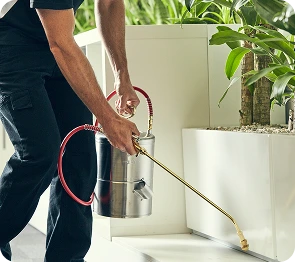
General Pests and Pest Control
Some of the most common household pests include cockroaches, ants, spiders, termites, rodents, bed bugs, fleas, ticks, flies, and wasps. Each pest presents different risks to homes and businesses.
Learn more about top 10 common household pests in Australia.
Most homes benefit from annual pest control, while businesses may require more frequent visits depending on industry requirements and pest risks.
Learn more about how often businesses should inspect and treat pests.
Yes. Professional pest control helps prevent infestations, protects property, and often reduces the cost of dealing with larger pest problems later.
Results vary depending on the pest, property conditions, and environmental factors. Many general pest treatments provide protection for several months.
Professional pest controllers use products that are approved for pest management and applied according to strict industry guidelines. The products selected depend on the target pest, property type, and treatment requirements.
When applied correctly by trained professionals, pest control products are designed to be used safely and effectively while minimising risks to people, pets, and the environment.
Read more about pest control products that are safe for pets.
It depends on the treatment. For general sprays, you may only need to stay out for 1-2 hours. For more intensive treatments, we will give you a specific time frame.
Yes. Different pests become more active during different times of the year, which is why seasonal pest management can be beneficial.
Read more about seasonal pests in Australia. Explore what can you do each season with our seasonal pest checklist.
Common signs; droppings, damage to food packing, chewed wires, unusual sounds in the walls or actual pests. When in doubt, book an inspection. It’s better to know early.
Read more about early signs of infestations at home or business.
Pests can enter homes through event the smallest gaps and openings. Common entry points include cracks in walls, gaps around doors and windows, roof voids, vents, and utility penetrations such as pipes and cables.
Summer often brings increaesed activity from cockroaches, ants, flies, mosquitoes, and spiders due to warmer temperatures and greater access to food and water. Read more about common pests during summer in Australia.
You might also be interested how warm temperature influence cockroach activity.
Rodents frequently seek warmth and shelter indoors during winter. Some spiders and cockroaches may also move indoors as temperatures drop.
Explore how homeowners can pest-proof their homes before winter; A room-by-room checklist.
Termite Control
Termite can cause significant structural damage before they are detected. Regular inspections help identify activity early and protect your property.
Termites are attracted to moisture, timber, and suitable nesting conditions. Poor drainage, leaking pipes, and timber-to-soil contact can increase the risk of termite activity.
Regular termite inspections, moisture management, and reducing timber contact with soil can help lower the risk of termite infestations.
Regular termite inspections are recommended to help detect activiytty early and identify conditions that may attract termites.
Termite Control
Termites can cause significant structural damage before they are detected. Regular inspections help identify activity early and protect your property.
Termites are attracted to moisture, timber, and suitable nesting conditions. Poor drainage, leaking pipes, and timber-to-soil contact can increase the risk of termite activty. Read more.
Regular termite inspections, moisture management, and reducing timber contact with soil can help lower the risk of termite infestations.
Regular termite inspections are recommended to help detect activity early and identify conditions that may attract termites.
No. Most home insurance policies exclude termite damage because it is considered preventable. Regular termite inspections are recommended for your homes and business.
Ant Control
Fire ants are typically reddish-brown and smaller than many common ant species. They are known for their aggressive behaviour and painful stings.
White vinegar may temporarily disrupt ant trails, but it does not eliminate the colony and is unlikely to solve an infestation.
Ants dislike strong scents such as vinegar, citrus, and peppermint. However, these methods usually provide short-term detterance rather than long-term control.
Black ants often enter homes searching for food, water or shelter. Even small crumbs and moisture sources can attract them.
Rain drives ants to higher, drier ground, often inside your home. They are mostly in search of dry shelter, food, and water sources.
Cockroach Control
Cockroaches are attracted to food scraps, moisture, clutter, rubbish, and warm hiding places.
Probably yes. Cockroaches are noctuaral and hide well. If you see one during the day, you might want to book an inspection to see if there is an infestation nearby.
A cockroach infestation usually indicates that food, water, shelter are available nearby, allowing populations to grow.
Successful cockroach control typically involves harbourage areas, improving sanitation, and using targeted professional treatments.
Yes. German cockraoches breed fast, and are resistant to many surface-level sprays, and harder to elimiate. They need specific treatment protocals.
Spider Control
Australia is home to various spider species. Howver, only a few species such as Sydney funnel-web spiders, redback spiders, mouse spiders, australian tarantulas, and white tail spiders are venomous and hazardous to humans and pets.
As temperatures drop, spiders move indoors seeking warmth. If you see more webs and more activity near windows, light sources, contact CPS for inspection.
Huntsman spiders often enter homes seeking shelter, food, or protection from changing weather conditions.
Some repellents may discourage spiders temporarily, but they rarely provide long-term control without addressing underlying attractants.
Rodent Control
Rodents often enter through gaps, around doors, utility pipes, vents, roof spaces, damaged walls, and small openings around the exterior.
Learn more about rodents.
Mice reproduce quickly and can produce multiple litters each year, allowing populations to grow rapidly if left unmanaged.
Not always, but seeing multiple mice may indicate additional rodents are present. An inspection can help determine the extent of activity.
Most likely rats. A professional inspection will confirm definiately and recommend the ideal treatment for different types of rodents.
Rodents can squeeze through a gap the size of a 20-cent coin. Common entry points: gaps unders doors, around pipes, in roof tiles, and through wall cavities.
Bed Bugs
Bed bug bites often appear as small red, itchy bumps that may occur in clusters or lines on exposed skin.
Bed bugs commonly hide in mattresses, bed frames, furniture joints, headboards, and cracks close to sleepin areas.
Common signs include itchy bite marks, small blood spots on bedding, dark spotting around mattress seams, and visible bed bugs in hiding areas.
Cricket Control
Crickets may enter buildings searching for warmth, moisture, shelter, or food. Outdoor lighting can also attract them at night.
Most crickets live for several weeks to a few months, depending on the species and environmental conditions.
Read more about crickets here.
Male crickets chirp to attract mates and establish territory. Their calls are usually more noticeable during the evening.
Bird Control
Pigeon become pests when large populations create hygiene issues, property damage, or safety concerns around buildings.
Bird lice may occasionally land on people, but they cannot live or reproduce on humans and usually die without their bird host.
Bird mitigation services help manage bird activity using humane methods that reduce nesting, roosting, and property damage.
Pets and Pest Hazards
Ticks attach to animals while feeding and can cause irritation or discomfort. Regular checks and preventative measures can help reduce exposure.
Read more about the difference between ticks and fleas. Learn how to prevent against them and how they are dangerous to pets.
Certain spider species may pose risks if a pet is bitten. Pet owners should monitor unusal symptoms like trouble breathing, drooling, and seek veterinary advice if you assume your pets get bitten.
Read more about venomous spiders in Australia and what to do if your pet is bitten by one.
Professional pest management programs are designed to be used safely when applied according to label instructions and professional recommendations.
Pest Risks and Commercial Industries
Warehouses often provide food sources, storage materials, shelter, and multiple entry points that can attract rodents, birds, and stored product pests.
Rodents, birds, cockroaches, ants, and stored product pests are among the most common pests found in warehouse environments.
Pests can contaminate food, food preparation surfaces, and storage areas. Effective pest management helps support food safety standards and reduce contamination risks.
Effective waste management helps maintain hygiene standards, reduce contamination risks, and minimize conditions that attract pests.
Read more about how waste management play a vital role in pest management at hospitals and healthcare facilities.
Pest activity may create hygiene concerns that can impact operational and compliance requirements within healthier environments.
Pest management is now considered as a part of Infection Prevention and Control(IPC) protocols. Read More.
Yes. Pests may contribute to contamination risks, food safety concerns, structural damage, disease transmission. In addition, improper use of DIY pesticides may also create additional risks for household members, pets, and the environment.
Read more about health risks of pest infestations.
Good hygiene helps reduce food, water, and shelter sources that attracts pests. Combined with professional pest control, it forms an important part of preventative pest management strategy.
Other Industry Insights
Yes. Many pest species form part of natural food chains and contribute to ecological processes such as decomposition and nutrient cycling. Read more about the role of pests in ecosystem.
Sustainable pest management focuses on preventing pest activity while reducing unnecessary environmental impact through monitoring, targeted treatments, and lower-toxicity methods.
Integrated Pest Management (IPM) is a preventive pest management approach that combines monitoring, environmental management, sanitation, and targeted treatment strategies to minimize excessive chemical use.
Businesses increasingly face stronger environmental, compliance, and public health expectations. ESG-aligned pest management supports transparency, sustainability, workplace safety, and environmental responsibility.
Read more about pest control as a part of ESG guidelines for business.
A professional pest treatment typically begins with a thorough inspection to identify pest activity, entry points, and contributing conditions. Based on the findings, a trailored treatment plan is applied using appropriate pest management methods. Your Technician may also provide recommendations to reduce future pest risks and support long-term pest prevention.
Explore more about professional pest management and what to expect.
Yes, all CPS technicians are qualified pest managers, directly employed, not subcontractors. And we have won the Australian Pest Managers of the Year four times so we take this seriously.