Send us a message and one of our specialists pest managers will be in touch
Learn More About Ticks and Fleas: What Every Homeowner and Pet Owner Should Know
June 29, 2026
Ticks and fleas may be small, but they can quickly become frustrating pests around homes and outdoor spaces. These blood-feeding parasites often affect pets first, yet they can also create discomfort for people and become difficult to manage. As a result, understanding ticks and fleas is an important part of effective pest prevention. Many people […]
Ticks and fleas may be small, but they can quickly become frustrating pests around homes and outdoor spaces. These blood-feeding parasites often affect pets first, yet they can also create discomfort for people and become difficult to manage. As a result, understanding ticks and fleas is an important part of effective pest prevention.
Many people assume tick and flea problems only affect neglected properties. However, even clean and well-maintained homes can experience pest activity. By learning where ticks and fleas hide and how they spread, homeowners can take simple steps to reduce the risk of infestations.
What Are Ticks and Fleas?
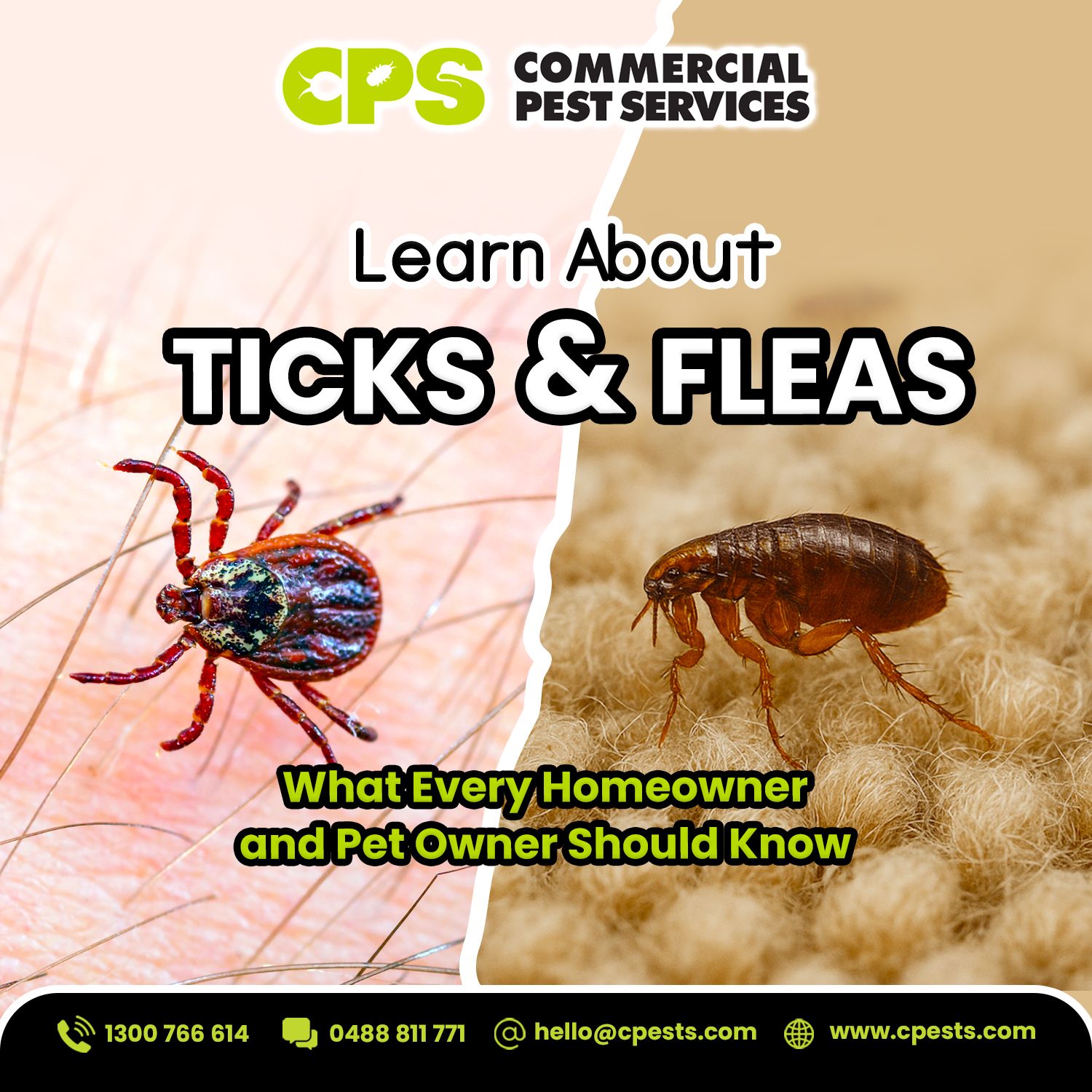
Although ticks and fleas often appear together in discussions, they are very different pests. Both survive by feeding on blood, yet they have different behaviours, habitats, and life cycles. Nevertheless, they share one important trait: they can create ongoing problems if left unmanaged.
Fleas are tiny wingless insects that move by jumping from one host to another. They commonly live on pets, but they can also survive in carpets, furniture, bedding, and cracks around the home. Consequently, a flea infestation may continue even when pets are not present.
Ticks are external parasites that attach themselves to animals and occasionally people. Unlike fleas, ticks do not jump or fly. Instead, they wait on vegetation and attach to a host when it brushes past them.
Why Are Ticks and Fleas Common in Australia?
Australia’s climate provides favourable conditions for many pest species, including ticks and fleas. Warm temperatures and suitable humidity levels help these pests survive and reproduce throughout much of the year. Therefore, homeowners often encounter tick and flea activity during outdoor activities and warmer seasons.
Pets frequently bring fleas and ticks onto residential properties. Furthermore, wildlife such as possums, rodents, and birds can introduce these pests into gardens and outdoor areas. Consequently, properties located near bushland or parks may face greater exposure.
Importantly, tick and flea infestations do not always indicate poor hygiene. Even clean homes can experience problems when pests enter from outdoor environments. Therefore, prevention and monitoring remain essential regardless of property condition.
Signs You May Have Ticks or Fleas
Early detection plays an important role in flea prevention and tick prevention. The sooner homeowners identify pest activity, the easier it becomes to address the issue before it spreads. Therefore, recognising common warning signs can help prevent larger infestations.
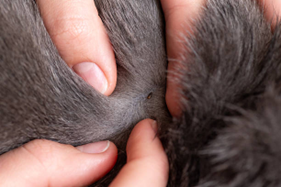
Pets often provide the first clue that fleas are present. Excessive scratching, biting, or grooming may indicate flea activity. Additionally, small dark specks in pet fur, often called flea dirt, can signal a flea infestation.
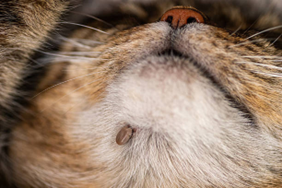
Tick activity can be more difficult to detect. Homeowners may notice ticks attached to pets after outdoor walks or time spent in gardens. Likewise, unusual pet behaviour, irritation, or discomfort may indicate the presence of ticks.
How Ticks and Fleas Affect Pets and People
Ticks and fleas can affect both pets and people in different ways. While most encounters result in irritation and discomfort, persistent pest activity can create ongoing challenges. Consequently, early pest management remains important for protecting households and pets.
For pets, flea bites often lead to itching, scratching, and skin irritation. In severe cases, constant scratching may damage the skin and cause further discomfort. Likewise, ticks can attach for extended periods and create additional health concerns for animals.
People may also experience itchy bites and skin irritation following exposure to ticks or fleas. Furthermore, repeated pest activity can affect comfort levels inside the home. Therefore, many homeowners prioritise tick prevention and flea prevention as part of their overall pest management strategy.
Ticks vs Fleas: A Quick Comparison
Features
Fleas
Ticks
Appearance
Tiny wingless insects
Small spider-like parasites
Movement
Jump from host to host
Crawl and attach to hosts
Common Location
Pets, carpets, beddings, furniture
Long grass, gardens, and shrubs
Main Food Source
Blood from animals and people
Blood from animals and people
Sign of Activity
Scratching, flea dirt, bites
Visible ticks on pets or skin
Common Hiding Places
Rugs, Furnitures, and pet beddings
Vegetation, Leaf litter, and garden areas
Prevention Focus
Indoor Cleaning and Pet Treatment
Outdoor Maintenance and pet checks
Flea Prevention Tips
Flea prevention focuses on maintaining clean living areas and regular pet care.
Maintaining a Clean Living Environment – Regular vacuuming, inspecting and removing flea eggs and debris from carpets, rugs, and furniture, and washing pet bedding frequently
Pet Care – Regular grooming and veterinary flea treatments for additional protection against infestations.
Homeowners should also pay attention to areas where pets spend most of their time. By reducing flea activity indoors, it becomes easier to prevent larger infestations from developing.
Tick Prevention Tips
Tick prevention focuses primarily on outdoor areas.
Keeping Outdoor Areas Clean – Trimming lawns, grass, and vegetation regularly
Reducing Ticks Hiding Places – Removing leaf litter and get rid of garden clutter
Taking Care of Pets – Checking pets after walks, outdoor play or visiting parks or bushland areas.
Regular property maintenance also improves visibility around gardens and outdoor spaces. Consequently, homeowners can spot potential pest issues more easily.
When Professional Pest Management Can Help
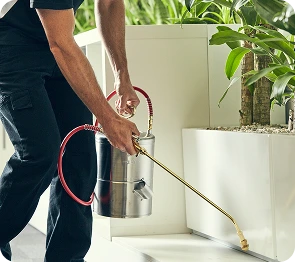
Some tick and flea problems require professional support. Recurring infestations, hidden pest activity, or larger properties may benefit from expert pest management services. Therefore, homeowners should consider professional assistance when prevention efforts are no longer enough.
Professional pest management helps identify the source of ongoing infestations. Additionally, pest professionals can recommend targeted solutions based on the property’s specific conditions. As a result, homeowners can address both current activity and future risks.
Routine inspections also support long-term pest prevention. Rather than reacting after infestations occur, proactive pest management focuses on reducing the likelihood of future pest problems.
Ticks and fleas may be small, but they can create significant challenges for homeowners and pet owners.
However, by combining regular cleaning, property maintenance, pet care, and routine inspections, homeowners can reduce tick and flea activity significantly. Furthermore, professional pest management can provide valuable support when needed.
Together, these measures help create a safer and more comfortable environment for people and pets alike.
Contact CPS today to arrange a professional inspection and tailored treatment plan.
We acknowledge the Traditional Custodians of Country throughout Australia and their connections to land, sea, and community.
We pay our respect to their Elders past and present and extend that respect to all Aboriginal and Torres Strait Islander peoples today.