Send us a message and one of our specialists pest managers will be in touch
Bird Proofing and Compliance for Commercial Building
June 24, 2026
Bird proofing prevents pest birds from landing, roosting, nesting, and damaging your building. Using humane barriers, deterrents, and ongoing checks is effective in controlling birds. In Australia, solutions must comply with bird protection laws because many native birds, nests, eggs, and habitats are legally protected. Compliance Risks and How to Avoid Penalty Fees Disturbing protected birds, their nests, or young without permission can lead to […]
Bird proofing prevents pest birds from landing, roosting, nesting, and damaging your building. Using humane barriers, deterrents, and ongoing checks is effective in controlling birds. In Australia, solutions must comply with bird protection laws because many native birds, nests, eggs, and habitats are legally protected.
Compliance Risks and How to Avoid Penalty Fees
Disturbing protected birds, their nests, or young without permission can lead to fines and legal trouble. To avoid penalties, always use humane methods that comply with federal and state laws like the Environment Protection and Biodiversity Conservation.
Professional inspections ensure your bird control plan respects these laws by avoiding unlawful nest disturbance and handling protected Australian birds carefully.
Common Pest Birds Found in Urban Areas
Urban sites often face problems with pigeons, gulls, starlings, and sparrows. These bird species thrive on building ledges, roofs, gutters, and food sources. Their droppings cause hygiene issues and property damage, making effective bird control essential.
How to Identify Nesting Versus Roosting Behaviour
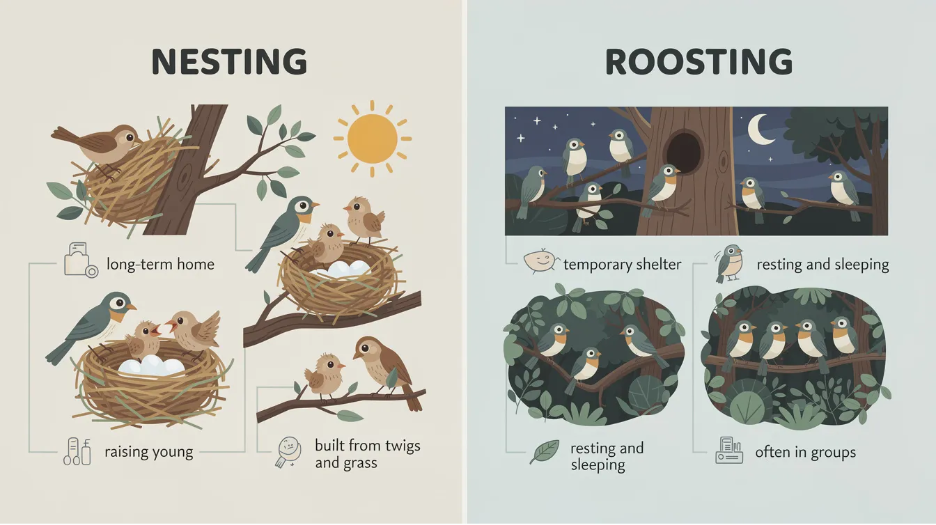
Nesting means birds build or maintain nests to lay eggs and raise young chicks. Signs include visible nests, eggs, chicks, nesting materials like twigs or feathers, and repeated visits by birds bringing food. Nesting usually happens in sheltered spots like roof voids, eaves, or trees.
Roosting involves birds resting or sleeping without nesting. Birds may gather in groups on ledges, wires, or trees, especially at dusk or night. Roosting areas often show droppings but lack nest structures or chicks. Understanding this difference helps tailor bird control: nests require legal protection, while roosting sites can be excluded more readily.
Why CPS Bird Proofing Works
CPS offers lasting bird control by:
Monitoring specific bird species and activity levels to choose effective measures.
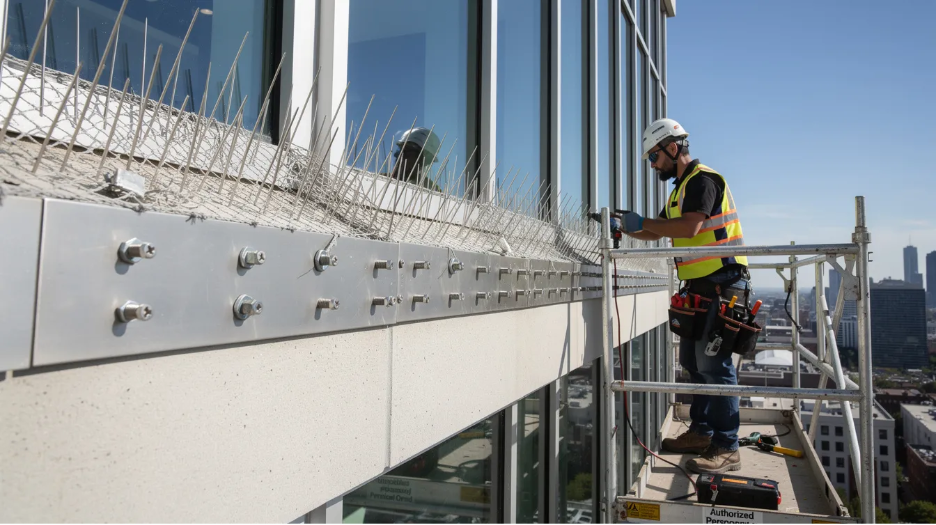
Installing long-term physical barriers like netting and spikes.
Planning with full compliance with bird protection laws.
Creating cleaner, safer sites by reducing health risks and property damage.
We combine physical exclusion and surface changes to make your site unattractive to Australian birds. Unlike quick scare tactics, CPS assesses bird flight paths, perching spots, food, and shelter to stop problems at the source.
How It Works
Step 1: Site Inspection
We inspect your property thoroughly, checking roofs, gutters, solar panels, signage, food areas, and nearby trees. We identify bird species, activity levels, nests, droppings, and attractants like food or water. This helps us design a compliant, species-specific plan.
Step 2: Barrier and Deterrent Plan
We use bird netting, spikes, electric deterrents, and visual or audio devices together for the best results.
Netting: prevents nesting in warehouses and loading docks. Spikes: stop perching on ledges. Electric deterrents: gently condition birds to avoid areas. Visual and audio: cues enhance effectiveness but work best combined with physical barriers.
Step 3: Installation and Maintenance
Our team installs systems considering safety, weather, building materials, and appearance. We also help reduce attractants by securing waste and removing standing water. Regular maintenance keeps barriers effective and compliant over time.
What Makes Us Different
We prioritize:
Compliance with Australian bird protection laws to avoid legal risks.
Humane, eco-friendly methods without harmful chemicals or traps.
Commercial-grade materials suited for your site’s conditions.
Whole-site analysis including food, water, shelter, and pest interactions.
Ongoing support to maintain system integrity and effectiveness.
Following bird protection laws is critical. “Illegal nest disturbance can cause fines, reputational harm, and wildlife damage.”
CPS ensures your bird control respects these rules.
Proof That It Works
Bird control is not guesswork. Well-designed exclusion and deterrent programs outperform temporary scare tactics.
Bird netting and barriers are commonly used to stop roosting and nesting under awnings, loading docks, warehouse canopies, and roof voids. In a grain packing facility, exclusion equipment achieved a 100% reduction of birds in treated areas.
Physical exclusion, surface modification, sensory disruption, and site hygiene work best when matched to the species, location, and activity level.
Who It’s For
CPS bird control suits:
Commercial buildings needing to stop pigeons, gulls, starlings, and other pest birds from roosting on ledges, façades, roofs, or plant areas.
Warehouses and loading docks where bird droppings, nesting, and feathers affect stock, staff safety, and hygiene.
Food businesses and hospitality sites where birds and pests create contamination risks.
Healthcare, education, and public facilities facing health and maintenance issues from birds.
Residential properties with birds nesting under solar panels, gutters, balconies, or roof voids.
Marine and coastal sites needing durable materials for gulls and harsh weather.
If you want to protect your site without harming birds, CPS is built for you.
Service Options
Site Inspection
Expert advice before installing a system. Includes site assessment, bird species ID, activity mapping, risk zones, attractants, access, and recommended options.
Bird Proofing Installation
Durable physical solutions like netting, spikes, mesh, solar panel proofing, electric deterrents, visual and audio deterrents, and exclusion barriers.
Commercial Bird Management
Custom solutions for larger or higher-risk sites, including integrated management, scheduled inspections, maintenance, compliance reporting, hygiene advice, and safety coordination.
Start with an inspection to get a practical, legal-compliant plan.
Frequently Asked Questions
Is bird proofing legal in Australia?
Yes, when done humanely and in line with wildlife protection laws. Disturbing active nests may require permits or specialist advice.
Will bird spikes hurt birds?
No. Properly installed spikes prevent perching without harming birds.
What is the best bird proofing method?
It depends on species, site layout, risk, and bird behaviour. Combining physical exclusion and surface modification is most effective.
Do visual or audio deterrents work?
They can help but often only temporarily. Best used with physical barriers.
Can bird proofing help with health risks?
Yes. Eco-friendly solutions reduce disease spread and property damage from droppings and nests.
Is ongoing maintenance necessary?
Yes. Regular checks ensure barriers stay effective and compliant against weather, debris, and bird adaptation.
Ready to stop pest bird problems humanely and legally?
Contact CPS today to arrange a professional inspection and tailored treatment plan.
We acknowledge the Traditional Custodians of Country throughout Australia and their connections to land, sea, and community.
We pay our respect to their Elders past and present and extend that respect to all Aboriginal and Torres Strait Islander peoples today.