Send us a message and one of our specialists pest managers will be in touch
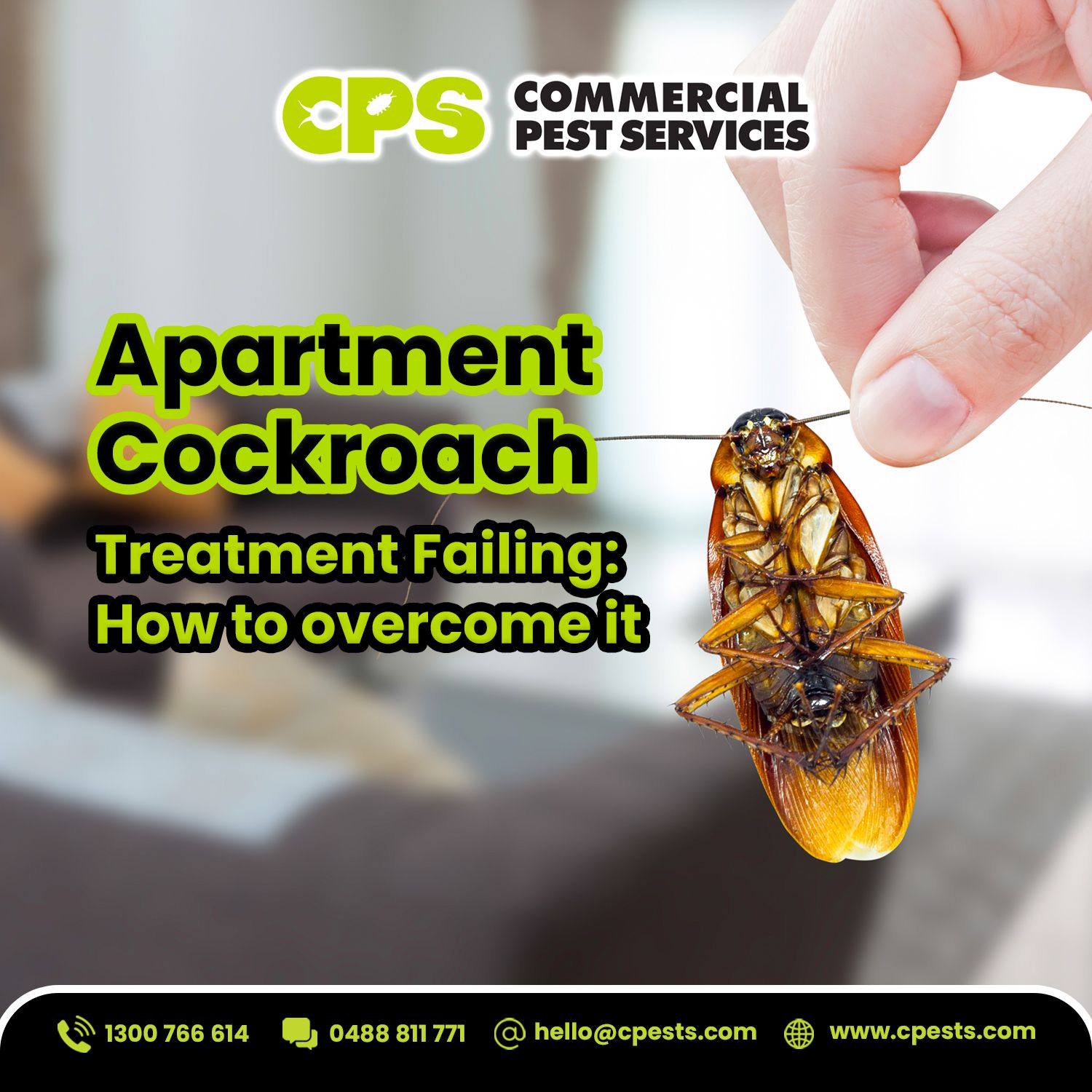
Apartment Cockroach Treatment Failing: How to overcome it
June 24, 2026
Apartment cockroach infestations pose a significant challenge for both tenants and property managers across Australia. Whether you’re a DIY tenant or a commercial facility manager, understanding how to effectively tackle these pests is crucial. Competitive Pest Services (CPS) offers eco-friendly, guaranteed solutions through its HomeShield program, designed to protect your apartment year-round. Apartment Cockroach Problem: Why Apartments Are Vulnerable […]
Apartment cockroach infestations pose a significant challenge for both tenants and property managers across Australia. Whether you’re a DIY tenant or a commercial facility manager, understanding how to effectively tackle these pests is crucial.
Competitive Pest Services (CPS) offers eco-friendly, guaranteed solutions through its HomeShield program, designed to protect your apartment year-round.
Apartment Cockroach Problem: Why Apartments Are Vulnerable
Apartments provide numerous entry points for cockroaches at the building level. Shared walls, voids, and rubbish chutes create ideal pathways for cockroach populations to spread between units. Consequently, infestations often extend beyond a single apartment, making coordinated efforts with neighbours and strata committees essential for successful control.
Most Common Cockroach Species In Apartments
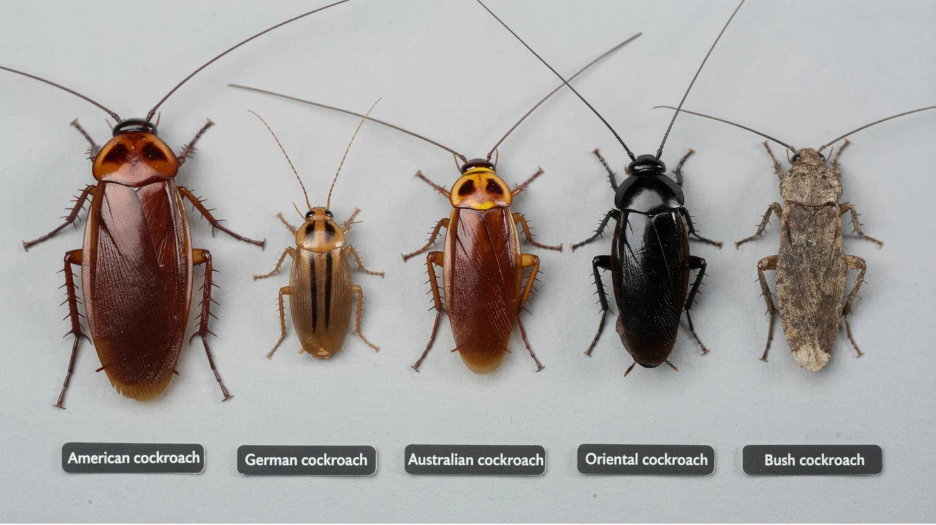
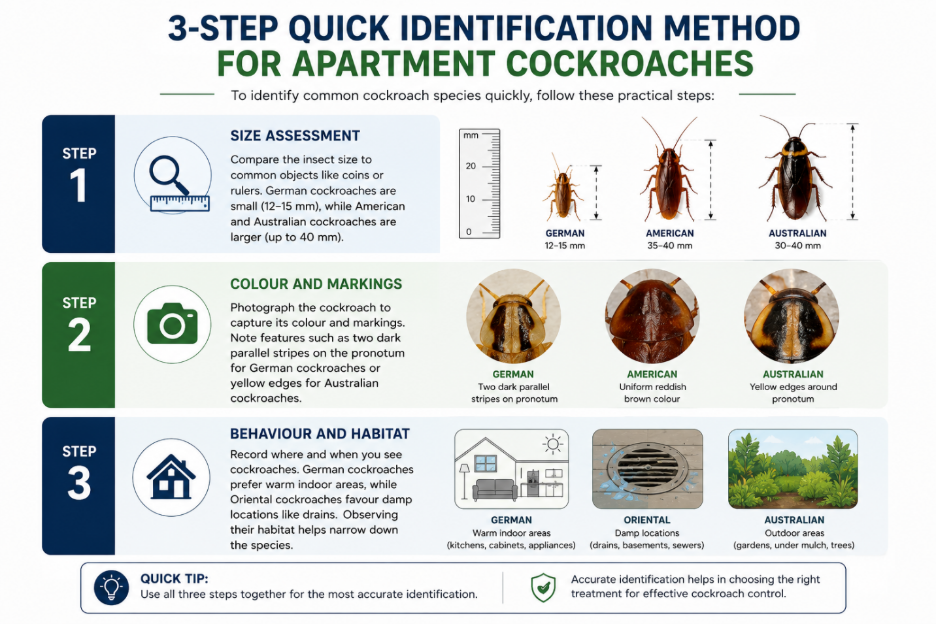
Identifying the specific cockroach species in your apartment helps tailor treatment approaches effectively. Several species commonly infest Australian apartments, each with unique behaviours and habitats.
The German cockroach (Blatella germanica) is light brown with two dark stripes and measures 12-15 mm in length, making it one of the most common pest species in homes and businesses.
The German cockroach can develop from hatchling to adult in as little as 40 days, with three to four generations produced per year, resulting in up to 40 offspring per generation.
American Cockroach
American cockroaches can produce up to 50 egg capsules in their lifetime, with each capsule containing 12 to 16 eggs, and nymphal development takes 6-12 months.
Australian Cockroach
The Australian cockroach (Periplaneta australasiae) is about 35 mm long, dark brown with yellow markings, and prefers warm, humid outdoor environments but can also enter homes.
Oriental Cockroach
The Oriental cockroach (Blatta orientalis) is dark brown to black, measuring 20-25 mm, and prefers cool, damp environments, often found in drains and basements.
Bush Cockroaches (Native Species)
Native bush cockroaches usually live outdoors in leaf litter and rarely cause harm. However, they sometimes wander indoors by accident. Simple exclusion methods and habitat reduction can prevent their entry and distinguish them from pest species.
The Smokybrown cockroach (Periplaneta fuliginosa) is shiny dark brown, about 30 mm long, and is typically found in damp, dark environments, often attracted to lights at night.
Overall, adult cockroaches usually crawl along the walls and other species known as bushland cockroach species is harmless and they tend to stay inside the bushes. All these cockroach species have abilities to trigger allergic reactions and lay eggs, feeding on decaying organic matter.
Most common cockroach species live in roof voids and drop the egg case in damp areas. Young cockroaches and adult is different species, Nymphs are darker and lack the characteristics while adults are harder to control.
Immediate DIY Actions To Get Rid Of Cockroach Nymphs In Australia Apartments
Action
Description
Maintain Strict Sanitation
Keep the apartment clean, promptly clean up food crumbs, spills, and grease to remove food sources.
Store Food Securely
Use airtight containers to prevent cockroaches from accessing food.
Seal Entry Points
Close gaps around pipes, doors, and baseboards to block cockroach access into living areas.
Use Targeted Gel Baits
Apply gel baits in cockroach harbourage spots such as cabinet corners and appliance edges.
Avoid Overusing Foggers
Total-release foggers often fail to reach nesting sites and provide only temporary relief.
Apply Boric Acid Dust
Use boric acid dust in inaccessible voids to safely reduce cockroach populations.
Apartment-Level Cockroach Control Strategies
Integrated Pest Management (IPM) offers the most effective approach for apartment buildings. Coordinate treatments across all affected units to prevent reinfestation. Employ monitoring devices, bait stations, and residual barrier sprays to reduce cockroach numbers systematically. Document all actions carefully for strata or compliance audits, ensuring transparency and ongoing control.
Strata, Landlords And Neighbour Coordination For Control
Inform your strata or property manager promptly when cockroach issues arise. Request building-wide inspections and propose synchronized treatments to maximize effectiveness. Working together with neighbours and landlords significantly improves control outcomes.
Preventing Reinfestation In Apartments
Regular rubbish removal and using sealed bins reduce food sources for cockroaches. Educate tenants on controlling food crumbs and grease. Schedule periodic monitoring with glue traps to detect new activity early. Maintain vegetation and mulch around external perimeters to limit outdoor cockroach habitats.
Health Risks, Legal Compliance And Food Safety
Cockroaches carry bacteria like Salmonella and E. coli, contaminating food preparation areas. Their droppings and shed skins contain allergens that can trigger asthma and allergic reactions, especially in children and vulnerable individuals. Apartment kitchens and shared facilities require strict pest control to comply with health regulations. Commercial tenants must follow food safety pest management protocols diligently.
FAQ: How Long To Get Rid Of Cockroaches In Apartments
Small species like German cockroaches can be controlled within weeks with consistent treatment, while larger species may take several months. Repeat treatments are often necessary to eliminate all life stages. Baits and sprays used in professional programs are safe when applied correctly, posing minimal risk to residents.
Content Assets To Include
Checklist for apartment inspection and tenant actions to identify and prevent infestations
Species comparison chart for quick cockroach identification
CPS service call-to-action with contact details for expert assistance
For effective apartment cockroach control in Australia, combining knowledge, coordinated action, and professional support ensures a pest-free living environment.
Contact Competitive Pest Services today to protect your home or property with trusted, eco-friendly solutions.
Contact CPS today to arrange a professional inspection and tailored treatment plan.
We acknowledge the Traditional Custodians of Country throughout Australia and their connections to land, sea, and community.
We pay our respect to their Elders past and present and extend that respect to all Aboriginal and Torres Strait Islander peoples today.