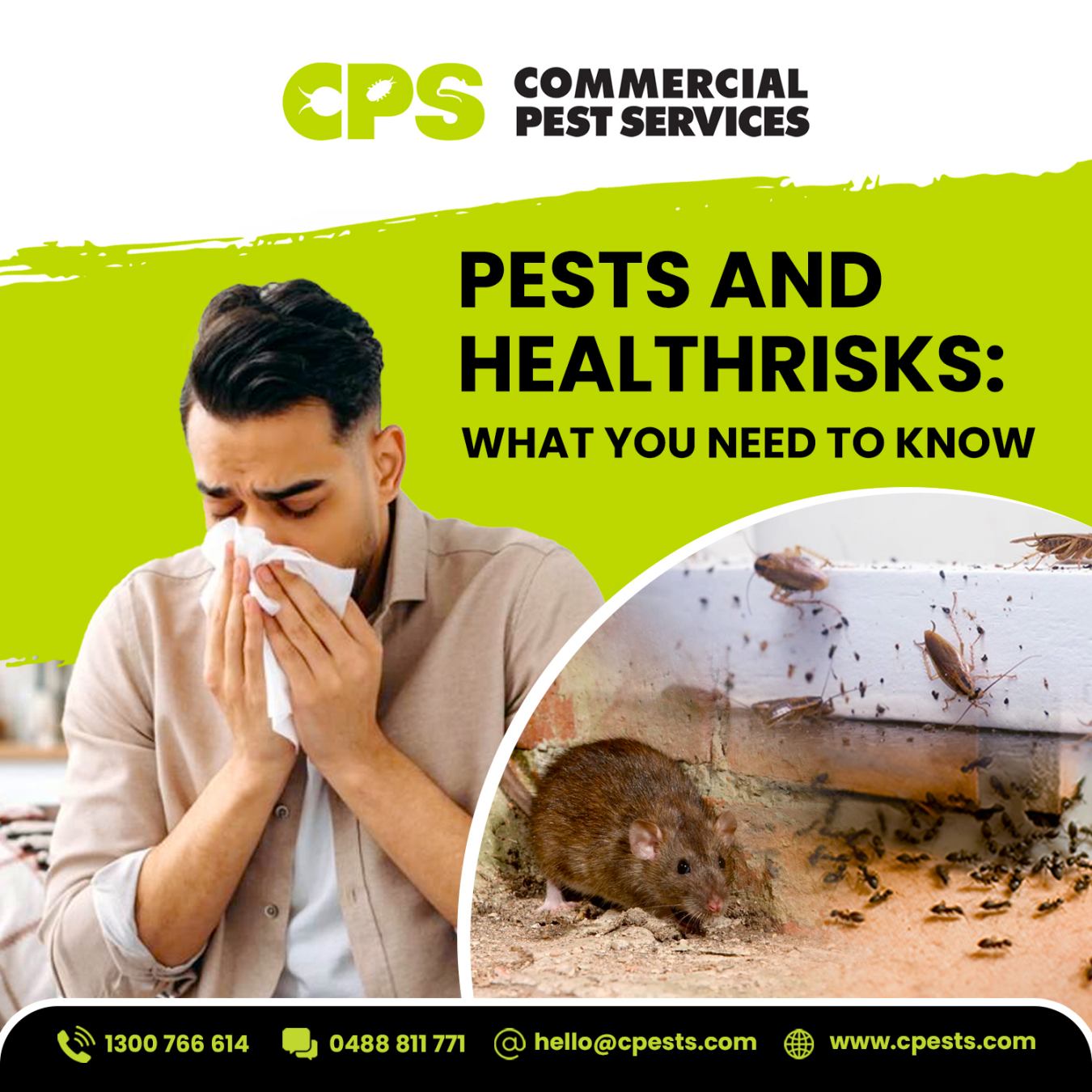
Pests are not just a nuisance. They are a serious threat and major concern for public health, presenting real health risks to both households and businesses. Far from being just a nuisance, pests are a significant health hazard, capable of spreading diseases, contaminating food, and causing both physical and mental health issues. From contamination and allergic reactions to structural damage and infection risks, pest activity can compromise the safety and hygiene of indoor environments.
Pests are responsible for spreading numerous diseases worldwide, some of which can lead to severe complications if not treated properly.
Understanding how different pests impact human health is essential for early prevention and effective control.
Why Pest Control Matters for Health
Pests are more than an inconvenience. They can act as carriers of bacteria, allergens, and pathogens, or create conditions that negatively affect human health. Many pests thrive in environments where food, moisture, and shelter are available, making homes, workplaces, and commercial facilities ideal habitats.
Health risks from pests generally fall into three categories:
- Contamination: transfer of bacteria onto food and surfaces
- Allergic reactions: triggered by droppings, shed skins, or stings
- Physical harm: bites, stings, or exposure to hazardous materials
Pests present direct health risks, as they can bite, sting, or transmit pathogens that pose serious health threats to people. Many pests act as vectors that carry and spread infectious pathogens through bites, droppings, or contact with food, leading to numerous diseases.
Addressing pest activity early helps reduce the serious health risks, which include risks posed by infestations, and prevents illnesses caused by pests, supporting a cleaner, safer environment.
Rodents: Contamination and Disease Risks
Rodents such as rats and mice are among the most significant health threats in both residential and commercial settings. Rodent droppings are a particular concern because they can spread and transmit diseases such as salmonellosis and hantavirus. Rodents are known to carry a range of bacteria and pathogens, which can be transmitted through their droppings, urine, and saliva.
As rodents move through properties, they contaminate food preparation areas, storage spaces, and surfaces. They can also damage electrical wiring and insulation, creating additional safety hazards. Rodents can cause bacterial infection, and their droppings, urine, and saliva pose significant health risks.
Health risks associated with rodents include:
- contamination of food and surfaces
- spread of bacteria through droppings and urine
- respiratory risks from airborne particles
- rodent droppings contain proteins that act as allergens, which can trigger asthma symptoms and other allergic responses in sensitive individuals
Early signs such as scratching noises, droppings, or gnaw marks should not be ignored, as infestations can develop quickly.
Cockroaches: Bacteria and Allergens
Cockroaches are strongly associated with poor hygiene conditions, but even clean environments can be affected. They thrive in warm, humid areas and are commonly found in kitchens, bathrooms, and drains. Cockroach droppings and shed skin are major sources of allergens and asthma triggers
Cockroaches can carry bacteria on their bodies and spread contaminants across surfaces as they move. In addition, their droppings, saliva, and shed skins can trigger allergic reactions and worsen respiratory conditions such as asthma.
Key health concerns include:
- contamination of food and food preparation areas
- spread of bacteria across surfaces
- allergic reactions and respiratory irritation
Because they are nocturnal and tend to hide in small spaces, infestations can go unnoticed until populations increase.
Bees and Wasps: Stings and Allergic Reactions
Bees and wasps are important to the ecosystem, but they can pose risks when nesting near human activity. Wasps, in particular, can be aggressive when disturbed and may sting multiple times.
For most people, stings cause temporary pain and swelling. However, for individuals with allergies, stings can lead to severe reactions that require immediate medical attention.
Risks to be aware of:
- painful stings and localised swelling
- aggressive behaviour when nests are disturbed
- risk of severe allergic reactions
Nests are commonly found in roof spaces, wall cavities, gardens, and outdoor structures, making early identification important.
Fleas and Moths: Skin and Material Impact
Fleas are external parasites that feed on blood, commonly affecting pets but also biting humans. Infestations can spread quickly within indoor environments, particularly in carpets, bedding, and upholstery.
Flea bites often result in itching and skin irritation, and in some cases, allergic reactions.
Moths, while less directly harmful to human health, can affect hygiene and living conditions by damaging fabrics and stored materials. Their presence is often linked to undisturbed areas such as wardrobes and storage spaces.
Health and environmental concerns include:
- itchy bites and skin irritation from fleas
- potential allergic reactions
- damage to clothing, fabrics, and stored goods
Maintaining cleanliness and regular inspection of storage areas helps reduce the risk of infestation.
Spiders: Bites and Safety Concerns
Spiders are a common part of Australia’s environment, and most species are harmless. However, some species can deliver bites that require medical attention.
Spiders typically enter homes in search of shelter or prey, especially during seasonal changes. While bites are relatively rare, they can occur if spiders are disturbed.
Risks include:
- bites causing pain or mild reactions
- in rare cases, medically significant symptoms depending on the species
- anxiety or concern in indoor environments
Reducing clutter and maintaining clean, undisturbed areas can help limit spider activity indoors.
Ants: Contamination and Hygiene Issues
Ant infestations are a common household problem, with ants often seen trailing in search of food. While they are not typically dangerous, ant infestations can impact hygiene by contaminating food and surfaces, and in some cases, triggering allergies in sensitive individuals.
Certain species can also establish large colonies, making them difficult to control once established.
Concerns associated with ants include:
- contamination of food and food preparation areas
- rapid colony expansion
- persistent infestations if not addressed early
Maintaining cleanliness in food preparation areas is one of the strongest defenses against pest infestations, as it removes accessible food sources that attract pests. Effective food storage and sealing entry points are also key to managing ant activity.
When to Take Action
While some pest activity may seem minor, it can escalate quickly if left unmanaged. Early intervention and proactive measures, such as regular inspections and maintenance of outdoor areas, are essential for preventing pest infestations and reducing both health risks and the complexity of treatment.
Consider taking action when:
- pest sightings become frequent or widespread
- there are signs of contamination or damage
- bites, stings, or allergic reactions occur
- pests are present in food or sensitive areas
- eliminating pests is necessary to protect health and property, or when steps should be taken to prevent pests from entering the home
The Role of Professional Pest Control
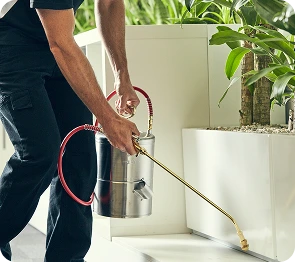
While basic prevention measures can reduce risk, effective pest management often requires a structured and targeted approach, particularly when dealing with recurring or widespread activity. While DIY methods may provide only temporary relief, professional pest control services are often necessary for lasting results.
Professional pest control focuses on:
- identifying the source and extent of the issue
- applying tailored treatments based on pest type and environment
- addressing underlying conditions such as entry points, moisture, and food sources
- implementing monitoring and prevention strategies to reduce recurrence
- regular pest control as an essential part of prevention and long-term management
Professional pest control services involve thorough inspections, targeted treatments, and environmentally responsible methods to ensure safety and health protection, especially in high-risk areas or severe cases.
This approach supports not only pest elimination but also long-term environmental hygiene and risk reduction.
Learn more about our pest control services for your home and business.
Maintaining a Safe and Healthy Environment
Pest-related health risks can affect anyone, but they are largely preventable with the right approach. Maintaining well-being involves not only physical health but also mental health, as infestations can profoundly degrade a person’s quality of life and mental health. Mental health issues associated with pest infestations include increased odds of depressive symptoms, anxiety, and panic attacks. Maintaining cleanliness, reducing access to food and moisture, and addressing early signs of pest activity are essential steps.
Common household pests like cockroaches, rodents, and mosquitoes are significant public health concerns that impact both physical and mental well-being, especially for individuals with weakened immune systems. Proper waste management and regular inspections are crucial in preventing pest infestations and related health risks. Additionally, sealing entry points around doors, windows, and other structures is a key step in blocking potential access routes and preventing pests from entering homes.
By understanding the risks associated with common pests, property owners can take informed action to protect both their space and the people within it.