Australia’s climate creates ideal conditions for pests to be active year-round. While many people encounter pest problems in warmer months, the reality is that pest activity shifts with the seasons rather than disappearing. Understanding these seasonal patterns allows homeowners to act early and reduce the risk of infestations before they become costly or difficult to control.
Introduction to Seasonal Pests
Seasonal pests are a persistent challenge for homeowners across Australia. As the weather shifts, so does the activity of common pests. Each season brings its own set of concerns.
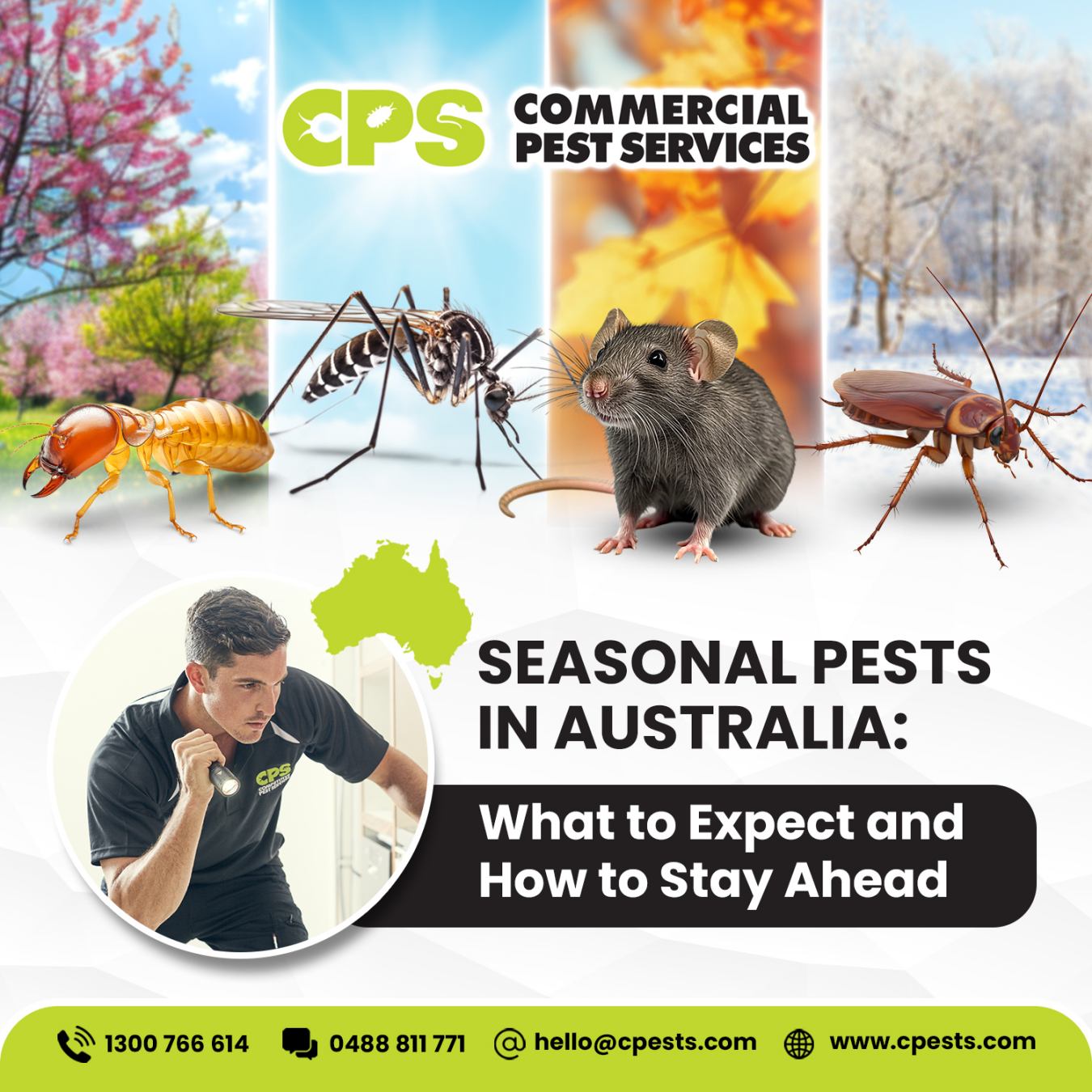
During the warmer months, common summer pests like cockroaches, flies, and mosquitoes become highly active, thriving in the heat and humidity. In contrast, winter drives ants, termites, and rodents to seek refuge indoors in search of food and warmth. Entry points such as cracks, gaps, and vents provide easy access for these pests. This highlights the importance of regular inspections and pest management.
By understanding which pests are most common in each season and how they behave, property owners can apply targeted treatments to reduce the risk of infestations and keep pests away from their homes year-round.
Why Pest Activity Changes with the Seasons
Environmental factors such as temperature, moisture, and food availability strongly influence pest behaviour. Different insects are active or seek shelter depending on the season, making it important to understand these patterns for effective control.
Each season triggers a different phase in the pest lifecycle:
- Spring: Breeding and Colony Establishment, with insects like termites and bees becoming more active.
- Summer: Peak Activity and Population Growth during the summer months, warmer weather, food sources, and outdoor gathering attract pests such as mosquitoes and flies.
- Autumn: Shelter Seeking and Indoors Relocation, with rodents and spiders moving inside as temperatures drop.
- Winter: Hidden Infestations and Survival mode, as cold weather drives rodents and cockroaches indoors to seek warmth and shelter.
Recognising these patterns is key to effective pest control. Preventive action taken at the right time is significantly more effective than reacting after an infestation has developed.
Spring (September–November): Early Activity & Colony Formation
Spring marks the beginning of pest resurgence. As thw weather warms up, trigger breeding cycles, and many pests begin establishing colonies that will expand in the coming months.
Common pests during this period include Ants, Cockroaches, Wasps, and Bees. Bees become more active in spring and summer, often forming hives or nests in wall cavities, ceiling voids, trees, or other sheltered locations. At this stage, activity is often subtle; ant trails may appear irregularly, cockroaches begin emerging in kitchens and bathrooms, and wasps and bees start building nests or hives around eaves and outdoor structures.
Early intervention is critical. Addressing pest activity in spring is significantly easier than managing established infestations later.
Termite inspections are recommended in spring to prevent damage from swarming termites. Termites are a major problem for homeowners in Australia, causing serious damage to properties, especially during warmer months when they thrive.
Prevention tips
- Seal entry points around doors, windows, and walls
- Store food securely and clean up spills promptly
- Eliminate moisture sources, especially in kitchens and bathrooms
- Remove or treat visible wasp nests early to prevent pests from laying eggs and expanding their colonies
- Practice regular maintenance for hygiene and sanitation, such as cleaning up food spills and sealing food containers
Acting in spring helps prevent pest populations from expanding into larger problems during summer.
Summer (December–February): Peak Activity & Exposure Risks
Summer months are when pest activity reaches its highest level. Heat and increased humidity accelerate breeding, resulting in increased populations and greater interaction with people.
Mosquitoes, Flies, Cockroaches, and Ants are especially active during this period. Each presents a different type of risk.
Mosquitoes are prevalent in summer and breed in stagnant water, thriving in humid environments. They can carry diseases such as dengue fever, making their management essential for health and safety.
Flies are one of the most visible summer pests in Australia, rapidly increasing in numbers due to warm weather. They are more active especially around food waste and organic decay and their activity can lead to food contamination.
Cockroaches thrive in warm, humid environments. So summer with increased humidity create perfect environment for breeding, and can spread bacteria and diseases.
Ant activity spikes during summer, particularly during dry spells as they come indoors in search of water. More ants inside or around your house and garden is a complete nuisance.
At this stage, pest control shifts from early prevention to active management of exposure and hygiene risks, with a focus on managing flies and mosquitoes due to their ability to spread diseases.
How to Prevent
- Remove standing water to prevent mosquito breeding
- Use airtight containers for food storage and seael waste bins to deter pests like flies and cockroaches
- Fix leaks and reduce moisture to prevent pest infestations, especially in damp environments
- Maintain strict kitchen hygiene and proper food storage
- Improve ventilation and reduce indoor humidity to help reduce moisture and make the environment less attractive to pests that thrive in damp environments
Summer is the time when consistent hygiene and environmental control are essential to limit pest exposure.
Autumn (March–May): Indoor Movement & Structural Risk
As temperatures begin to drop, pest behaviour changes significantly. Rather than remaining outdoors, many pests start seeking shelter inside buildings.
Rodents, Termites, and Spiders become more noticeable during this time. House mice and other mice often nest at ground level and seek shelter indoors during autumn, increasing infestation risks in homes. Rodents enter properties in search of warmth and food, commonly using access points such as cracks, gaps, and damaged roof tiles at ground level. Inspecting and sealing these access points is crucial to prevent rodents and other pests from entering.
Termites remain active within timber structures, often causing serious damage at or below ground level, while spiders move indoors following their prey and frequently use hiding spots in garden beds and undisturbed areas.
Unlike summer, where pests are highly visible, autumn introduces less obvious but more persistent risks, particularly within structural areas.
Early signs to watch for include:
- Rodent droppings or scratching sounds in walls
- Termite mud tubes or hollow timber
- Increased spider activity in undisturbed spaces
Preventive action during autumn should prioritise exclusion and inspection. Sealing gaps, reducing clutter, inspecting and monitoring ground-level access points, and reducing hiding spots can significantly reduce pest activity in both indoor and outdoor areas.
Winter (June–August): Hidden Infestations & Ongoing Activity
While pest activity appears to decline in winter, many pests remain active indoors. The difference is that they are less visible, having already established themselves in warm, sheltered areas.
Rodents, Cockroaches, and Silverfish are common during this season. Rodents, such as mice, are nocturnal and tend to avoid bright lights, making them elusive and harder to spot. During winter, their nesting spots are mostly wall cavities and roof voids.
Cockroaches persist in warm, damp areas, while silverfish are wingless insects that thrive in humid conditions and dark, undisturbed spaces such as wardrobes and storage areas. To effectively manage silverfish, it’s important to control moisture and humidity. A detailed inspection of dark, damp areas like bathrooms and basements is recommended to detect early signs of silverfish activity.
Winter is less about visible pest activity and more about detecting and managing hidden infestations.
Maintaining a controlled indoor environment is essential. The checklist includes:
- Inspecting hidden areas such as cupboards and roof voids
- Keeping spaces dry and well ventilated
- Storing paper goods and fabrics properly
- Continuing regular cleaning routines
- Removing cobwebs and reduce hiding spots for pests
Winter pest control focuses on monitoring and containment, preventing infestations from carrying into the next season.
Regional Pest Considerations
Pest activity in Australia varies significantly depending on the region, influenced by local climate, geography, and environmental conditions. Coastal areas, for example Sydney, Melbourne and Brisbane, are particularly vulnerable to termite infestations due to higher moisture levels. Meanwhile inland regions often experience increased rodent activity as pests search for food and shelter. In South Wales, the humid subtropical climate creates perfect environment and conditions for common household pests like cockroaches and spiders.
Understanding these regional differences is crucial for effective pest management and tailored pest control strategies to address the most common pests in your area helps prevent infestations and ensures a year-round protection for your property.
When to Consider Professional Pest Control
While preventive measures are effective, there are situations where professional help becomes necessary:
- Pest activity is recurring across seasons
- Signs of infestation (droppings, nests, damage, spider webs) are present, indicating issues such as spider presence
- Structural risks with termite annd rodent presence and termite activity thus requiring professional termite inspection
- Bed bug infestation as bed bugs are resilient, pose health risks, and require professional intervention for effective eradication
- Preventive treatment is needed before peak seasons
Professional pest control service provides a structured, proactive approach, addressing not only visible pest activity but also underlying causes and long-term risks. Effective pest management involves sanitation, structural sealing, and targeted treatments such as registered insecticides or baits. To prevent future occurrences, property owners should do Regular follow-up inspections and treatments.
If you are seeking a professional technician who values the safety of your household as much as you do, Contact Us.
A Year-Round Approach to Pest Management
Pest activity in Australia is year-round, it simply changes with the seasons. Each stage builds up on the previous one, from breeding in spring to hidden infestations in winter. By understanding seasonal pest behaviour, property owners can act early, reduce risks, and avoid serious damage from large-scale infestations.
Taking a year-round approach to pest management, combining awareness, preventive action, and timely intervention, helps maintain a safer and more controlled environment.
Explore Homeshield, our year-round pest protection plan to take away your worries when it comes to pests through all seasons.
Frequently Asked Questions
What pests are most common in Australia year-round?
Across major cities such as Sydney, Melbourne, Brisbane, Perth, and Adelaide, several pests remain active throughout the year. These common household pests include ants, cockroaches, rodents, and spiders.
Which season has the most pest activity?
Summer generally brings the highest level of pest activity across Australian cities, particularly in warmer regions like Brisbane and Sydney. High temperatures and humidity accelerate breeding cycles, leading to increased populations of mosquitoes, flies, cockroaches, and ants.
However, in cooler cities such as Melbourne and Adelaide, autumn is often when pest activity becomes more noticeable indoors, as pests move inside seeking warmth and shelter.
How do pests get inside homes?
Pests can enter homes through even the smallest gaps and openings. Common entry points include cracks in walls, gaps around doors and windows, roof voids, vents, and utility penetrations such as pipes and cables. Some pests are also brought indoors unintentionally through items like groceries, packaging, or storage boxes. Once inside, they are attracted to food sources, moisture, and sheltered areas.
Is pest control needed in winter?
Yes, pest control remains important during winter across all major Australian cities, including Adelaide, Melbourne, and Perth. While outdoor activity may decrease, many pests such as rodents, cockroaches, and silverfish remain active indoors in warm, sheltered areas. Without ongoing monitoring, these hidden infestations can develop further during winter and become more significant problems when temperatures rise again in spring.tions can develop further during winter and become more significant problems when temperatures rise again in spring.