Send us a message and one of our specialists pest managers will be in touch
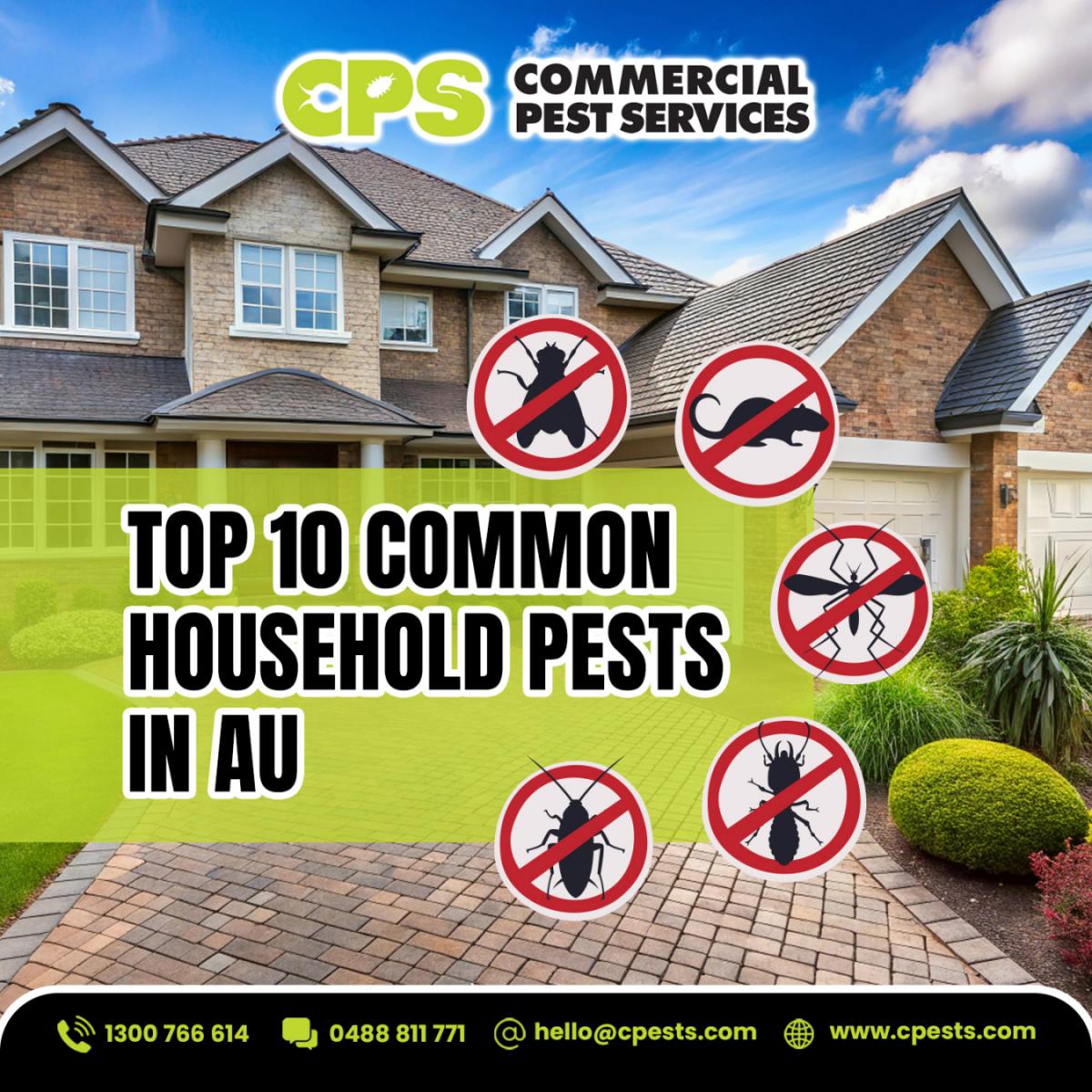
Top 10 Common Household Pests in Australia and How to Identify Them
August 6, 2026
Australia is home to a wide range of pests. While many live outdoors, others find their way into our homes throughout the year. Some household pests appear more often during certain seasons. Others remain active regardless of the weather. Understanding the most common household pests in Australia can help homeowners recognise potential risks and take action early. Here are ten household pests […]
Australia is home to a wide range of pests. While many live outdoors, others find their way into our homes throughout the year.
Some household pests appear more often during certain seasons. Others remain active regardless of the weather. Understanding the most common household pests in Australia can help homeowners recognise potential risks and take action early.
Here are ten household pests commonly found in Australian homes.
1. Ants
Ants are among the most common household pests in Australia.
They often enter homes searching for food and water. Although a few ants may seem harmless, established colonies can become difficult to control without professional support.
Kitchens, laundries, and bathrooms often provide the food, moisture, and shelter they need. They can also contaminate food preparation areas and surfaces.
3. Rodents
Rats and mice frequently seek shelter indoors, especially during cooler months.
Besides contaminating food, rodents can damage insulation, packaging, and electrical wiring through constant gnawing.
4. Termites
Termites are among Australia’s most destructive household pests.
They feed on timber and often work silently behind walls or beneath floors. Many homeowners only discover termite activity after significant damage has already occurred.
Spiders commonly appear in Australian homes and gardens.
Although most species are harmless, some can pose health concerns. Regular inspections and reducing insect activity may help minimize spider populations.
6. Bed Bugs
Bed bugs feed on blood and usually hide close to sleeping areas.
They often spread through luggage, second-hand furniture, or shared accommodation. Their bites can disrupt comfort and sleep.
Bathrooms, cupboards, and storage areas often attract them. They feed on paper products, glue, and natural fibres.
9. Wasps
Wasps may build nests around roofs, eaves, and gardens.
While they support ecosystems outdoors, disturbed nests can become safety concerns around family spaces.
10. Clothes Moths
Clothes moths often remain unnoticed until damage appears.
Their larvae feed on wool, silk, cashmere, carpets, and other natural fibres stored inside wardrobes.
Why Early Detection Matters
Many household pests reproduce quickly once conditions become favourable.
Early detection allows homeowners to address pest activity before infestations become more established. It may also reduce treatment complexity and potential costs.
Simple habits such as maintaining hygiene, reducing moisture, and scheduling inspections can support long-term pest prevention.
We acknowledge the Traditional Custodians of Country throughout Australia and their connections to land, sea, and community.
We pay our respect to their Elders past and present and extend that respect to all Aboriginal and Torres Strait Islander peoples today.