Send us a message and one of our specialists pest managers will be in touch
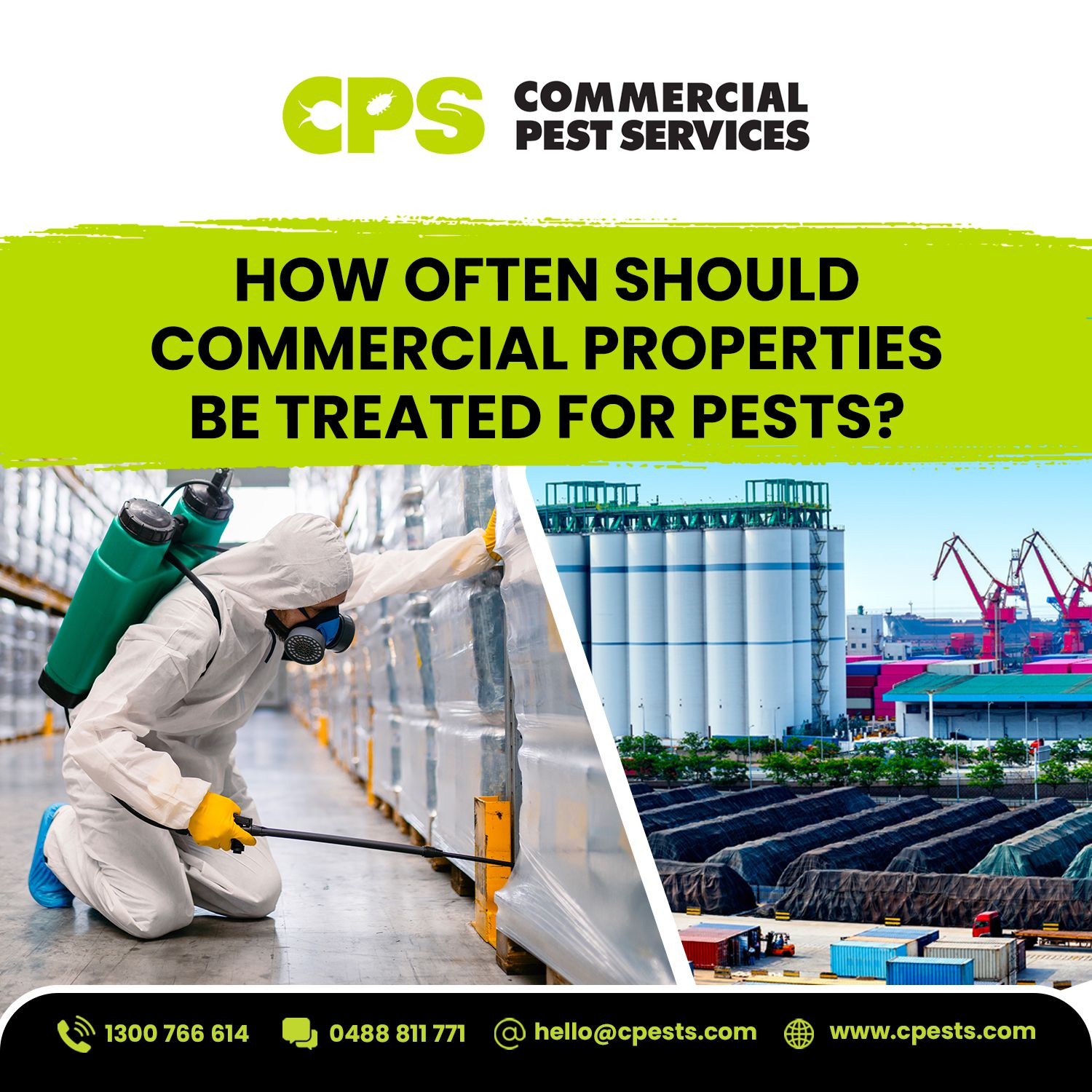
How often should Commercial Properties be treated for Pests?
June 24, 2026
In Commercial properties, regular pest management control is critical, especially crowded places like hospital. Pest treatment differ based on the pest types and level of conditions. In Australia, clients seek the full service that not only provides full inspection but also makes the after-sales follow-up questions for thorough service. Commercial pest control in Australia is about compliance, health, safety, […]
In Commercial properties, regular pest management control is critical, especially crowded places like hospital. Pest treatment differ based on the pest types and level of conditions.
In Australia, clients seek the full service that not only provides full inspection but also makes the after-sales follow-up questions for thorough service.
Commercial pest control in Australia is about compliance, health, safety, business reputation, and keeping operations running smoothly.
In Competitive Pest Services (CPS), we offer
Commercial pest control
Hygiene & disinfection
Termite management
Bird control
Home Shield residential protection through direct-employed technicians and a 200% service guarantee.
Commercial Pest Control in Australia
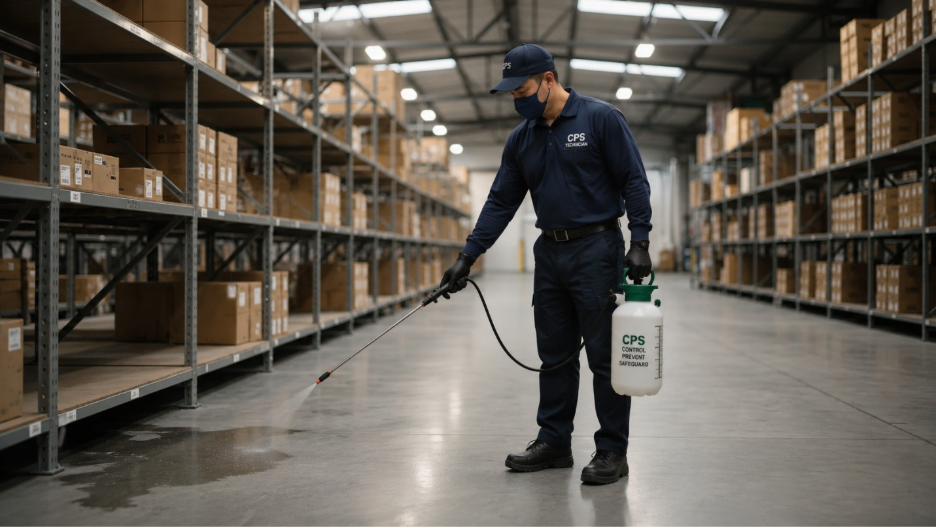
Commercial pest control protects offices, warehouses, hospitality venues, healthcare facilities, retail sites, and other properties from pests threatening people, products, and property. It requires structured reporting, ongoing monitoring, industry-specific risk controls, and fast access to experienced technicians.
Common Pest Problems that we usually find
When it comes to common pests,
Rodents
Cockroaches
Stored product pests
Bed bugs
Flies
Ants
Spiders
Birds
Termites
Silverfish
Food businesses must take reasonable steps to prevent pest problems and contamination under Food Standards Australia New Zealand guidance.
Why Commercial Pest Control Matters for Your Business Reputation
A rodent sighting in a Sydney café in 2025 triggered social media backlash, council inspection, closure, and lost customers. Pest control services protect reputation, ensure health and safety compliance, and minimize financial or property damage.
Visible pests can damage trust instantly. Commercial pest control helps meet health codes and avoid penalties. Proactive management prevents costly damage and contamination, reducing waste, shutdowns, staff concerns, lost contracts, and reputational harm.
Key Commercial Pests and the Risks They Pose
Rodents contaminate warehouses and food plants, especially near bins, drains, and entry points. Effective rodent control uses rodenticides, traps, physical barriers, sanitation, exclusion, monitoring, and prevention.
Cockroaches spread bacteria in kitchens and staff areas, requiring targeted control when non-chemical methods fail. Stored product pests threaten bakeries and food manufacturing through contamination and recalls.
Bed bugs affect hotels and healthcare rooms, impacting online reviews.
Birds damage roofs, signage, solar panels, gutters, and outdoor areas. Bird control uses physical barriers like spikes and nets, repellent gels that create uncomfortable environments, and OvoControl pigeon birth control bait for population management.
Tailored Commercial Pest Control Programs by Industry
Effective commercial pest control requires tailored solutions for different industries.
Food service demands frequent inspections and pest monitoring, especially for rodents, cockroaches, and flies, with after-hours service to minimize disruption. Food manufacturing and logistics focus on compliance with standards like HACCP and audit-ready reporting.
Healthcare and aged care need sensitive approaches for pests like bed bugs and ants.
These customised programs address specific pest species and control methods to protect business reputation and ensure compliance, as summarised in the table below:
Industry Sector
Key Pest Concerns
Control Focus
Service Features
Food Manufacturing & Logistics
Stored product pests, Rodents
Compliance with HACCP, audit-ready reporting
Structured documentation and monitoring
Healthcare & Aged Care
Bed bugs, Ants
Sensitive pest control methods
Discreet treatment, minimal disturbance
Retail, Offices, Government, Education, Public Sectors
Digital and Data-Driven Commercial Pest Management
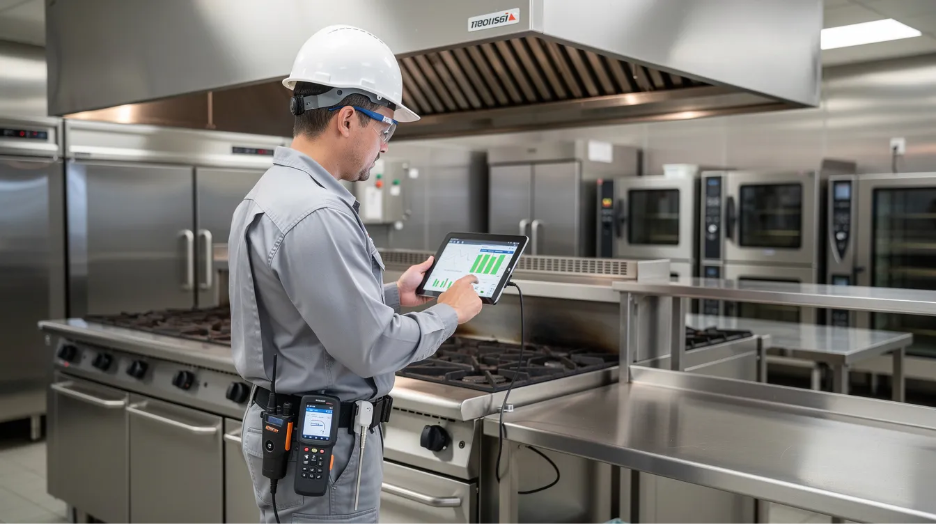
Digital pest management shifts from reactive treatment to prevention. CPS uses sensor-based rodent stations, remote devices, and data systems to track activity in warehouses, food plants, and multi-site portfolios.
These solutions provide 24/7 data, support risk scoring, identify seasonal patterns, and alert teams before infestations develop. For example, retail networks increase rodent control after rain or during spring-summer. Digital reporting reduces chemical use, supporting safer environments and sustainability.
Designing a Preventative Pest Control Program for Your Site
Preventative programs start with inspection, risk assessment, mapping high-pressure areas, and consultation before scheduling.
Physical methods include sealing gaps, trapping, and barriers. Cultural controls involve sanitation and waste management to eliminate pest attractants. Regular inspections and tailored strategies minimize infestation risks.
Pest control uses five methods: Physical, Chemical, Biological, Cultural, and Integrated Pest Management (IPM). Biological control uses natural enemies, often in agriculture.
Audit-Ready Reporting, Compliance, and Documentation
CPS focuses on prevention and monitoring to protect reputation and ensure health regulation compliance. Reporting includes digital dockets, pesticide logs, site maps, trend graphs, corrective actions, photos, and recommendations.
Technicians assist with HACCP, SQF, BRCGS, Woolworths, Coles, and retailer-specific audits. Centralised management offers consistent control and audit-ready access for multi-site clients.
Eco-Friendly and Safe Pest Management Approaches
Integrated Pest Management combines biological, cultural, physical, and chemical tools to minimize risks. CPS uses targeted treatments, non-toxic monitors, trapping, exclusion, hygiene improvements, and reduced-risk products.
Pet-friendly and eco-conscious insecticides based on natural substances like spinosad are increasingly popular.
Washroom hygiene prevents germ spread and ensures compliance. Regular cleaning, inspections, and proper waste disposal improve workplace health.
How CPS Supports Both Commercial and Residential Clients
CPS protects Australian homes with HomeShield, a year-round residential pest plan focused on family safety and comfort.
Commercial programs are audit-driven and operational, while residential plans keep homes pest free. Business owners can rely on CPS at work and home.
Choosing the Right Commercial Pest Control Partner
The ideal partner offers national coverage, direct-employed technicians, industry experience, digital reporting, fast response, and clear guarantees. CPS stands out with Australian ownership, integrated hygiene, a 200% service guarantee, and consistent service.
Request site audits, sample reports, references, and proof of capability for your pest and compliance needs.
Getting Started with a CPS Commercial Pest Control Program
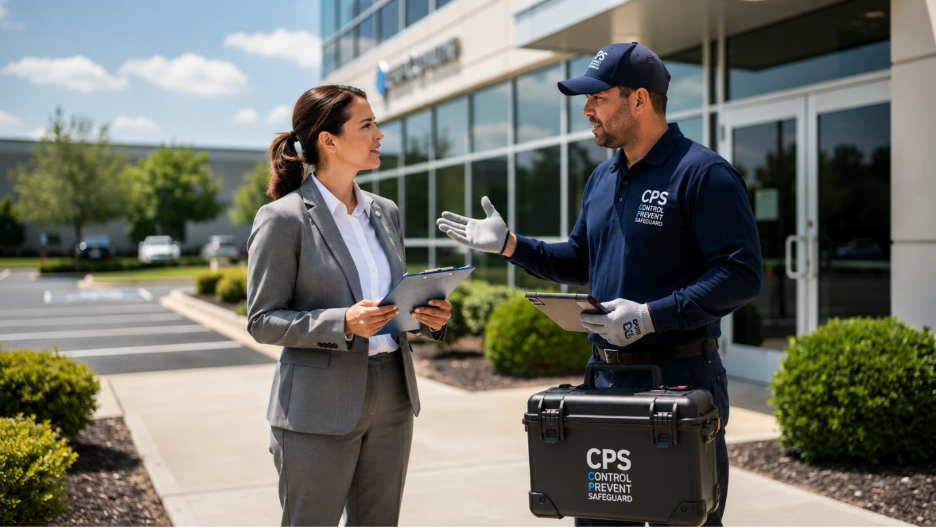
CPS moves businesses from pest problems to prevention with tailored solutions and practical recommendations. Book a site inspection, share audit requirements, and review a schedule.
Act before peak pest seasons to reduce disruption, protect health, and maintain pest-free operations. Contact CPS for a tailored commercial pest control proposal.
Contact CPS today to arrange a professional inspection and tailored treatment plan.
We acknowledge the Traditional Custodians of Country throughout Australia and their connections to land, sea, and community.
We pay our respect to their Elders past and present and extend that respect to all Aboriginal and Torres Strait Islander peoples today.