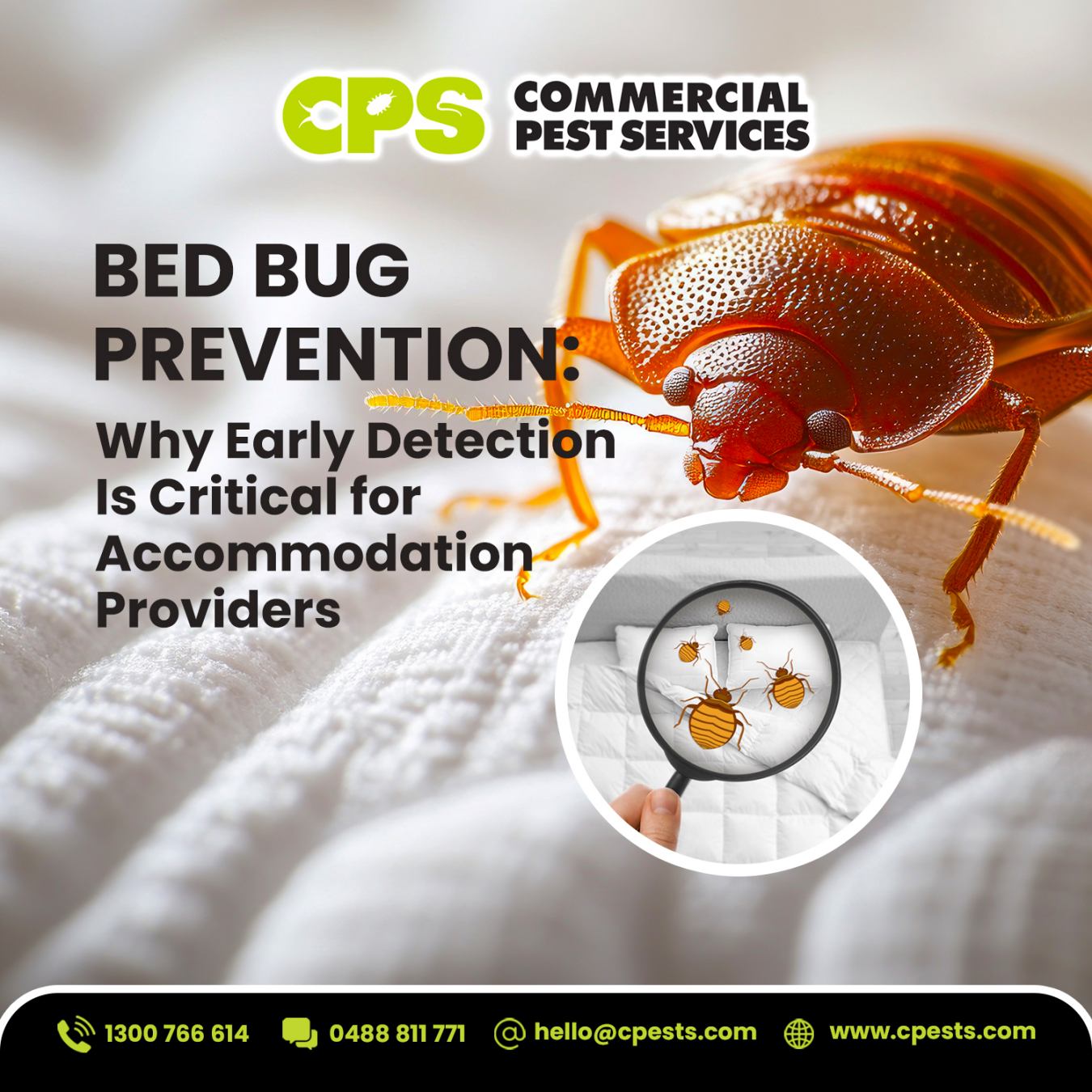
Bed bug infestations are one of the most reputationally damaging pest issues an accommodation business can face. For hotels, serviced apartments, resorts, hostels, and short term rental operators, even a single confirmed case can trigger negative reviews, booking cancellations, and lasting brand damage regardless of how clean or well-managed the property is.
Understanding how bed bugs spread, recognising the early warning signs and implementing a proactive pest management programme are the most effective ways to protect your guests, your staff, and your business.
What Are Bed Bugs and Why Are Accommodation Providers at Risk?
Bed bugs (Climex lectularius) are small blood-feeding insects roughly 5-7mm in length. They are nocturnal, emerging from hiding places at night to feed on sleeping hosts, and can survive for months without feeding. Thus, making them exceptionally difficult to notice once established.
Accommodation services such as hotels face a structurally elevated risk because of constant guest turnover, shared sleeping environments, and the continuous movement of luggage. Bed bugs do not indicate poor hygiene, instead they hitchhike on clothing, suitcases, and personal items.
Common hiding locations include:
- Mattress seams, piping, and box spring joints
- Bed frames, and headboards (especially upholstered or hollow wood)
- Furniture joints in sofas, chairs, and bedside tables
- Behind skirting boards, wall sockets, and wallpaper seams
- Soft furnishings and curtain folds near beds
How Bed Bugs Spread Through Properties
Once introduced to a single room, bed bugs can spread to adjoining rooms through wall cavities, service ducts, and infested laundry. Housekeeping operations if conducted without awareness training can transport insects via trolleys, linen bags, and vacuum equipment.
Unlike food-attracted pests such as rodents or cockroaches, bed bugs are exclusively tied to human sleeping and resting areas. This means standard hygiene and sanitation protocols alone will not prevent or eliminate an infestation. Dedicated monitoring and inspection programmes are essential.
Health Impact on Accommodating Guests
Physical Impact
Reaction to bed bug bites vary significantly between individuals. Common effects include;
- Pruritic (itchy) bite marks, often appearing in linear or clustered patterns
- Localised skin inflammation and redness
- Allergic reactions in sensitive guests, occasionally requiring medical attention
- Secondary skin infections from scratching
- Disrupted sleep throughout the day
Mental and Emotional Impact
The mental health dimension of bed bug exposure is frequently underestimated. As infestations occur in intimate sleeping environments, affected guests commonly report acute anxiety, hypervigilance about re-infestation at home and lasting negative associations with the property. In severe cases, guests may seek compensation or take legal advice, particularly when the physical health is compromised.
Why Early Detection Matters
Bed bugs reproduce rapidly; a single mated female can lay 200-500 eggs in her lifetime. In a warm hotel environment, eggs hatch within 6-10 days, and nymphs reach reproductive maturity within five weeks. An undetected infestation can progress from one room to multiple floors within two to three months.
Early intervention before the activity spreads beyond the source room, dramatically reduces treatment complexity, cost, and downtime. Properties that detect activity in the first generation typically require targeted treatments to a single room. Properties that identify infestations at an advanced stage often face multi-room closures, specialist heat treatments, and extended operational disruption.
Signs Accommodation Providers Should Watch For
Housekeeping staff are your first line of defence. Train teams to recognize and immediately report;
- Small rust-colored or dark spots on mattress seams, bed frames, or headboards (faecal staining)
- Shed exoskeletons (translucent husks approximately 1-5mm in size) near bedding or furniture joints
- Live insects with flat, oval, reddish-brown approximately the size of an apple seed
- Blood smears on pillowcases or sheets
- A sweet, musty odour in rooms, a late-stage indicator of heavy infestation
- Guest complaints about bites, itching or visible insects, even weeks after check-out
Bed Bugs Prevention Strategies for Accommodations
- Regular inspection: Schedule routine professional inspections of all guest rooms, with higher frequency in rooms flagged by complaints or those adjacent to confirmed activity
- Mattress and pillow encasements: Bed bugs proof encasements eliminate seam-hiding areas and make inspections faster and more reliable.
- Luggage racks: Provide luggage racks in every room, keeping guests bags off the floor and away from beds significantly reduces transfer risk.
- Laundry protocols: High-temperature washing and drying (minimum 60°C for 30 minutes) kills all life stages of bed bugs in linen.
- Housekeeping training: Annual awareness training ensures staff can identify early signs and understand escalation procedures.
- Professional monitoring programmes: Passive interceptor monitors placed under bed legs provide continuous early-warning detection without the need for chemicals.
The Impact on Guest Experience and Brand Reputation
In the hospitality industry, hygiene perception directly influences guest trust.
Even a single report of bed bug activity can affect how guests view an accommodation provider, particularly in an environment where online reviews and social media platforms influence booking decisions.
Potential impacts may include:
- negative guest experiences
- reduced customer confidence
- public complaints and online exposure
For accommodation businesses, the concern often extends beyond the infestation itself. The way the issue is managed can significantly affect guest perception and long-term brand reputation.
This is why preventive monitoring and professional management are important operational considerations, not simply reactive services.
The Role of Professional Pest Management
Professional pest management helps accommodation providers manage bed bug risks in a more structured and controlled way.
This may include:
- detailed inspections and monitoring
- identification of hidden activity areas
- ongoing prevention programs
- support designed to minimise operational disruption
At CPS, our commercial pest management programmes for the hospitality sector are designed to minimize operational disruption while meeting the environmental standards of ISO 14001. Our inspectors work alongside housekeeping and facilities teams to build site-specific monitoring plans, provide staff training, and deliver targeted treatments that protect both your guests and business reputation.
Explore how we handle bed bugs eradication here.
Bed bugs remain one of the most sensitive pest issues within the accommodation industry due to their connection to guest comfort, sleeping environments, and hygiene perception.
Because hotels and accommodation facilities experience constant movement of guests and luggage, even well-maintained properties may become vulnerable to bed bug activity over time.
Early detection, routine monitoring, and proactive management play an important role in reducing operational disruption and protecting guest trust.
For accommodation providers, effective bed bug management is not only about pest control. It is part of maintaining a safe, hygienic, and reliable guest experience.