Send us a message and one of our specialists pest managers will be in touch
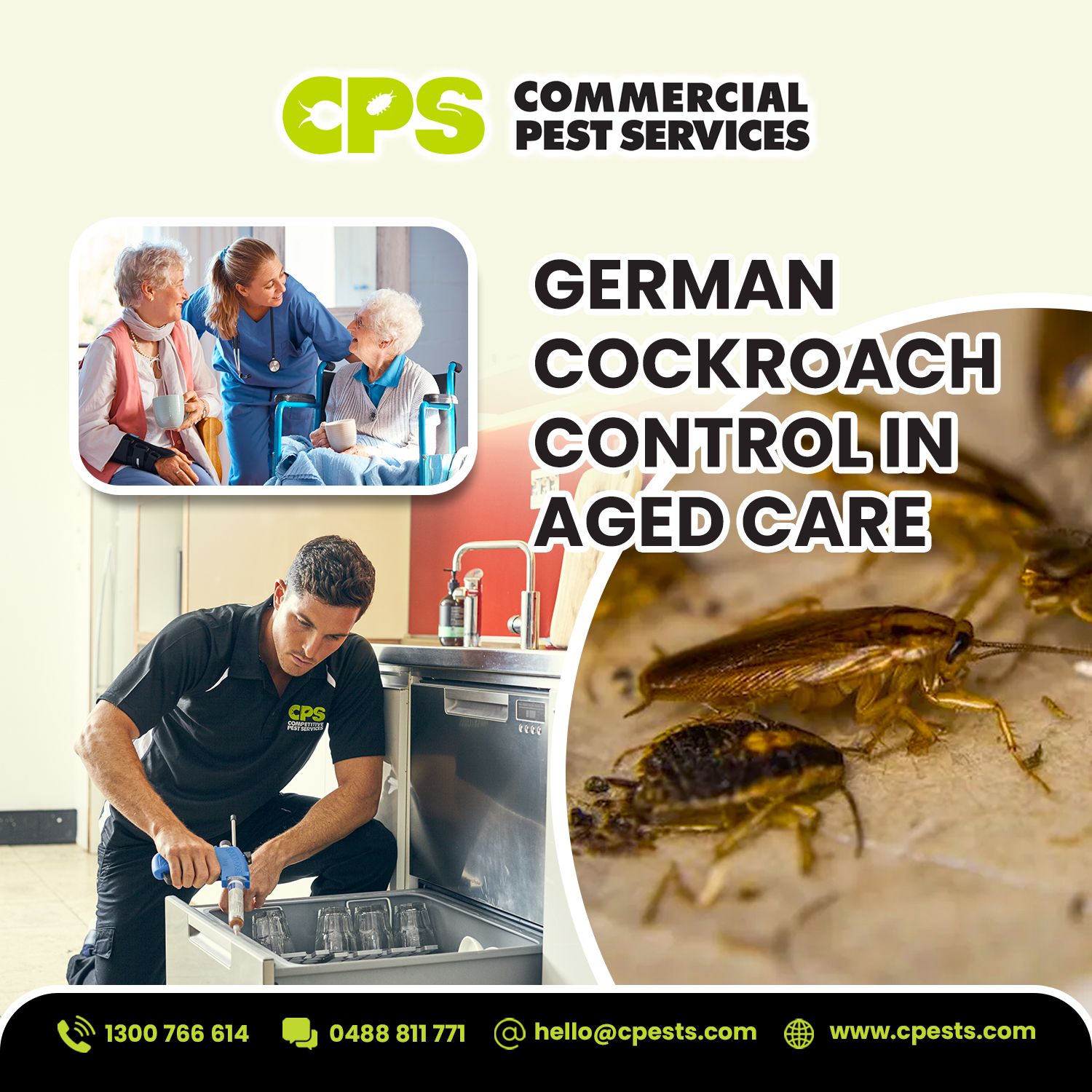
German Cockroach Control in Aged Care: HACCP-Compliant Food Safety & Hygiene Guide
May 27, 2026
Aged care services support older people who need help with daily living. Residential Aged Care offers 24-hour care, meals, and accommodation for those who can no longer live safely on their own. These residents, often frail or immunocompromised, are especially vulnerable to foodborne illness. A cockroach infestation in an aged care kitchen isn’t just a […]
Aged care services support older people who need help with daily living. Residential Aged Care offers 24-hour care, meals, and accommodation for those who can no longer live safely on their own. These residents, often frail or immunocompromised, are especially vulnerable to foodborne illness.
A cockroach infestation in an aged care kitchen isn’t just a nuisance. It threatens food safety, infection control, and the duty of care owed to residents. Since the 2021 Aged Care Royal Commission, Australian facilities face greater scrutiny on hygiene, with non-compliance risking fines and reputational damage.
German cockroaches (Blatella germanica)
are the main species of concern in kitchens due to their rapid life cycle and preference for warm, humid conditions. Competitive Pest Services (CPS) provides HACCP-compliant pest control programs tailored for aged care centres to eliminate cockroaches and ensure food safety.
Health Risks of Cockroach Infestation in Aged Care
Cockroach infestations are hard to eliminate without the right tools, as they hide in tiny cracks and breed quickly. In aged care, the risks go beyond just being unpleasant.
Pathogen spread: Cockroaches carry bacteria like Salmonella and E. coli on their droppings and body parts. One German cockroach can produce 20-40 droppings daily, each with many bacteria. They contaminate food surfaces as they forage.
Respiratory issues: Cockroach allergens can worsen asthma in 30-50% of sensitised elderly residents.
Common contamination spots:
Kitchen benches and plate trolleys
Bain-maries and dishwasher seals
Medication trolleys and staff rooms
Residents’ rooms with snacks
For example, a 2024 Sydney aged care kitchen found cockroaches in dishwasher seals, causing a gastro outbreak affecting residents and triggering health notices.
Key Cockroach Species in Aged Care
Identifying the right cockroach species is vital for effective control. Without expert help, correct identification happens only 43% of the time, and mistakes can lead to failed treatments.
German cockroach:
Small (11-16mm), light brown with dark stripes on the thorax. They mature quickly (about 50-60 days) and prefer warm, moist kitchen equipment.
American cockroach:
Larger (35-53mm), reddish brown, good fliers, often found in roof spaces and service tunnels. They enter buildings during humid months.
Australian cockroach:
Brown with yellow markings around the head and wings. Smaller than American cockroaches, often enter from garden beds or rubbish areas.
Brown banded cockroach:
Medium-sized, prefers dry, elevated spots like bedside tables and electrical equipment—especially concerning in dementia units.
Oriental cockroach(Blatta orientalis):
Dark brown, found in damp basements and older buildings, often indicating drainage issues.
Why Cleanliness Matters in Aged Care
Aged care aims to maintain seniors’ independence and well-being. Food hygiene is essential to this mission.
Cockroaches can move between waste rooms, kitchens, and medication areas, increasing contamination risks.
HACCP Compliance and Food Safety in Aged Care
HACCP is a system to identify, evaluate, and control food safety hazards through seven principles. It’s legally required for most Australian food businesses, including aged care kitchens.
Critical control points (CCPs): Steps where hazards can be controlled.
Establish critical limits: Set maximum or minimum values to keep hazards in check.
Monitoring: Regular checks to ensure CCPs are under control.
Corrective actions: Steps to take if limits are exceeded.
Verification: Confirm the system works effectively.
Record keeping: Keep documentation for audits and compliance.
Pests like cockroaches are biological hazards that must be addressed in food safety programs. Pest management records support HACCP verification.
German Cockroach Behaviour in Aged Care Kitchens
German cockroaches prefer tight cracks (5mm or less) near food and water sources. They stay close to their hiding spots, making them hard to detect.
Common hiding places:
Under benches and behind splashbacks
Inside fridge and oven seals
Behind microwave panels and tiles
Under bain-maries and coffee machines
Near outdoor waste areas
Each egg case holds 30-40 nymphs, and multiple generations can develop yearly in warm, humid spots.
Signs to watch for:
Tiny droppings in cupboards
Brown egg capsules in cracks
Smear marks along paths
Musty smells near dishwashers
Critical Control Points for Cockroach Control
Within HACCP, cockroach control fits into site risk assessments.
Key CCP locations:
Delivery docks (check incoming goods)
Dry storage (sealed food, raised shelving)
Cool rooms (door seals)
Food prep benches (no live insects allowed)
Dishwashing areas (seal and moisture checks)
Waste compactors (cleaning schedules)
Dining rooms with food trolleys
Critical limits: Zero tolerance for live cockroaches in food areas. Any sighting triggers immediate action.
Monitoring includes:
Pest sighting logs
Temperature and sanitation records
Quarterly pest trend reviews with CPS
Quarterly Pest Management and Food Safety
CPS schedules inspections and treatments throughout the year to address seasonal cockroach risks.
Q1 (Jan-Mar): Focus on internal German cockroach control with baits. Review summer data.
Q2 (Apr-Jun): Treat perimeter for American and Australian cockroaches. Inspect drains.
Q3 (Jul-Sep): Monitor brown banded cockroaches in living areas. Conduct full site inspections.
Q4 (Oct-Dec): Prepare for summer by treating external bins, drains, and sealing entry points. Review annual pest management.
Technicians monitor traps, analyse trends, and provide HACCP-aligned recommendations each quarter.
Integrated Cockroach Control Methods
Effective control combines sanitation, exclusion, and targeted treatments. DIY methods may offer short-term relief but often fail long-term.
Non-chemical methods:
Seal cracks and gaps
Fix door sweeps
Install vent mesh
Proper waste handling and sealed bins
Chemical options:
Low-odour gels (fipronil, indoxacarb)
Insect growth regulators
Dusts in voids and roof spaces
Non-repellent sprays away from food areas
All treatments follow food safety rules and protect vulnerable residents. CPS uses eco-friendly, least-toxic options aligned with sustainability goals.
How Competitive Pest Services Supports Aged Care
Competitive Pest Services is an Australian-owned provider with trained technicians experienced in aged care.
Program features:
Integration with HACCP food safety programs
Digital reports and site maps
Chemical registers with safety data sheets
Pest trend analytics for quality control
Audit-ready documentation
CPS offers year-round protection with scheduled German cockroach control and perimeter treatments for other species. Their 200% service guarantee ensures quick responses to urgent issues.
Roles and Responsibilities
Effective cockroach control is a team effort.
Facility management:
Maintain building integrity and seal gaps
Budget for pest control
Train staff on food safety standards
Enforce food policies in resident areas
Kitchen teams:
Clean food prep areas daily
Monitor pest traps and report sightings
Follow CPS recommendations
CPS technicians:
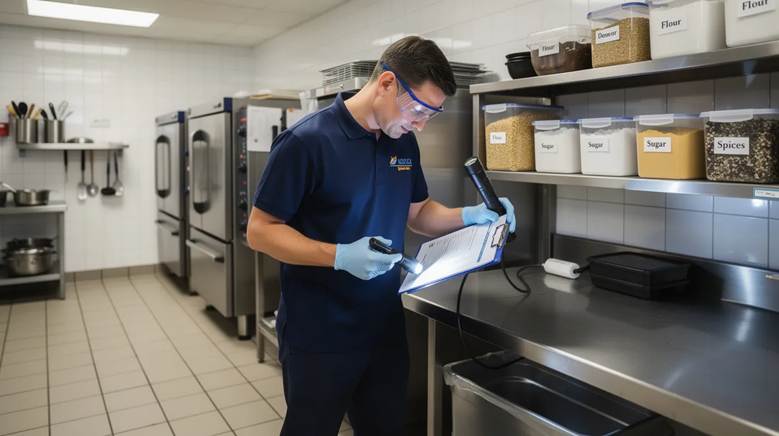
Conduct inspections and identify species
Assess risks and select treatments
Provide HACCP-aligned reports
Hold quarterly reviews
Cockroach control must aim for zero tolerance with swift action on any sightings.
Responding to Cockroach Sightings
If a cockroach is spotted in a critical area:
Isolate and discard potentially contaminated food. Clean and sanitise affected surfaces. Log the incident.
Notify facility management and CPS immediately.
CPS conducts emergency inspection, confirms species, and applies corrective actions documented for HACCP records.
Communicate transparently with residents and families as appropriate.
Designing Cockroach-Resistant Kitchens
Good building design helps prevent infestations.
Kitchen design tips:
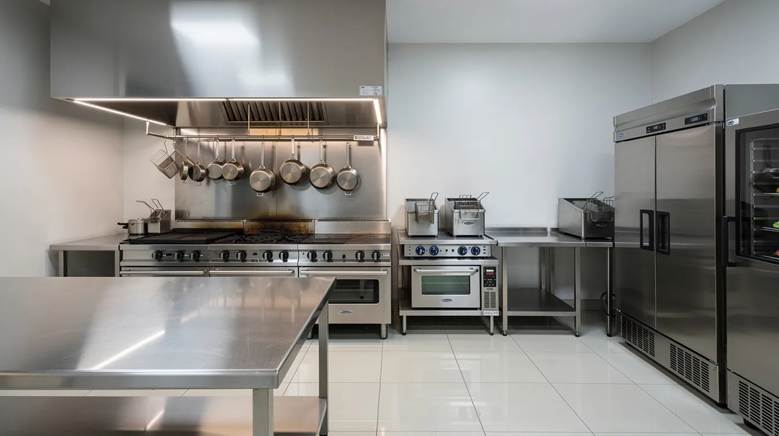
Stainless steel benches on legs for easy cleaning
Sealed wall-floor junctions with coved skirting
Minimal exposed timber
Easy-access kickboards
Storage design:
Raised shelving with clear labels
FIFO stock rotation
Avoid overstocking dry goods
Store food in sealed containers
Plumbing and drainage:
Floors with proper gradient
Sealed pipe penetrations
Well-trapped drains to reduce cockroach entry
Pest monitors under benches and in ceilings allow technicians easy access during inspections.
Conclusion: Protecting Residents Through Proactive Cockroach Control
Aged care services ensure the safety and well-being of older Australians. Cockroach infestations threaten this mission and must be controlled within HACCP-based food safety programs.
Regular inspections, strict hygiene, and integrated pest management involving CPS and facility teams create a safe environment. This supports seniors’ independence and health by ensuring their meals are prepared in cockroach-free kitchens.
Contact Competitive Pest Services today for a site assessment or to design a HACCP-aligned pest program. Protect your residents. Protect your reputation.
Our seniors deserve a sanctuary that is as safe as it is clean.
For residents who are frail or immunocompromised, a pest sighting is more than just a nuisance; it’s a direct threat to their health. German cockroaches carry dangerous bacteria like Salmonella and E. coli, which can lead to serious foodborne illnesses. Furthermore, cockroach allergens are a major trigger for respiratory issues, potentially worsening asthma in up to 50% of sensitive elderly residents.
Protecting a facility requires a zero-tolerance approach and strict HACCP compliance. Effective hygiene means targeting high-risk areas like dishwasher seals, medication trolleys, and resident kitchenettes where pests often thrive. By using low-toxicity, eco-friendly treatments and regular monitoring, we can eliminate infestations without compromising the comfort or safety of those in your care.
Dedication to resident well-being begins with a foundation of impeccable hygiene.
Book your HACCP-aligned site assessment with CPS today.
We acknowledge the Traditional Custodians of Country throughout Australia and their connections to land, sea, and community.
We pay our respect to their Elders past and present and extend that respect to all Aboriginal and Torres Strait Islander peoples today.