Australia is known for its diverse and unique wildlife and that includes pests. From insects and rodents to spiders and flying insects, it is entirely normal to encounter a wide range of species across the country. Australia faces a diverse range of pests that cause significant economic and structural damage.
However, the presence of pests does not always mean there is a problem. In many cases, it reflects Australia’s natural ecosystem. The key is understanding when pests are part of the environment and when they become a risk.
Why Australia Has High Pest Activity
Australia’s environment naturally supports a high level of pest activity. This is largely due to its climate and geography.
Climate Conditions
Much of Australia experiences warm temperatures for extended periods of the year. In coastal regions, humidity further supports pest breeding and survival. Even in cooler seasons, many pests remain active in sheltered environments.
Geographic Diversity
Australia’s large landmass includes urban areas, bushland, coastal zones, and dry inland regions. This diversity creates ideal habitats for different pest species. Many properties are also located close to natural environments, making interaction between pests and human spaces more common.
The result: pest activity is not seasonal alone but it is often continuous, depending on location and conditions.
The Role of Pests in the Ecosystem
Not all pests are harmful. In fact, many play an important role in maintaining ecological balance.
Some contribute by:
- Breaking down organic matter and waste
- Acting as a food source for other animals
- In the case of invasive plants, altering ecosystem balance, sometimes detrimentally
For example, certain insects help with decomposition, while spiders play a role in controlling insect populations. Changes in pest population, whether an increase or decrease, can disrupt the natural balance and affect other species.
This highlights an important point: Pests are part of the ecosystem and the issue arises when they enter human environments.
When Pests Become a Problem
Pests become a concern when they move from natural habitats into homes, businesses, or facilities.
This usually happens when conditions become favourable, such as:
- Easy access to food sources
- Safe shelter and nesting areas
Pests like mice, cockroaches, and stored product pests can contaminate food, leading to expensive spoilage and significant health risks.
In built environments, these conditions can be unintentionally created through:
- Cluttered or undisturbed spaces
Pests such as cockroaches and rodents can spread bacteria like E. coli and Salmonella, contaminating food and surfaces and increasing the risk of disease transmission.
When this occurs, pest activity can quickly shift from occasional sightings to established infestations.
Common Pests in Australia
Australia is home to thousands of pest species, but several are commonly encountered in residential and commercial environments.
Rodents
Highly adaptable and commonly found in urban areas. They seek food and shelter indoors and can contaminate surfaces and damage structures.
Cockroaches
Thrive in warm, humid conditions. Often found in kitchens, storage areas, and drains, they are strongly linked to sanitation issues.
Spiders
Australia has a wide variety of spider species. While most are harmless, some are venomous and require caution.
Ants
Widespread and persistent. They are generally low-risk but can become invasive when food sources are easily available.
Bees and Wasps
Bees play a vital role in pollination and are environmentally beneficial. Wasps, on the other hand, can be aggressive and pose risks in high-traffic areas. The European wasp is an invasive and problematic species in Australia, known for building large nests, being highly aggressive, and causing allergic reactions through painful stings.
Hazardous vs Non-Hazardous Pests
Understanding the difference between harmful and low-risk pests is important for effective management. In Australian agriculture, pests are categorized into vertebrate pest animals and insects/mites, with each group causing widespread production losses. Vertebrate pest animals, such as rabbits and foxes, can have significant impacts on agriculture and ecosystems, leading to both economic losses and environmental damage.
Potentially Hazardous
- Certain spiders (such as funnel-web and redback)
- Rodents (due to contamination and disease risks)
- Wasps (stings and allergic reactions)
Generally Low-Risk or Beneficial
- Bees (essential pollinators)
Not all pests require the same level of response. The level of risk depends on the species, location, and level of activity.
How to Get Ahead of Pest Activity in Australia
Managing pests effectively in Australia requires a proactive and structured approach. The goal is not elimination, but control and prevention.
Understand Seasonal Patterns
Different pests become more active at different times of the year. Being aware of these patterns allows for early action before activity increases.
Maintain Clean Environments
Good sanitation reduces access to food and water:
- Avoid leaving food exposed
Regular cleaning and proper waste management are critical for pest control, as they help eliminate food sources and breeding grounds for pests in Australia.
Reduce Shelter Opportunities
Limiting hiding and nesting areas is key:
- Keep areas well-maintained
- Ensure proper ventilation
Address Structural Gaps
Pests often enter through small openings:
- Seal cracks and entry points
- Maintain doors, windows, and screens
Monitor for Early Signs
Regular checks help identify problems before they escalate:
- Look for droppings, damage, or unusual activity
- Act early when signs appear
Consistency is critical. Small preventive actions can significantly reduce long-term risk.
Integrated Pest Management: A Modern Approach
Integrated pest management (IPM) represents a forward-thinking approach to managing pests in Australia, combining multiple techniques to achieve effective, sustainable outcomes. Rather than relying solely on chemical controls, IPM incorporates biological, cultural, and mechanical methods to minimize environmental damage and promote long-term ecosystem health.
The Role of Professional Pest Management
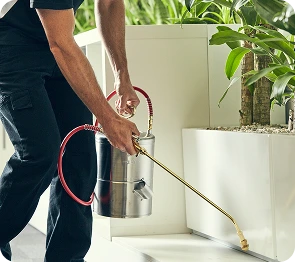
While general prevention is effective, pest control services in Australia often include structured programs for termite management, bird control, and disinfection, catering to both residential and commercial needs. Professional pest management adds another layer of control.
A structured pest management approach typically includes:
- Detailed inspections to identify risks
- Monitoring systems for early detection
- Targeted treatments based on actual activity
- Ongoing assessment and adjustment
Professional pest control services are essential for managing common pests such as cockroaches, mice, and termites, which can cause significant damage to properties and pose health risks. This ensures pest risks are managed systematically rather than reactively.
Professional support is particularly important in environments where:
- Hygiene standards are critical
- Pest activity is persistent
- Compliance requirements must be met
Pests are a natural part of Australia’s environment. While complete eradication of pests is rarely feasible or desirable, the goal is to manage their interaction with human environments effectively. Pest management remains an ongoing subject of importance for Australia, requiring strategic and adaptive approaches.
By understanding how and why pests exist, and by taking a proactive approach to prevention, it is possible to maintain spaces that are both controlled and aligned with the surrounding environment.
In Australia, effective pest management is about balance: protecting people, property, and operations while respecting the natural ecosystem. Billions of dollars are lost annually in production, repair costs, and management expenditure due to pests, underscoring the critical importance of effective pest management.