Send us a message and one of our specialists pest managers will be in touch
Agricultural Pest Control
May 22, 2026
Agricultural pest control is a critical aspect of Australia’s farming sector, which is a broad industry that most Australian citizens depend on for food, fiber, and economic stability. Pest control is essential because unmanaged pests can lead to significant yield and quality losses in crops, threaten food security, and impact the livelihoods of farmers and agricultural professionals. […]
Agricultural pest control is a critical aspect of Australia’s farming sector, which is a broad industry that most Australian citizens depend on for food, fiber, and economic stability. Pest control is essential because unmanaged pests can lead to significant yield and quality losses in crops, threaten food security, and impact the livelihoods of farmers and agricultural professionals.
This article will cover the main methods, technologies, and best practices in agricultural pest control, providing practical guidance for farmers, agricultural professionals, and stakeholders. By understanding and implementing effective pest management strategies, you can protect yields, promote sustainability, and ensure the economic viability of your agricultural operations.
Protecting farms from destructive pests is crucial to safeguarding Australia’s agricultural future. Australia’s biosecurity system also plays a vital role in reducing the risk of exotic pest and disease incursions, which can severely impact agricultural productivity and trade.
Why farming activities attract pests?
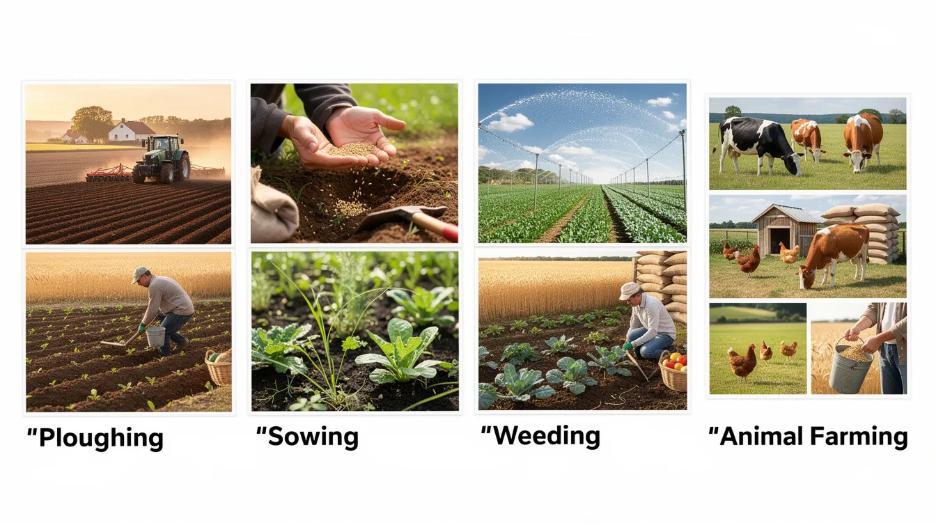
Farmers take charge in controlling or removing these common pests such as birds and rodents, which harm not only agricultural commodities but also jeopardize the agricultural workforce. Australian farmers engage in activities such as cultivation of land, raising livestock animals, and managing storage practices for various agricultural products like milk, meat, and eggs, as well as non-food materials like wool, fibers, pharmaceuticals, and fertilizers.
In the agricultural industry, farmers work hard consistently to gain these valuable resources throughout the years. Not only is the agricultural industry an essential sector for Australian economic growth, but the Australian government also ensures local authorities support the supply chain and food safety.
Understanding why pests are attracted to farms helps inform the strategies used to control them, which are discussed in the next section.
What are the 3 ‘C’s of pest control in the agricultural industry?
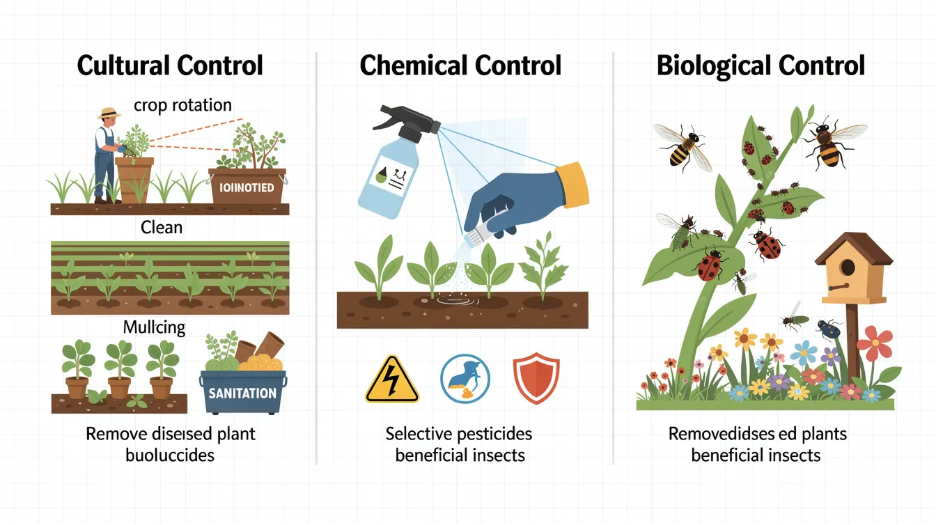
Effective pest management in agriculture relies on a combination of strategies, often summarized as the 3 ‘C’s: Cultural Control, Chemical Control, and Biological Control. Integrated Pest Management (IPM) strategies are being promoted in the agricultural sector as environmentally sensitive alternatives to traditional pest control methods, focusing on pest thresholds and targeted interventions rather than broad pesticide applications.
Cultural Control
Cultural control involves modifying the farming environment to make it less attractive or suitable for pests. This approach includes:
Crop rotation to disrupt pest life cycles
Adjusting planting times to avoid peak pest periods
Proper sanitation measures to remove pest habitats and limit food and shelter for pests such as rodents and insects
By altering the conditions that pests rely on, cultural control helps reduce pest populations naturally and sustainably, minimizing the need for chemical interventions.
Chemical Control
If some pests cannot be managed with cultural control techniques, chemical products may be used to destroy harmful pests like rodents and insects. The major issue these pests cause to the agricultural industry is that they have free-water availability and food resources.
Selective pesticides: Target only the harmful pests so that beneficial insects are not damaged.
Biopesticides: Use natural materials like microbes or botanical extracts to control mice and harmful animals before infestations spread across fields.
Biological Control
Sustainable pest control practices include the use of biological options such as beneficial insects, plant-derived biochemicals, and genetic resistance in crops, which can reduce the need for chemical pesticides.
This method uses natural predators, parasites, or pathogens to manage pest populations. Instead of relying on chemicals, biological control encourages the presence of beneficial organisms that naturally keep harmful pests in check.
For example, ladybugs can be introduced to control aphid populations, and certain types of wasps can target caterpillars that damage crops. This approach is sustainable and eco-friendly, reducing the need for chemical pesticides and helping maintain a balanced ecosystem on the farm. Biological control is an important part of integrated pest management strategies, offering farmers a way to protect their crops while supporting biodiversity and long-term agricultural health.
Transitioning from these core strategies, the next section explores how technology is enhancing pest management in modern agriculture.
Effective Pest Management Using Technology
Automation in pest control includes automated technology for precision weeding and targeted spraying. Digital monitoring tools and advanced systems provide real-time footage of pest activity, enabling proactive responses to infestations and reducing reliance on traditional pest management practices.
Technological advancements such as sensors and automated imaging systems are being deployed to detect and monitor pest populations, allowing for more informed pest management decisions.
The use of ecological pest forecasting models integrates observations with variables like pest breeding rates and climate, enabling pre-emptive pest management strategies.
Understanding the benefits of modern pest control strategies is essential for sustainable and profitable farming, as discussed in the next section.
Benefits of Modern Pest Control Strategies
Cost-effective pest management strategies reduce reliance on chemical insecticides, lower production costs, and minimize environmental and health risks.
By adopting these modern approaches, farmers can achieve better yields, protect beneficial species, and ensure long-term sustainability for their operations.
The next section examines the role of genetic modification in Australian agriculture, particularly in the dairy industry.
Genetic Modification That Affects the Australian Dairy Industry
Benefits of Genetic Modification
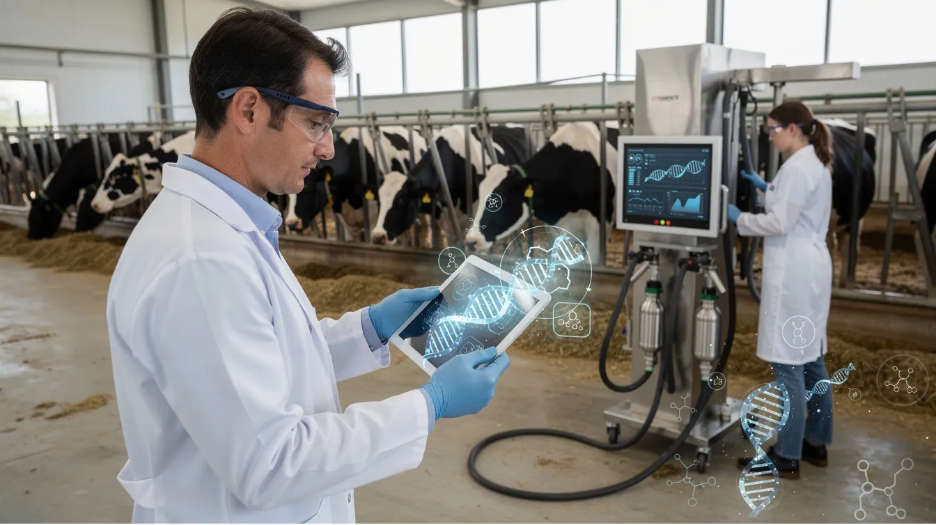
In Australian agriculture, genetic modification plays a growing role, especially in the dairy industry. It involves changing the DNA of plants or animals to improve traits like disease resistance or productivity. For dairy farmers, this technology can help produce cows that are healthier, more resistant to diseases, and better suited to Australia’s climate. This reduces the need for chemicals and treatments, lowering costs and improving animal welfare.
Regulation and Safety
While it is widely used in crops such as cotton and canola, its application in dairy is more cautious due to strict regulations and public concerns. The Australian Gene Technology Act regulates the use of genetically modified organisms to ensure safety for people and the environment.
Overall, genetic modification offers promising benefits for Australian dairy producers by enhancing productivity and sustainability, helping the industry adapt to challenges like climate change and disease threats.
Role of Livestock in Pest Control
Other livestock beneficial to the agricultural dairy firm include sheep and beef cattle, which play important roles in diversified farm systems across Australia. Sheep contribute wool and meat, supporting income streams and enhancing land use efficiency, especially in mixed farming operations. Beef cattle, prevalent in regions like northern Australia and the pastoral zone, complement dairy farming by providing additional revenue and helping manage pasture through grazing.
Key benefits of integrating sheep and beef cattle with dairy farming include:
Providing additional income streams through wool, meat, and beef production
Enhancing land use efficiency in mixed farming systems
Supporting sustainable land management practices
Improving soil health through grazing management
Naturally reducing pest pressures on agricultural land
Increasing farm resilience to climatic variability across different regions
The following section highlights the importance of industry resources like ABARES in supporting pest control and agricultural decision-making.
Top Navigation ABARES
About ABARES
The Australian Bureau of Agricultural and Resource Economics and Sciences (ABARES) is a key resource for understanding Australia’s agricultural landscape. ABARES provides valuable data and insights on agricultural production, pest control, and industry trends.
How ABARES Supports Pest Control
Their research supports growers, policy makers, and businesses by offering up-to-date information on challenges like pest management, climate impacts, and market developments.
“By leveraging ABARES resources, farmers and stakeholders can make informed decisions to protect property, improve crop yields, and enhance sustainability.”
Get Start with Effective Agricultural Pest Control
Protect your farm and boost your crop yields today. Contact our experts to create a tailored pest management plan that fits your needs. Whether you need advice on cultural, chemical, or biological control, we’re here to help.
We acknowledge the Traditional Custodians of Country throughout Australia and their connections to land, sea, and community.
We pay our respect to their Elders past and present and extend that respect to all Aboriginal and Torres Strait Islander peoples today.