Send us a message and one of our specialists pest managers will be in touch
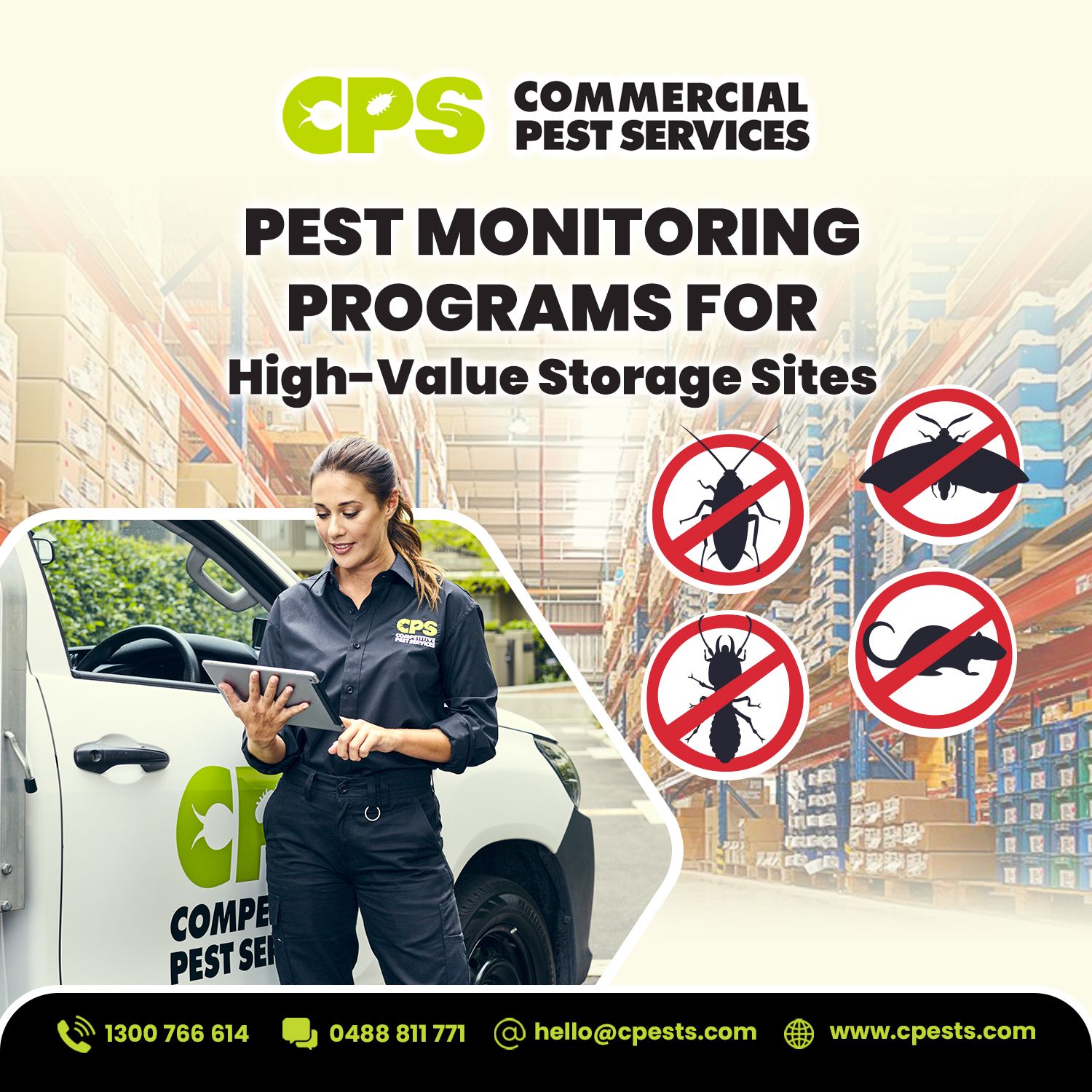
Pest Monitoring Programs for High-Value Sites
May 28, 2026
Government Sites That Prioritize Environmental Quality Control High-value facilities require more than basic pest treatment. Government buildings, schools, warehouses, healthcare facilities, and sensitive commercial environments need structured pest monitoring systems that focus on prevention, compliance, and long-term protection. Across Australia, many organisations now prioritize environmentally responsible pest management to reduce health risks, protect valuable assets, and maintain safe working environments. At […]
Government Sites That Prioritize Environmental Quality Control
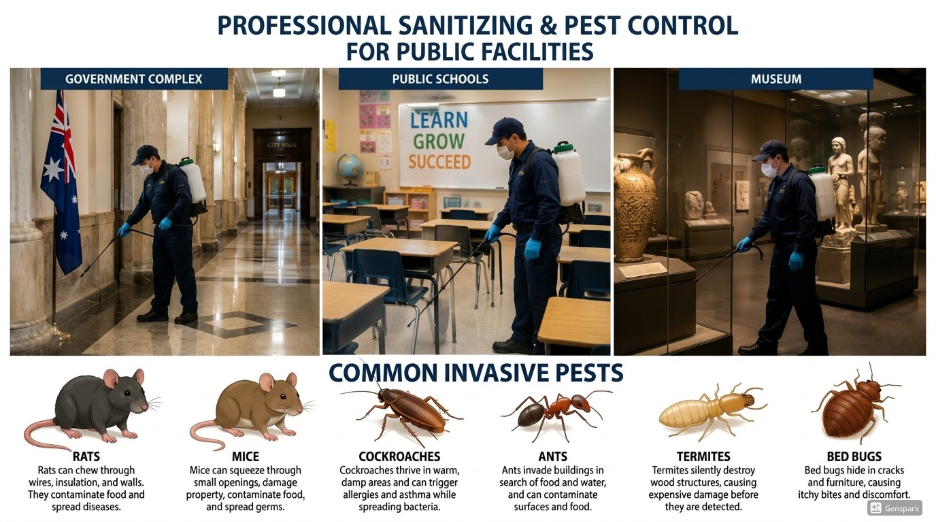
High-value facilities require more than basic pest treatment. Government buildings, schools, warehouses, healthcare facilities, and sensitive commercial environments need structured pest monitoring systems that focus on prevention, compliance, and long-term protection.
Across Australia, many organisations now prioritize environmentally responsible pest management to reduce health risks, protect valuable assets, and maintain safe working environments.
At Competitive Pest Control, we use environmentally responsible pest management solutions to help manage common pests such as:
Cockroaches
Ants
Rodents and mice
Moths
Stored-product pests
Our pest management process follows HACCP-based procedures and focuses on long-term effectiveness while minimizing unnecessary chemical exposure.
We also support clients with:
Digital reporting
Scheduled inspections
Monitoring systems
Compliance documentation
Site-specific risk assessments
Different treatment methods and monitoring systems may vary depending on the site requirements and service package selected.
Sites That Need Pest Monitoring the Most
Some commercial environments are more vulnerable to hidden pest activity because of the products they store, the size of the facility, or the level of hygiene and compliance required.
Facilities that benefit most from pest monitoring programs include:
Warehouses
Large storage facilities often contain hidden areas where rodents and insects can nest unnoticed for long periods.
Food Storage and Packaging Facilities
Food-handling environments attract pests searching for food, water, and shelter. Monitoring helps reduce contamination risks and supports food safety compliance.
Pharmaceutical and Healthcare Environments
Healthcare facilities require strict hygiene control to protect patients, products, and sensitive environments from contamination risks.
Museums and Archive Storage
Paper, textiles, wood, and stored materials can become vulnerable to moths, silverfish, rodents, and other pests that damage valuable collections.
Leased Commercial Buildings and Multi-Tenant Sites
Shared facilities increase the risk of pest movement between businesses, storage areas, waste zones, and service corridors.
Textile, Retail, and Product Distribution Spaces
Stored products, fabrics, and packaging materials may attract insects and rodents if monitoring is inconsistent.
What a Pest Monitoring Program Includes
A professional pest monitoring program focuses on early detection and ongoing risk management rather than reacting only after infestations appear.
A good program usually combines:
Routine inspections
Trap placement
Species identification
Record keeping
Trend analysis and reporting
In commercial environments, monitoring also includes checking:
Building access points
Loading docks
Waste disposal zones
Food-handling areas
Storage rooms
Moisture-prone areas
These inspections help identify the conditions that attract pests before activity becomes more severe.
How Pest Monitoring Works
Effective pest monitoring follows a structured process designed to track pest activity over time.
Scheduled inspections
High-risk areas are inspected regularly to identify early warning signs before infestations spread.
Monitoring devices
Traps and monitoring systems are placed in key locations where pest activity is most likely to occur.
Species identification
Technicians record the type of pest, activity levels, and movement patterns throughout the facility.
Data review and reporting
Inspection results are reviewed to identify seasonal trends, recurring pest pressure, and high-risk areas.
Preventative adjustments
Monitoring results help businesses improve sanitation, exclusion, and treatment strategies based on the findings.
This ongoing process gives facility managers better visibility and control over hidden pest risks.
Common Warning Signs of Hidden Pest Activity
Pests often remain hidden until infestations become larger and more difficult to manage. Regular monitoring helps identify warning signs early.
Some of the most common signs include:
Droppings
Gnaw marks
Nesting materials
Live pest sightings near stock or loading areas
Damaged packaging or products
Recurring activity in the same locations
Increasing trap counts over time
Unusual odours in storage or service areas
These signs may indicate that pests are already moving through hidden areas of the building.
Benefits for Commercial Businesses
Pest monitoring programs help businesses reduce the risk of unexpected infestations by identifying problems before they spread through stock, equipment, or infrastructure.
For commercial facilities, monitoring also supports:
Compliance requirements
Food safety standards
Workplace hygiene
Asset protection
Operational continuity
Long-term cost reduction
Detailed monitoring records also help businesses understand whether their pest management program is working effectively.
For high-value facilities, pest monitoring becomes a long-term risk management strategy rather than a reactive pest control service.
Why Professional Support Matters
Professional pest management teams provide more accurate identification, better trap placement, and stronger interpretation of monitoring data.
This is especially important for facilities with:
Multiple storage areas
Sensitive assets
High stock volumes
Strict compliance requirements
Recurring pest pressure
Professional monitoring programs also help businesses identify hidden structural risks and environmental conditions that may otherwise go unnoticed.
Long-term monitoring provides a clearer picture of seasonal pest behaviour and helps businesses respond before infestations become expensive or disruptive.
If your facility stores valuable stock or sensitive assets, set up a professional pest monitoring program before hidden pest activity becomes costly.
Book a commercial pest assessment with Competitive Pest Control and stay ahead of hidden pest risks before they affect your operations.
We acknowledge the Traditional Custodians of Country throughout Australia and their connections to land, sea, and community.
We pay our respect to their Elders past and present and extend that respect to all Aboriginal and Torres Strait Islander peoples today.