Send us a message and one of our specialists pest managers will be in touch
Effective Pest Management: Inspection, Treatment and Monitoring
July 27, 2026
Many people think pest management starts and ends with treatment. However, modern pest management involves much more than removing pests from a property. Today, the process is simpler for customers, yet the technology, tools, and strategies behind it are more advanced than ever. Effective pest management follows a continuous cycle designed to identify risks, address current issues, […]
Many people think pest management starts and ends with treatment. However, modern pest management involves much more than removing pests from a property.
Today, the process is simpler for customers, yet the technology, tools, and strategies behind it are more advanced than ever. Effective pest management follows a continuous cycle designed to identify risks, address current issues, and prevent future problems.
At Competitive Pest Services (CPS), we believe long-term protection comes from three important stages: inspection, treatment, and monitoring.
Each stage plays a unique role in helping homes and businesses stay protected throughout the year.
Stage 1: Inspection – Understanding the Problem Before It Grows
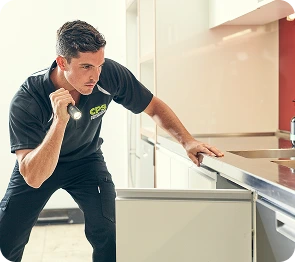
Every effective pest management program starts with a thorough inspection.
Before any treatment takes place, it is important to understand what pests are present, what conditions may attract them, and how much risk exists within the property.
Many pest problems begin quietly. Therefore, inspections help identify issues before they become more serious.
Termites provide a good example. These pests often remain hidden inside walls, timber structures, and subfloors while causing damage over time. By the time visible signs appear, significant damage may already exist. You might be interested in the causes of termite infestations.
At CPS, our termite inspections include detailed site assessments supported by specialised tools such as moisture meters and imaging technology. These tools help identify moisture issues and early signs of termite activity that may not be visible during a standard visual inspection.
Most importantly, inspections help create the foundation for the next stage of pest management.
Stage 2: Treatment – Tailored Solutions for Every Environment
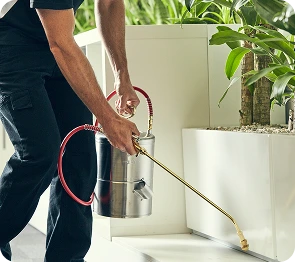
Once the inspection is complete, the next step is selecting the most suitable treatment strategy.
No two pest problems are exactly the same. Likewise, different industries face different risks and operational requirements.
For residential properties, treatment programs often focus on protecting families, pets, and homes from pests such as termites, rodents, ants, cockroaches, and spiders.
Commercial environments require a different approach. Food manufacturing facilities may need compliance-focused pest management programs. Healthcare facilities often require solutions that support hygiene and infection prevention objectives. Meanwhile, warehouses may focus on rodent management, bird control, and ongoing monitoring.
At CPS, we tailor pest management services to each property and industry. Rather than using a one-size-fits-all approach, we develop solutions based on pest activity, environmental conditions, and customer requirements. Learn more about our commercial pest control for your industry.
This helps ensure treatments remain effective while supporting long-term prevention.
Stage 3: Monitoring – Staying Ahead of Future Pest Risks
Pest management does not stop once a treatment is completed.
Conditions can change over time due to weather, operational changes, construction activity, or environmental factors. Therefore, ongoing monitoring plays a vital role in maintaining protection.
Monitoring helps identify new pest activity early, allowing issues to be addressed before they escalate.
For commercial facilities, CPS Smart Monitoring provides an advanced approach to pest management. Through digital monitoring systems and the OneCloud platform, customers can gain greater visibility into rodent activity across their sites.
For example, smart rodent monitoring stations can provide real-time alerts when activity occurs. This allows faster responses while supporting more proactive pest management strategies.
As a result, businesses can strengthen their pest management programs while reducing operational risks.
Why All Three Stages Matter
Inspection, treatment, and monitoring work together as a complete pest management cycle.
When one stage is missing, pest problems can become harder to manage. However, when all three stages work together, customers benefit from stronger prevention, earlier detection, and more effective outcomes.
At CPS, we take every stage seriously because each one contributes to a successful pest management program.
We are a partner, not just a contractor. By combining detailed inspections, tailored treatments, and advanced monitoring solutions, we help homes and businesses stay protected today while preparing for tomorrow’s pest risks.
We are committed to providing services that are effective, transparent, and easy to understand.
Contact CPS today to arrange a professional inspection and tailored treatment plan.
We acknowledge the Traditional Custodians of Country throughout Australia and their connections to land, sea, and community.
We pay our respect to their Elders past and present and extend that respect to all Aboriginal and Torres Strait Islander peoples today.