Send us a message and one of our specialists pest managers will be in touch
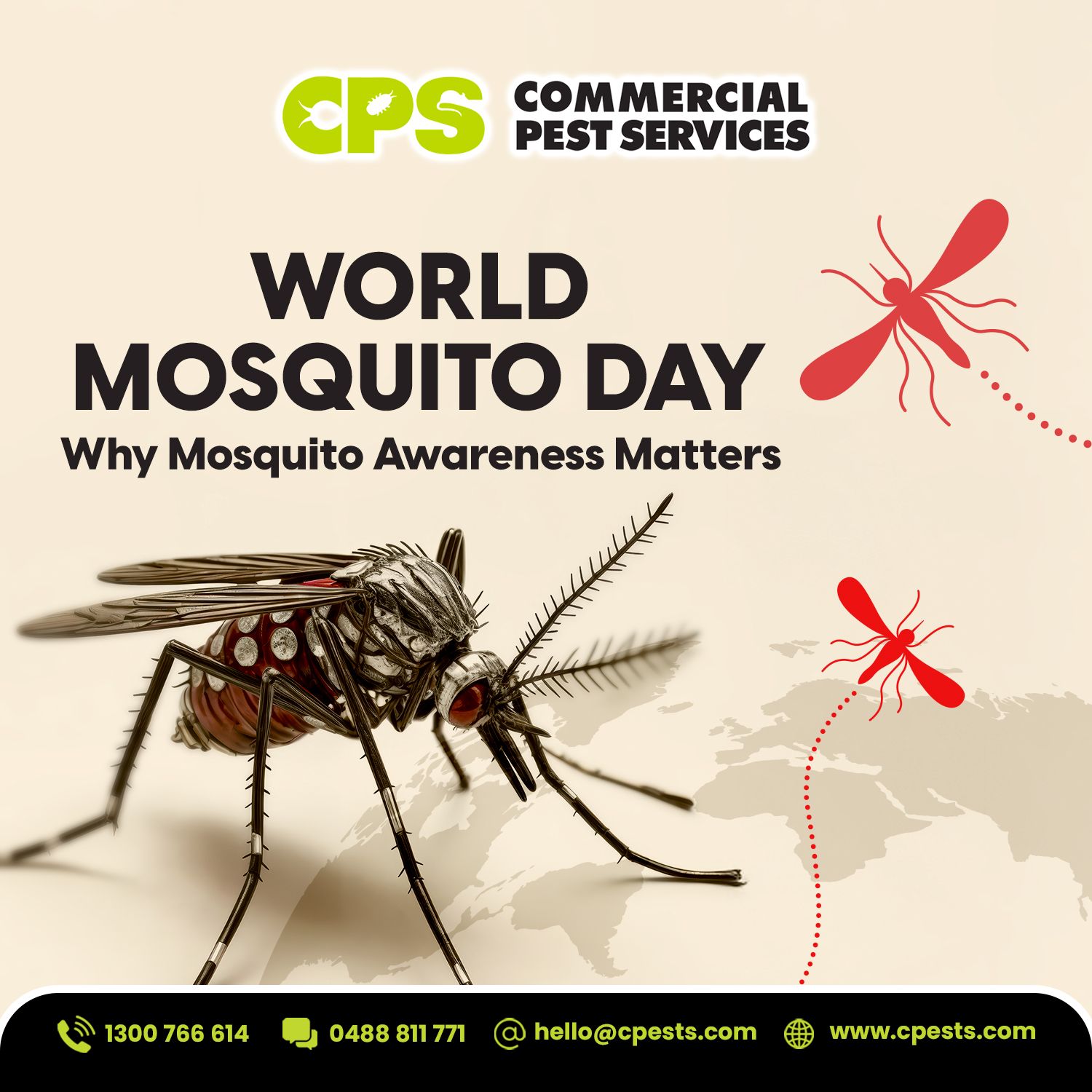
World Mosquito Day: Why Mosquito Awareness Matters
August 20, 2026
Every year on August 20, World Mosquito Day provides an opportunity to talk about one of the world’s most significant disease vectors. The day commemorates Sir Ronald Ross’s 1897 discovery that mosquitoes transmit malaria parasites. More than a century later, mosquitoes remain an important global health concern. For Australia, mosquito awareness remains relevant because different mosquito species can transmit diseases, while travel and changing environmental conditions […]
Every year on August 20, World Mosquito Day provides an opportunity to talk about one of the world’s most significant disease vectors.
The day commemorates Sir Ronald Ross’s 1897 discovery that mosquitoes transmit malaria parasites. More than a century later, mosquitoes remain an important global health concern.
For Australia, mosquito awareness remains relevant because different mosquito species can transmit diseases, while travel and changing environmental conditions can influence mosquito-related risks.
Therefore, World Mosquito Day is not simply about remembering a scientific discovery. It is also a reminder that prevention starts with understanding mosquito behaviour.
Why Are Mosquitoes a Health Concern?
Mosquitoes can transmit viruses and parasites when they bite.
The global burden remains substantial. The World Mosquito Program reports that mosquito-borne diseases kill more than one million people and infect up to 700 million people each year. Moreover, there are estimated 390 million dengue infections each year worldwide.
These figures demonstrate why mosquito prevention remains an important public health issue.
Australia Has Its Own Mosquito Risks
Australia has many mosquito species, but not every mosquito carries disease.
The health risk depends on factors such as mosquito species, local disease activity, environmental conditions, and exposure.
Australia has experienced mosquito-borne diseases including Ross River virus, Barmah Forest virus, dengue, Japanese encephalitis, and other infections.
Therefore, mosquito prevention should remain relevant even when disease activity is not obvious in your immediate area..
Climate and Mosquito Risks
Environmental conditions can influence mosquito activity.
The World Mosquito Program notes that warming temperatures and extreme weather patterns, including rainfall, flooding, drought, and heatwaves, can create favourable conditions for mosquitoes and potentially influence the geographical range of mosquito-borne diseases.
This makes ongoing awareness increasingly important as environmental conditions change.
Prevention Requires Everyone
Mosquito management is not the responsibility of one person or organisation.
Individuals can reduce breeding sites around their properties, use appropriate personal protection, and follow public health advice. Businesses can manage drainage, outdoor areas, standing water, and landscaping.
Professional pest management can also help identify conditions that encourage mosquito activity and recommend appropriate control strategies.
We are committed to providing services that are effective, transparent, and easy to understand.
Book an inspection now with CPS today to arrange a professional inspection and tailored treatment plan.
We acknowledge the Traditional Custodians of Country throughout Australia and their connections to land, sea, and community.
We pay our respect to their Elders past and present and extend that respect to all Aboriginal and Torres Strait Islander peoples today.