Send us a message and one of our specialists pest managers will be in touch
Why Every Home Needs an Annual Pest Inspection
September 2, 2026
Many homeowners only think about pest control after seeing ants in the kitchen, hearing rodents in the ceiling, or discovering termite damage. While this reaction is understandable, waiting for visible signs often means the pests have already been active for some time. A professional pest inspection is different. Instead of reacting to a problem, it focuses […]
Many homeowners only think about pest control after seeing ants in the kitchen, hearing rodents in the ceiling, or discovering termite damage. While this reaction is understandable, waiting for visible signs often means the pests have already been active for some time.
A professional pest inspection is different. Instead of reacting to a problem, it focuses on identifying pest risks before they develop into larger infestations. Just like servicing your car or checking your smoke alarms, a yearly inspection helps protect one of your biggest investments; your home.
Not Every Pest Wants to Be Seen
One of the biggest misconceptions about pests is that you will always notice them.
In reality, many common household pests spend most of their time hidden. Termites feed inside timber, rodents nest in roof spaces and wall cavities, while cockroaches hide behind appliances and inside cupboards during the day.
By the time these pests become obvious, they may have already caused damage or established a larger population.
That is why regular inspections play such an important role in residential pest control.
Small Changes Around Your Home Can Increase Pest Risks
Your home is constantly changing, even if you do not notice it.
A leaking tap may create excess moisture beneath a sink. Garden plants may begin touching external walls. Small gaps can appear around doors and windows, while changing weather conditions may encourage pests to move indoors.
Even home renovations, new landscaping, or additional storage areas can create new hiding places for pests.
An annual inspection helps identify these changes before they become pest problems.
What Happens During a Pest Inspection?
A professional inspection is much more than simply looking for insects.
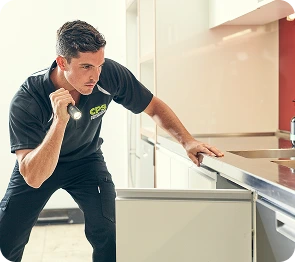
An experienced pest control technician carefully examines both the inside and outside of your property. The inspection includes checking common pest hiding places, identifying possible entry points, assessing moisture issues, and looking for early signs of activity.
When conducting termite inspections, Competitive Pest Services also uses professional equipment such as moisture meters and thermal imaging technology where appropriate. These tools help identify hidden conditions that may not be visible during a standard visual inspection.
Every inspection provides valuable information that helps guide future pest management decisions.
How Often Should a Home Be Inspected?
For most residential properties, a professional pest inspection every 12 months is a sensible recommendation.
However, some homes may benefit from more frequent inspections.
Properties built with significant amounts of timber, homes surrounded by dense vegetation, or houses with previous termite activity often require inspections every six to twelve months.
If your property has experienced flooding, storm damage, or ongoing moisture issues, arranging an additional inspection is also worthwhile.
Prevention Often Costs Less Than Repairs
When pest activity is discovered early, treatment is usually simpler and more manageable.
On the other hand, delaying inspections may allow termites to continue feeding, rodents to expand their nests, or cockroaches to multiply unnoticed.
Regular inspections help reduce the likelihood of costly repairs, emergency call-outs, and larger infestations later.
More importantly, they provide peace of mind that your home remains protected throughout the year.
Stay One Step Ahead
You do not need to wait until pests become visible before taking action.
An annual pest inspection gives homeowners the opportunity to identify hidden risks, monitor changing conditions, and make informed decisions about protecting their property.
At Competitive Pest Services, we believe every effective pest management program begins with a thorough inspection. Our experienced pest control technicians take the time to understand your home, assess its unique risks, and recommend tailored pest control services that support long-term protection.
After all, preventing a problem is often much easier than solving one. Contact Us.
We are committed to providing services that are effective, transparent, and easy to understand.
Book an inspection now with CPS today to arrange a professional inspection and tailored treatment plan.
We acknowledge the Traditional Custodians of Country throughout Australia and their connections to land, sea, and community.
We pay our respect to their Elders past and present and extend that respect to all Aboriginal and Torres Strait Islander peoples today.