Send us a message and one of our specialists pest managers will be in touch
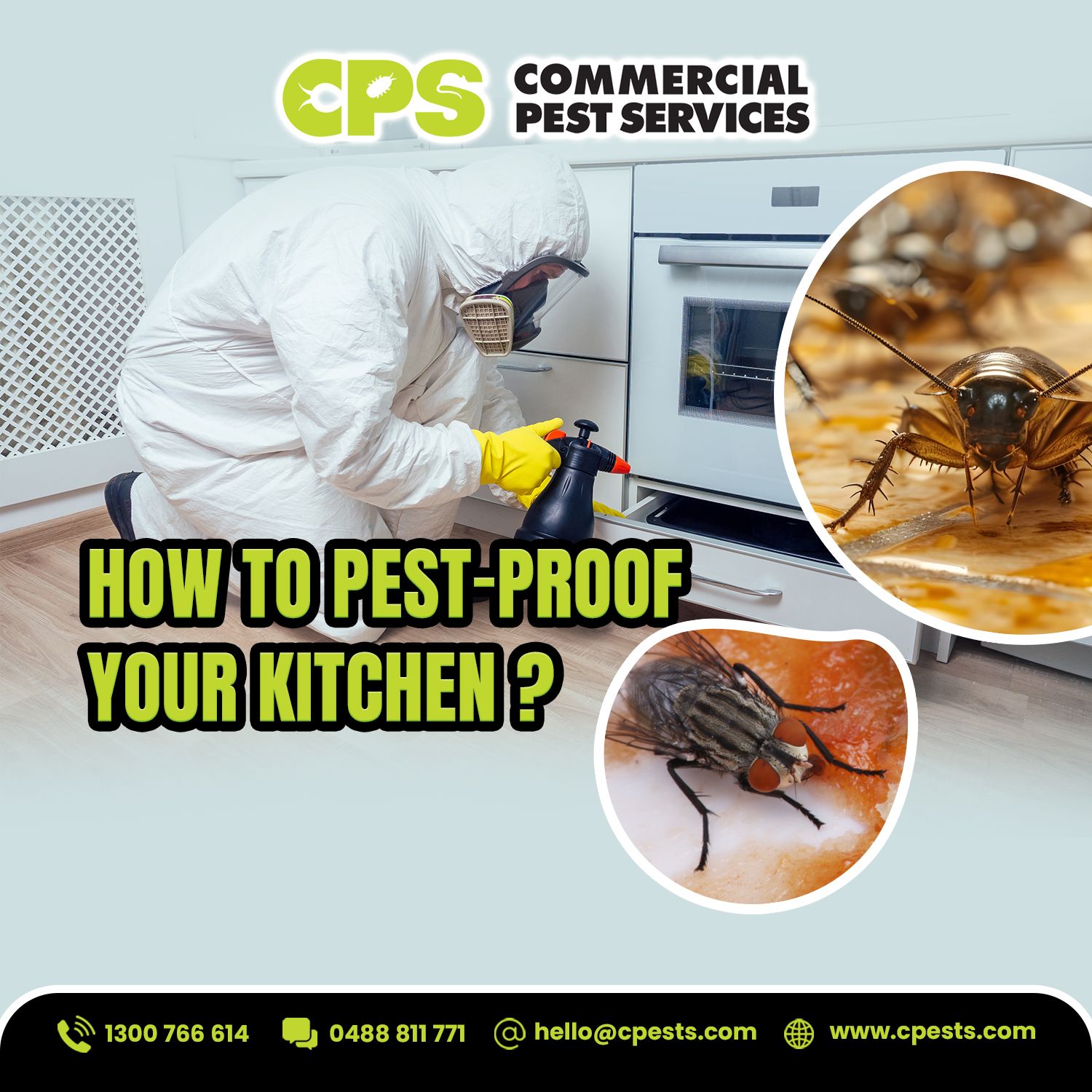
How to Pest-Proof Your Kitchen: Simple Ways to Keep Common Pests Away
September 23, 2026
The kitchen is often the busiest room in the home. It is where meals are prepared, food is stored and families gather every day. Unfortunately, it is also one of the most attractive places for pests. Even small crumbs, water leaks or uncovered food can invite unwanted visitors. The good news is that keeping pests […]
The kitchen is often the busiest room in the home. It is where meals are prepared, food is stored and families gather every day. Unfortunately, it is also one of the most attractive places for pests. Even small crumbs, water leaks or uncovered food can invite unwanted visitors.
The good news is that keeping pests away does not require major changes. By following a few simple habits, you can make your kitchen less attractive to pests and reduce the chance of an infestation. Prevention is always easier than dealing with a pest problem after it begins.
Why Do Pests Love Kitchens?
Like people, pests need food, water and shelter to survive. Kitchens provide all three, making them an ideal place for many common household pests.
Cockroaches are drawn to food scraps, grease and damp areas. Ants follow tiny food crumbs and sugary spills, while rodents search for easy meals and warm hiding places. Pantry pests may even find their way into opened packets of flour, rice or cereal.
Once pests discover a reliable food source, they often return. Therefore, removing what attracts them is one of the most effective forms of pest prevention.
Simple Ways to Pest-Proof Your Kitchen
Store Food Properly
Keep dry foods such as rice, pasta, flour and cereals in airtight containers. Sealed containers help protect food from pantry pests and reduce food smells that attract insects.
Pet food should also be stored securely. Instead of leaving food out overnight, put away any leftovers after feeding your pets.
Clean Up Food and Drink Spills
Crumbs and sticky spills may seem harmless, but they can quickly attract ants and cockroaches.
Wipe kitchen benches after preparing meals, sweep or vacuum the floor regularly and clean under small appliances where food debris often collects. Consistent cleaning removes food sources before pests find them.
Manage Waste Correctly
Kitchen bins should be emptied regularly, especially during warmer months. Keep lids tightly closed and wash bins frequently to remove food residue and unpleasant odours.
Recycling bins also deserve attention. Rinse food containers before placing them in the recycling to reduce pest attraction.
Remove Moisture
Many pests need water just as much as food.
Repair leaking taps, wipe up standing water around sinks and avoid leaving wet sponges or dishcloths sitting on the bench for long periods. Reducing moisture makes your kitchen less inviting to pests.
Seal Entry Points
Inspect doors, windows and gaps around pipes for small openings. Even tiny cracks can provide easy access for ants, cockroaches and rodents.
Installing door seals and repairing damaged screens can help stop pests before they enter your home.
Areas People Often Forget to Clean
Some of the most common hiding places are also the easiest to overlook.
Check behind the refrigerator, under the dishwasher and inside cupboards where crumbs and dust may build up unnoticed. Pantry shelves, toaster trays and microwave interiors should also be cleaned regularly.
Don’t forget the area beneath the sink. Cleaning products, moisture and plumbing can create ideal conditions for pest activity if spills are left unattended.
When Cleaning Isn’t Enough
Sometimes, good housekeeping alone cannot solve a pest problem.
If you continue seeing cockroaches, ants or rodents despite regular cleaning, the infestation may have spread beyond your kitchen. Pests often nest inside walls, roof spaces or hidden cavities where household cleaning cannot reach.
Professional pest control technicians can identify the source of the infestation, recommend targeted treatments and provide practical advice to help prevent pests from returning.
Pest-proofing your kitchen begins with simple daily habits. Proper food storage, regular cleaning, good waste management and routine maintenance all help create a less attractive environment for pests.
If unwanted pests continue appearing despite your efforts, professional pest control services can provide long-term pest management solutions that protect your home and give you greater peace of mind.
We acknowledge the Traditional Custodians of Country throughout Australia and their connections to land, sea, and community.
We pay our respect to their Elders past and present and extend that respect to all Aboriginal and Torres Strait Islander peoples today.