Send us a message and one of our specialists pest managers will be in touch
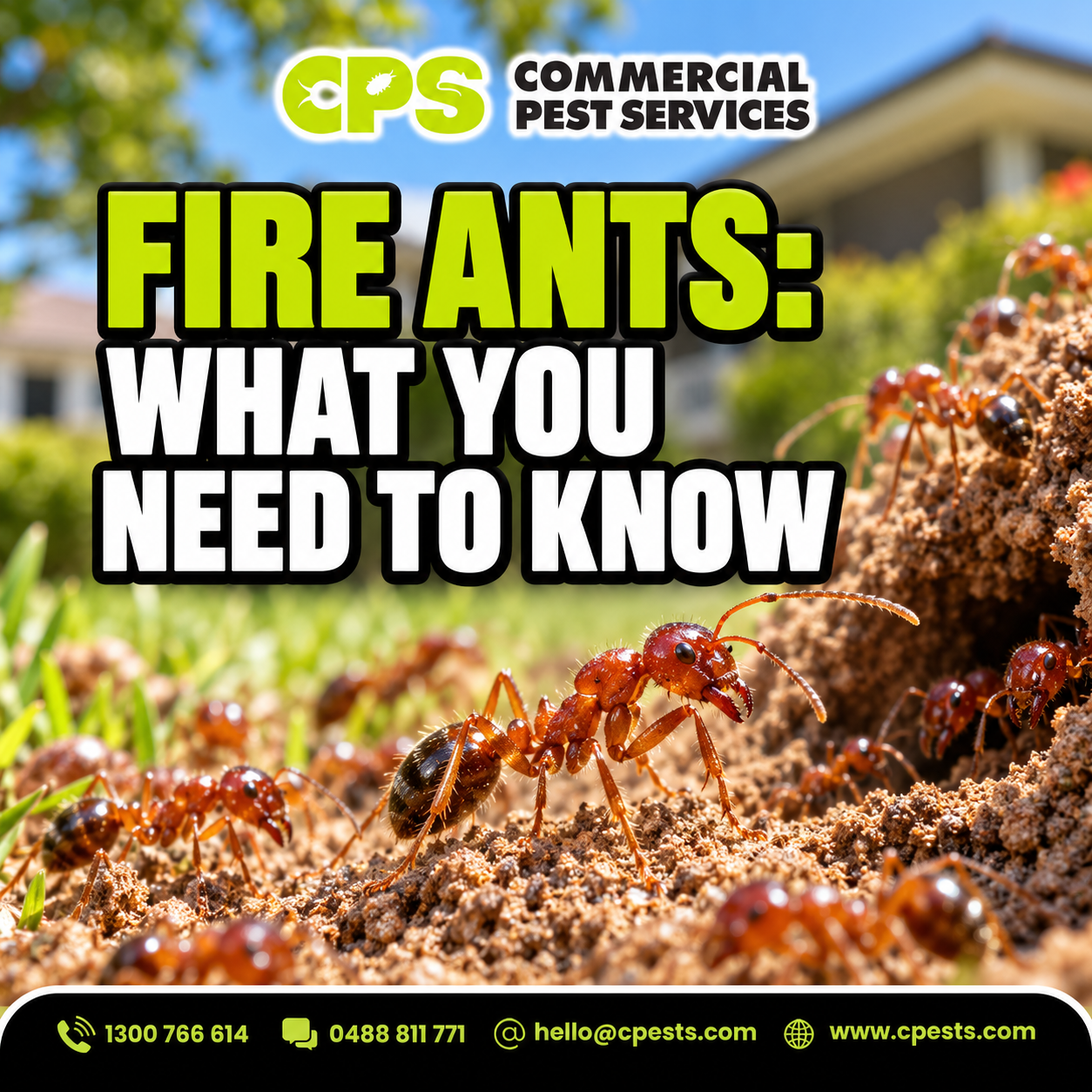
Fire Ants: What You Need to Know
September 27, 2026
Fire ants are one of the most concerning invasive pests in Australia. Although they are small, they can have a big impact on people, pets, wildlife and the environment. Unlike many common household ants, fire ants are aggressive and will defend their nests by stinging in large numbers when disturbed. Australia continues to work towards […]
Fire ants are one of the most concerning invasive pests in Australia. Although they are small, they can have a big impact on people, pets, wildlife and the environment. Unlike many common household ants, fire ants are aggressive and will defend their nests by stinging in large numbers when disturbed.
Australia continues to work towards controlling and eradicating fire ants because they spread quickly and are difficult to manage once established. Knowing how to recognise them and understanding what to do if you find them can help protect your family and support Australia’s biosecurity efforts.
What Are Fire Ants?
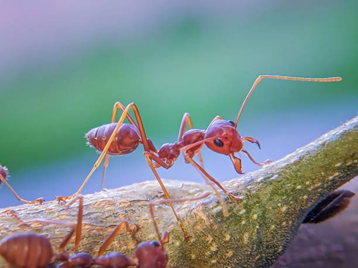
Fire ants are small reddish-brown ants that live in large underground colonies. Worker ants usually measure between 2 mm and 6 mm, meaning ants of different sizes can be found within the same nest.
One of their most recognisable features is the mound they build. Fire ant nests often appear as loose soil mounds without a visible opening at the top. These mounds can be found in lawns, parks, paddocks, gardens and other open areas.
Unlike many other ant species, fire ants respond aggressively when their nest is disturbed. Hundreds of ants can climb onto a person or animal before stinging almost at the same time.
Why Are Fire Ants a Serious Concern?
Fire ants are more than just a painful nuisance.
Their stings cause a burning sensation followed by itchy white pustules that may last for several days. While many people recover without complications, some individuals can experience severe allergic reactions that require urgent medical attention.
Fire ants also threaten pets and livestock. Animals that accidentally disturb a nest may receive multiple stings, causing pain, injury and stress.
Beyond health risks, fire ants can damage agriculture, public parks and natural ecosystems. They may also interfere with electrical equipment, irrigation systems and outdoor infrastructure, creating additional costs for property owners and local communities.
Where Are Fire Ants Found in Australia?
Fire ants are not widespread across Australia, but they remain an important biosecurity concern.
The largest infestations are currently found in South East Queensland, where eradication and containment programs continue. Biosecurity authorities also carry out surveillance and rapid response programs whenever suspected fire ants are detected in other states or territories.
Because fire ants can spread through the movement of soil, landscaping materials, hay, machinery and other goods, early reporting remains critical.
For this reason, Australians should avoid assuming every reddish ant is a fire ant. Correct identification is essential before any action is taken.
What Should You Do If You Suspect Fire Ants?
If you think you have found a fire ant nest, do not disturb it.
Keep children, pets and other people away from the area to reduce the risk of stings. Avoid digging into the mound or attempting DIY treatments, as disturbing the colony may cause the ants to spread.
Instead, report the suspected nest to your state’s biosecurity authority or the National Fire Ant Eradication Program if you are in an affected area. Early reporting allows specialists to inspect the site, confirm the identification and respond appropriately.
If you are unsure whether the ants are fire ants or another species, a professional pest inspection can also help identify the pest and recommend the next steps.
Awareness Helps Protect Everyone
Fire ants remain one of Australia’s highest-priority invasive pests because they threaten public health, agriculture and the environment.
By staying informed and acting responsibly, homeowners, businesses and communities can help support Australia’s ongoing biosecurity and pest management efforts for future generations.
Contact us if you find fire ants around your property.
We are committed to providing services that are effective, transparent, and easy to understand.
Book an inspection now with CPS today to arrange a professional inspection and tailored treatment plan.
We acknowledge the Traditional Custodians of Country throughout Australia and their connections to land, sea, and community.
We pay our respect to their Elders past and present and extend that respect to all Aboriginal and Torres Strait Islander peoples today.