Send us a message and one of our specialists pest managers will be in touch
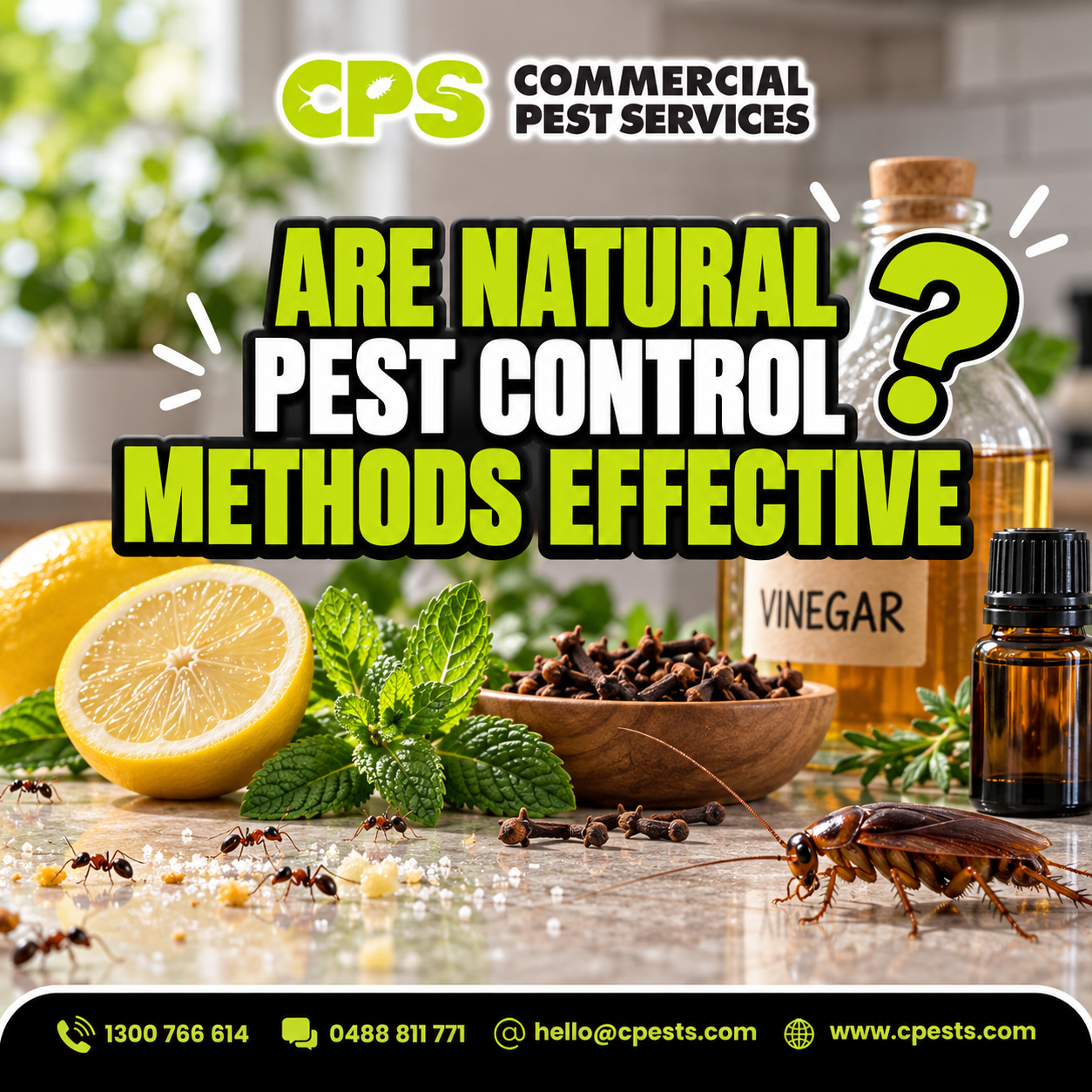
Are Natural Pest Control Methods Effective?
September 28, 2026
Many homeowners prefer to try natural pest control methods before calling a professional. From essential oils and vinegar to coffee grounds and citrus peels, the internet is full of DIY tips that promise to keep pests away. Some natural methods can help discourage pests for a short time. However, they often work best as part […]
Many homeowners prefer to try natural pest control methods before calling a professional. From essential oils and vinegar to coffee grounds and citrus peels, the internet is full of DIY tips that promise to keep pests away.
Some natural methods can help discourage pests for a short time. However, they often work best as part of a broader pest prevention plan rather than a complete solution.
Knowing what these methods can and cannot do helps you make informed decisions and avoid wasting time on treatments that may not address the real problem.
Why Are Natural Pest Control Methods So Popular?
Natural pest control has become more popular because many people want simple, affordable and environmentally conscious ways to manage household pests.
Common DIY solutions are easy to find, inexpensive and often use ingredients already available at home. They may also appeal to families looking to reduce unnecessary chemical use.
While these methods can play a role in pest prevention, it is important to have realistic expectations about their effectiveness.
Common Natural Pest Control Methods
Many natural remedies are widely shared online. Here are a few of the most common examples.
Essential Oils
Peppermint, eucalyptus, citronella and tea tree oils are often recommended for repelling spiders, ants and mosquitoes.
Their strong scents may discourage some pests temporarily. However, the smell fades quickly and needs frequent reapplication. These oils also do not remove nests or eliminate established infestations.
Vinegar
Vinegar is commonly used against ants because it can remove the scent trails they use to find food.
Although this may interrupt their movement for a short time, it does not eliminate the colony or prevent new trails from forming if food sources remain available.
Citrus Peels and Coffee Grounds
Some homeowners place citrus peels or coffee grounds around gardens and entry points to deter insects.
While these materials may have limited effects on certain pests, there is little scientific evidence showing they provide reliable long-term pest control.
What Does the Research Say?
Research suggests that some natural products can repel certain pests under specific conditions. However, their effectiveness often depends on the pest species, the environment and how the products are used.
Unlike professional pest management solutions, natural remedies usually lose their effectiveness quickly and rarely reach hidden nests or breeding sites.
This means they may reduce pest activity temporarily but often fail to solve the underlying cause of the infestation.
Prevention Is More Effective Than DIY Remedies
The most reliable way to prevent pests is to make your home less attractive to them.
Store food in sealed containers, clean up crumbs and spills promptly, and empty rubbish bins regularly. Repair leaking taps, improve ventilation and remove excess moisture wherever possible.
You should also seal gaps around doors, windows and utility pipes to reduce common pest entry points. Keeping gardens tidy and removing clutter around the home also limits places where pests can hide.
These simple habits support long-term residential pest control far more effectively than relying on a single DIY remedy.
The Best Results Come from a Balanced Approach
Natural pest control methods can be useful as part of a prevention routine, especially when combined with good housekeeping and regular home maintenance. However, they should not replace proven pest management strategies when pests become established.
By understanding their limitations and focusing on long-term prevention, homeowners can enjoy a cleaner, healthier home with fewer recurring pest problems.
We acknowledge the Traditional Custodians of Country throughout Australia and their connections to land, sea, and community.
We pay our respect to their Elders past and present and extend that respect to all Aboriginal and Torres Strait Islander peoples today.