Send us a message and one of our specialists pest managers will be in touch
Pest Damage That Homeowners Often Miss
September 28, 2026
When people think about pest damage, they often imagine visible termite destruction or obvious rodent activity. However, many pests cause damage quietly and out of sight. In fact, some of the most expensive pest problems start in areas that homeowners rarely inspect. Because pests are experts at hiding, damage can continue for weeks, months or […]
When people think about pest damage, they often imagine visible termite destruction or obvious rodent activity. However, many pests cause damage quietly and out of sight. In fact, some of the most expensive pest problems start in areas that homeowners rarely inspect.
Because pests are experts at hiding, damage can continue for weeks, months or even years before it becomes noticeable. By understanding the warning signs, homeowners can identify problems earlier and reduce the risk of costly repairs.
Let’s look at some of the most commonly overlooked types of pest damage and where they often occur.
Why Pest Damage Often Goes Unnoticed
Many pests prefer dark, quiet and undisturbed areas.
Roof spaces, wall cavities, subfloors, garages and storage rooms provide ideal hiding places. Since homeowners rarely inspect these areas closely, pests can remain active without drawing attention.
In addition, some damage develops gradually. A small problem may seem insignificant at first, but it can become much more serious over time if left unchecked.
This is why routine pest inspections play such an important role in protecting residential properties.
Hidden Electrical Damage from Rodents
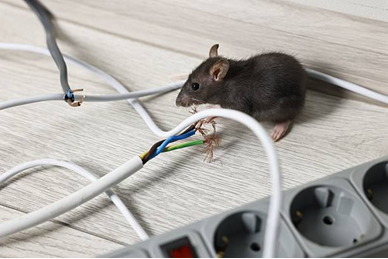
Rodents constantly chew because their teeth continue growing throughout their lives.
As a result, they often gnaw on electrical wiring hidden inside ceilings, walls and roof spaces. Unfortunately, this damage is not always visible until electrical problems begin to appear.
Warning signs may include:
Flickering lights.
Tripped circuit breakers.
Unusual burning smells.
Damaged cables in storage areas or garages.
Besides causing expensive repairs, damaged wiring can also create safety risks within the home.
Termite Damage Behind Walls
Termites are often called “silent destroyers” for a reason.
Unlike many pests, termites usually feed from the inside out. Timber may look normal on the surface while extensive internal damage develops underneath.
Common warning signs include:
Hollow-sounding timber.
Doors and windows becoming difficult to open.
Bubbling paint.
Cracked plaster.
Sagging floors.
Because termites often remain hidden, many homeowners discover the damage only after a professional inspection.
Insulation Damage in Roof Spaces
Rodents, birds and other pests frequently nest in roof cavities.
As they move through insulation, they can compress, tear or contaminate the material. Damaged insulation may reduce energy efficiency and increase heating or cooling costs over time.
Most homeowners never enter their roof space, making this one of the easiest types of pest damage to overlook.
Contamination in Storage Areas
Pest damage is not always structural.
Rodents and cockroaches can contaminate stored belongings with droppings, urine, nesting materials and shed body parts. Unfortunately, boxes stored in garages, sheds and spare rooms often remain untouched for long periods.
By the time homeowners discover the problem, personal items, documents or seasonal decorations may already be damaged beyond repair.
Garden and Outdoor Damage
Many pest problems begin outside before moving indoors.
Rodents may burrow beneath garden structures, while termites can attack timber fencing, retaining walls and landscaping features. Ant colonies can also establish themselves around paving, garden beds and outdoor entertaining areas.
Regular outdoor inspections help identify these issues before they spread closer to the home.
Why Early Detection Matters
The longer pest activity continues, the greater the potential for damage.
Early detection allows homeowners to address pest problems before repairs become expensive or widespread. It also helps protect property value and reduces the disruption that major pest infestations can cause.
Routine inspections are especially valuable because trained pest control technicians know where to look for hidden signs that homeowners may miss.
Small Signs Can Reveal Bigger Problems
Pest damage does not always announce itself with obvious warning signs. Often, the earliest clues are subtle and easy to overlook.
By paying attention to unusual changes around your home and arranging regular pest inspections, you can identify hidden risks before they become major problems.
A proactive approach not only helps protect your property but also provides peace of mind that your home remains safe, comfortable and well maintained throughout the year.
We acknowledge the Traditional Custodians of Country throughout Australia and their connections to land, sea, and community.
We pay our respect to their Elders past and present and extend that respect to all Aboriginal and Torres Strait Islander peoples today.