Send us a message and one of our specialists pest managers will be in touch
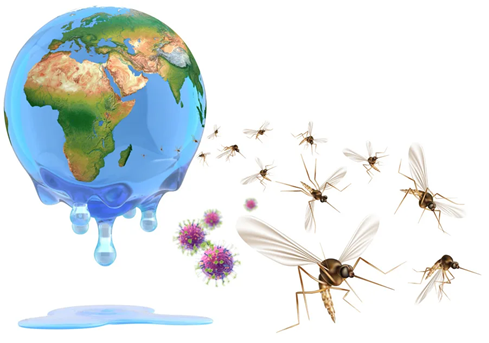
How Climate Change Is Affecting Mosquito Populations
October 6, 2026
Mosquitoes have always been part of Australia’s environment. However, scientists have found that changing weather patterns are influencing where mosquitoes live, how quickly they reproduce and how long they remain active each year. Climate change does not create mosquitoes, but it can make conditions more favourable for them. Warmer temperatures, changing rainfall patterns and more […]
Mosquitoes have always been part of Australia’s environment. However, scientists have found that changing weather patterns are influencing where mosquitoes live, how quickly they reproduce and how long they remain active each year.
Climate change does not create mosquitoes, but it can make conditions more favourable for them. Warmer temperatures, changing rainfall patterns and more frequent extreme weather events are affecting mosquito populations around the world.
For homeowners, businesses and local communities, understanding these changes can help improve mosquito prevention and reduce potential health risks.
Warmer Temperatures Extend Mosquito Activity
Mosquitoes thrive in warm conditions.
As average temperatures rise, mosquitoes can breed more quickly because their life cycle speeds up. Eggs hatch faster, larvae develop sooner and adult mosquitoes become active earlier in the season.
In some regions, warmer weather may also extend mosquito activity later into the year. Instead of being active for only a short period, mosquitoes may remain present for longer, increasing the chance of bites and nuisance around homes and outdoor spaces.
While seasonal conditions still vary across Australia, warmer temperatures make ongoing mosquito prevention more important than relying only on seasonal treatments.
Changing Rainfall Creates More Breeding Sites
Rainfall has a major influence on mosquito populations.
After heavy rain, water can collect in buckets, pot plant trays, roof gutters, bird baths and other containers around homes. Even small amounts of standing water can become breeding sites for mosquitoes.
Flooding may also create temporary pools of water that support mosquito breeding over large areas.
At the same time, drought conditions can also contribute to mosquito activity. During dry periods, people often store water in tanks or containers. If these are not properly covered or maintained, they may also become breeding habitats.
This is why mosquito prevention is important after both wet and dry weather.
Mosquitoes Are Appearing in New Areas
Climate change is also influencing where some mosquito species can survive.
As environmental conditions change, researchers continue monitoring whether certain mosquito species expand into areas where they were previously uncommon. These changes are carefully studied because different mosquito species may carry different disease risks.
Australia has strong mosquito surveillance and biosecurity programs that help monitor mosquito populations and respond to emerging risks. Ongoing research allows health authorities to better understand how changing climates affect mosquito activity over time.
Why This Matters for Public Health
Mosquitoes are more than an outdoor nuisance.Some mosquito species can transmit viruses that affect both humans and animals.
In Australia, diseases such as Ross River virus, Barmah Forest virus, and Dengue Fever and Malaria on the global scale remain important public health concerns, although the level of risk varies depending on location and seasonal conditions.
As mosquito activity changes, public health agencies continue encouraging communities to reduce breeding sites and protect themselves from bites.
Preventing mosquito populations also supports healthier neighbourhoods and more enjoyable outdoor living.
Preparing for a Changing Future
Climate change is changing many parts of our environment, including mosquito populations.
Warmer temperatures, changing rainfall and shifting weather patterns are creating conditions that allow mosquitoes to remain active for longer in some areas. While these changes present new challenges, prevention remains the most effective way to reduce mosquito activity.
By understanding how weather affects mosquitoes and taking simple preventive actions, homeowners and businesses can better protect their properties, support public health and enjoy outdoor spaces with greater confidence.
Read More about the environmental stress that influences mosquitoes and other pest activity.
We are committed to providing services that are effective, transparent, and easy to understand.
Book an inspection now with CPS today to arrange a professional inspection and tailored treatment plan.
We acknowledge the Traditional Custodians of Country throughout Australia and their connections to land, sea, and community.
We pay our respect to their Elders past and present and extend that respect to all Aboriginal and Torres Strait Islander peoples today.