Send us a message and one of our specialists pest managers will be in touch
Why Feeding Seagulls Makes Bird Problems Worse
October 7, 2026
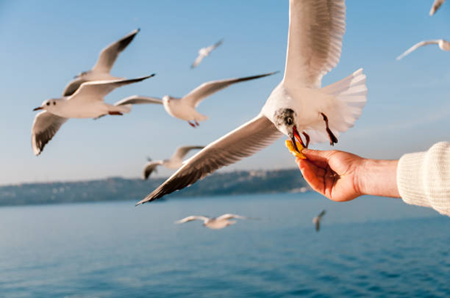
Feeding seagulls may seem like a harmless or enjoyable activity, especially at beaches, parks and waterfronts. Many people toss chips or leftover food to birds without thinking twice. However, this simple act can create long-term problems for both people and the birds themselves. Like many wild animals, seagulls quickly learn where food is easy to […]
Feeding seagulls may seem like a harmless or enjoyable activity, especially at beaches, parks and waterfronts. Many people toss chips or leftover food to birds without thinking twice. However, this simple act can create long-term problems for both people and the birds themselves.
Like many wild animals, seagulls quickly learn where food is easy to find. Once they associate a location with free meals, they return regularly and often bring more birds with them. Over time, what starts as feeding one or two birds can lead to large flocks gathering around public spaces and businesses.
Seagulls Learn Faster Than Many People Realise
Seagulls are highly intelligent birds with excellent memories.
They quickly recognise places where people regularly leave food or intentionally feed them. Busy beaches, outdoor cafés, food courts, picnic areas and waterfront restaurants often become reliable feeding locations.
Even more importantly, seagulls learn from one another. When one bird discovers an easy food source, others soon follow. As a result, bird numbers can increase rapidly around the same location.
This learned behaviour explains why some public areas experience persistent seagull problems year after year.
How Feeding Seagulls Creates Bigger Problems
Providing food encourages birds to stay longer and depend less on their natural food sources. This change in behaviour creates several challenges.
Larger Bird Populations
Regular feeding supports larger groups of seagulls in one location. More birds also mean more nesting, roosting and competition for food around nearby buildings.
More Aggressive Behaviour
Many people have experienced seagulls swooping down to steal chips, sandwiches or other meals.
Once birds become accustomed to people providing food, they lose their natural caution and become much bolder. This behaviour can be intimidating, particularly for children and older adults.
More Bird Droppings
Larger flocks naturally produce more droppings on footpaths, outdoor seating, vehicles and buildings.
Besides creating unpleasant conditions, bird droppings can stain surfaces, accelerate corrosion on certain building materials and increase cleaning costs.
Food Safety Risks
Where birds gather around food preparation or dining areas, they increase hygiene concerns.
Bird droppings, feathers and nesting materials may contaminate surrounding environments if bird activity is not properly managed. For businesses serving food, maintaining clean outdoor spaces is essential for customer confidence and food safety.
Property Damage
Repeated bird activity can block gutters with nesting materials, damage roofs and leave stubborn droppings on signs, solar panels and building façades.
Over time, these issues often require additional maintenance and repairs.
Why Businesses Feel the Greatest Impact
Businesses located near beaches, parks or busy public spaces often experience the greatest challenges.
Outdoor dining areas, cafés, shopping centres, hotels and tourist attractions naturally attract people carrying food. Consequently, these locations also attract seagulls looking for an easy meal.
Large numbers of birds can discourage customers from sitting outdoors, create extra cleaning work and affect the overall visitor experience. For hospitality businesses, effective bird management helps protect both hygiene standards and business reputation.
Feeding one seagull may seem insignificant, but repeated feeding changes bird behaviour over time.
By allowing seagulls to find their natural food instead of relying on people, communities help reduce aggressive behaviour, improve public hygiene and protect local businesses.
Contact us for seagull control around your home or business.
We are committed to providing services that are effective, transparent, and easy to understand.
Book an inspection now with CPS today to arrange a professional inspection and tailored treatment plan.
We acknowledge the Traditional Custodians of Country throughout Australia and their connections to land, sea, and community.
We pay our respect to their Elders past and present and extend that respect to all Aboriginal and Torres Strait Islander peoples today.