Send us a message and one of our specialists pest managers will be in touch
Why Bird Control Matters Around Schools
October 8, 2026
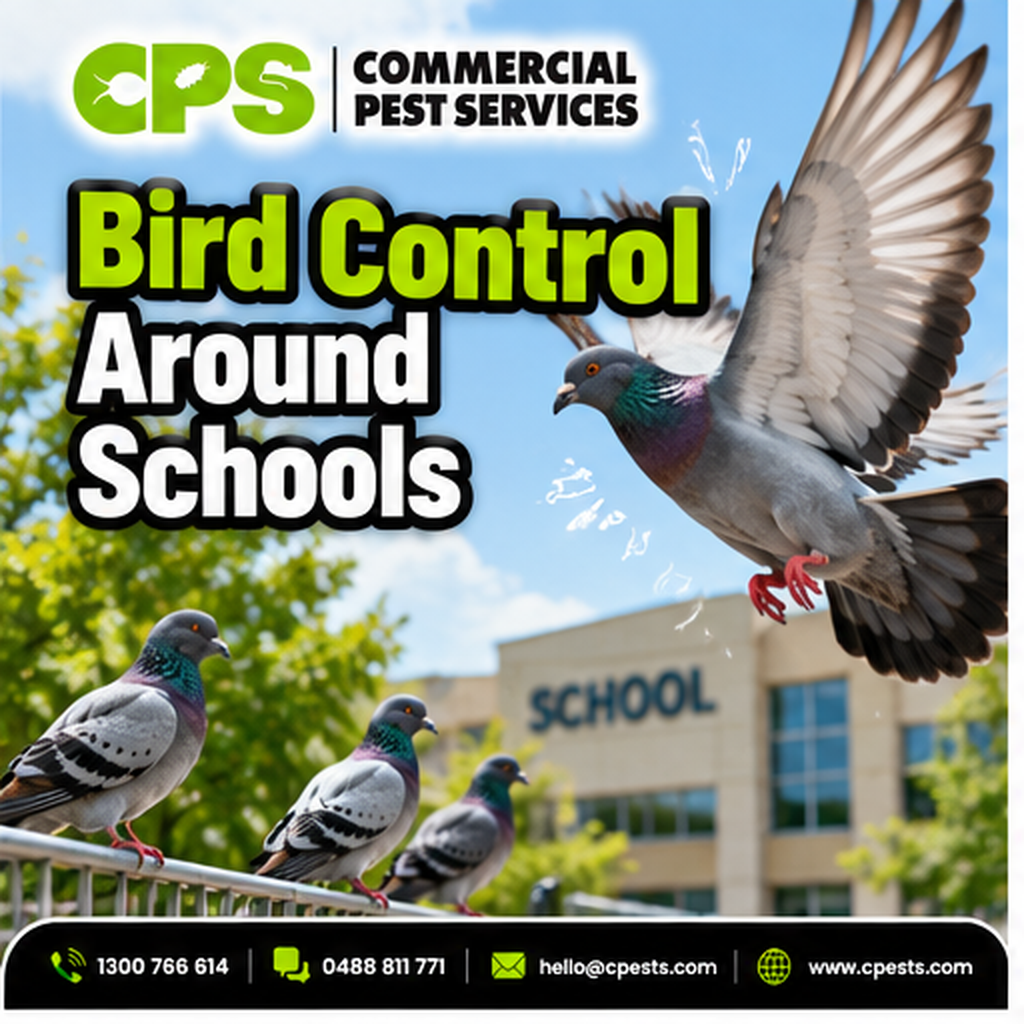
Schools are busy places where hundreds or even thousands of students, teachers and visitors gather every day. They also provide food, water and shelter, making them attractive to several pest bird species. While seeing a few birds around school grounds may seem harmless, large numbers of pest birds can create hygiene, safety and maintenance challenges […]
Schools are busy places where hundreds or even thousands of students, teachers and visitors gather every day. They also provide food, water and shelter, making them attractive to several pest bird species. While seeing a few birds around school grounds may seem harmless, large numbers of pest birds can create hygiene, safety and maintenance challenges if they are not managed properly.
Effective bird control helps schools provide a cleaner, healthier and safer environment for everyone. More importantly, proactive bird management prevents small problems from becoming long-term issues that affect learning and daily operations.
Why Birds Are Attracted to Schools
Schools naturally provide many of the resources birds look for.
Outdoor eating areas, playgrounds, sporting fields and open rubbish bins often contain food scraps that attract birds throughout the day. Roofs, covered walkways, shade structures and nearby trees also provide ideal places for birds to rest, roost or build nests.
When birds repeatedly find food and shelter, they quickly learn to return. Over time, this regular activity can lead to larger flocks gathering around the school.
Common Pest Birds Found at Schools
Several bird species commonly visit Australian schools.
Pigeons
Pigeons are one of the most common urban pest birds. They often gather around lunch areas, rooftops and school buildings where food is easy to find.
Indian Mynas
Indian mynas are an introduced pest species known for adapting well to cities and suburbs. They frequently compete with native birds and are attracted to school grounds with accessible food waste.
Sparrows
Sparrows may appear harmless, but they can gather in large numbers around outdoor eating areas. They quickly feed on crumbs left behind by students and visitors.
Seagulls
Schools located near the coast, parks or public open spaces may also experience problems with seagulls. These birds can become aggressive when searching for food and sometimes take food directly from students.
How Bird Activity Can Affect Schools
Bird management is about much more than keeping birds away from buildings. It also supports health, safety and property maintenance.
Student Health and Hygiene
Bird droppings can contain bacteria, fungi and other microorganisms that may pose health risks if they contaminate surfaces or food areas. Regular cleaning helps reduce these risks, but preventing birds from gathering is even more effective.
Safety Around School Grounds
Bird droppings on footpaths, stairways and playground surfaces can become slippery, increasing the risk of slips and falls for students, staff and visitors.
Building Maintenance
Bird nests may block gutters, drains and roof spaces. Over time, accumulated nesting materials and droppings can damage buildings and increase maintenance costs.
A Better Learning Environment
Large flocks of birds often create excessive noise during class time or outdoor activities. Managing bird activity helps schools maintain cleaner, quieter and more comfortable spaces for learning.
Practical Bird Management Strategies
Successful bird control begins with prevention.
Schools should encourage students not to feed birds, as regular feeding quickly teaches birds to return. Outdoor eating areas should be cleaned promptly after breaks, and rubbish bins should remain covered and emptied regularly.
Routine inspections of roofs, gutters and other elevated areas also help identify nesting or roosting activity before it becomes established.
Where bird activity continues despite preventive measures, professional bird management offers humane solutions such as bird-proofing systems, exclusion methods and ongoing monitoring. These approaches reduce bird activity while protecting both people and wildlife.
Creating a Safer School Environment
Birds are an important part of Australia’s natural environment, but they should not interfere with the health and safety of school communities.
By combining good housekeeping, effective waste management and proactive bird control, schools can reduce hygiene risks, protect buildings and create more comfortable outdoor spaces for students and staff. Early action also makes bird management more effective, helping schools maintain a safe and welcoming environment throughout the year.
We are committed to providing services that are effective, transparent, and easy to understand.
Book an inspection now with CPS today to arrange a professional inspection and tailored treatment plan.
We acknowledge the Traditional Custodians of Country throughout Australia and their connections to land, sea, and community.
We pay our respect to their Elders past and present and extend that respect to all Aboriginal and Torres Strait Islander peoples today.