Send us a message and one of our specialists pest managers will be in touch
Rodent Awareness Week 2026
October 23, 2026
Rodent Awareness Week is about more than advocating to remove rodents. It is a campaign to raise awareness about the risks associated with rats and mice.
Rodent control is about more than removing rats and mice. It also helps protect public health, food safety and property. During Rodent Awareness Week 2026, homeowners and businesses can review their prevention practices, recognise early warning signs and understand why proactive rodent management matters.
Rats and mice can contaminate food, damage buildings and carry organisms that cause disease. Therefore, preventing rodent activity is an important part of maintaining a safe environment.
What Is Rodent Awareness Week?
Rodent Awareness Week is a useful campaign theme for raising awareness about the risks associated with rats and mice. It encourages people to identify rodent activity early and take practical steps to prevent infestations.
Businesses can still use the theme to educate staff, review pest prevention procedures and promote healthier environments.
The key message is simple: early detection and prevention are better than waiting for a serious infestation.
What Health Risks Do Rats and Mice Pose?
Rodents can affect human health through contaminated food, contact with their waste and, in some cases, bites or parasites they carry.
1. Diseases associated with rodents
Rodents can carry pathogens that cause illnesses in humans. One example is leptospirosis, a bacterial disease that can spread through contact with the urine of infected animals.
People may also face risks from contaminated food, water or environments. The actual risk depends on the rodent species, local conditions and type of exposure. Not every rodent carries disease, and not every encounter results in illness.
Rats and mice can leave droppings, urine and hair around food storage and preparation areas. These materials can contaminate food and food-contact surfaces.
As a result, rodent activity creates particular concerns for restaurants, food manufacturers, retailers and other businesses that handle food.
3. Allergens and poor indoor conditions
Rodent waste and nesting materials can contribute to an unhygienic indoor environment. Their presence may also create unpleasant odours and affect staff or occupants who are sensitive to allergens.
4. Property damage and fire risks
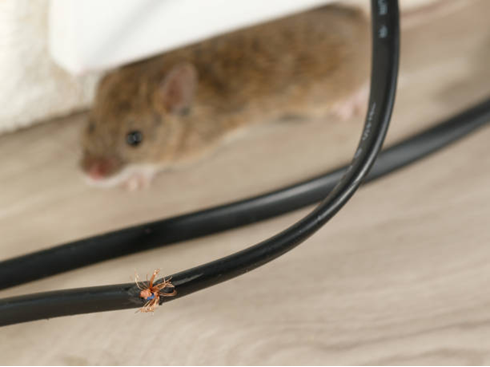
Rodents gnaw materials to maintain their continuously growing front teeth. They can damage packaging, insulation, furniture and electrical wiring.
Damaged electrical cables may create additional safety concerns. Therefore, rodent activity should never be treated as a minor nuisance when it affects building infrastructure.
How to Recognise Rodent Activity
Early detection helps property owners act before a small problem becomes more difficult to manage.
Look for these common signs:
Droppings around cupboards, storage areas or walls.
Scratching or movement noises in ceilings and wall cavities.
Gnaw marks on packaging, timber or cables.
Torn paper, cardboard or insulation used for nesting.
Greasy marks along walls or established travel routes.
Unusual smells in enclosed spaces.
Food packaging that appears chewed or damaged.
If you notice these signs, avoid touching droppings or disturbing nesting materials without appropriate precautions. Contact a professional pest control if the source or extent of activity is unclear.
Homeowners can reduce rodent activity by removing the conditions that attract rats and mice.
Store pantry goods and pet food in tightly sealed containers. Clean food spills promptly and use bins with secure lids.
Remove water sources. Repair leaking taps and pipes. Avoid leaving pet water or food.
Seal entry points. Inspect gaps around doors, pipes, vents and other building openings.
Use durable, rodent-resistant materials suitable for each location.
Remove unnecessary clutter, maintain gardens and keep stored materials raised off the ground where practical.
Inspect regularly through garages, sheds, roof spaces and storage areas for droppings, gnaw marks and nesting materials.
These steps reduce opportunities for rodents to enter, feed and shelter. However, persistent activity may require professional inspection and targeted control.
How Businesses Can Prevent Rodent Problems
Commercial properties need a consistent prevention plan because rodent activity can affect operations, staff safety, products and customer confidence.
Businesses should:
Store ingredients, stock and waste securely.
Keep loading docks, storage areas and service corridors clean.
Inspect incoming goods and damaged packaging.
Repair gaps around doors, pipes and building services.
Maintain suitable waste collection and cleaning schedules.
Record pest sightings, inspection findings and corrective actions.
Arrange monitoring and follow-up inspections according to the site’s risks.
Food businesses should also ensure rodent controls support their food safety procedures. In other settings, such as offices, retail premises and warehouses, the approach should reflect the building layout and the materials stored there.
Why Rodent Control Is a Public Health Measure
Removing visible rodents is only one part of effective rodent management. If food, water, shelter and entry points remain available, new rodents may enter and the problem can return.
A proactive approach combines inspection, prevention, monitoring and suitable control methods. It also identifies the conditions that allow rodents to survive around people.
For businesses, this means investigating recurring activity, reviewing cleaning and waste practices, and documenting corrective actions. For homeowners, it means addressing entry points and attractants instead of relying on traps or poison alone.
1. Can rats and mice spread diseases in Australia?
Yes. Rodents can carry pathogens, including the bacteria responsible for leptospirosis. The risk depends on exposure and local conditions.
2. What attracts rodents to homes?
Accessible food, water, shelter, rubbish and gaps in buildings can attract rats and mice.
3. How can a business prevent rodent infestations?
Secure food and waste, maintain the building, inspect deliveries and arrange suitable pest monitoring and professional inspections.
4. Is removing rodents enough?
Not always. Entry points and attractants must also be addressed to reduce the chance of further activity.
5. When should I contact a pest professional?
Seek professional help when rodent signs persist, activity appears widespread, rodents enter inaccessible areas or DIY methods do not resolve the problem.
We are committed to providing services that are effective, transparent, and easy to understand.
Book an inspection now with CPS today to arrange a professional inspection and tailored treatment plan.
We acknowledge the Traditional Custodians of Country throughout Australia and their connections to land, sea, and community.
We pay our respect to their Elders past and present and extend that respect to all Aboriginal and Torres Strait Islander peoples today.