Send us a message and one of our specialists pest managers will be in touch
Different Pests Prefer Different Conditions: Discover Why?
November 12, 2026
Living near Australia's coastline offers beautiful surroundings, fresh air, and easy access to beaches. However, seagulls and other birds can quickly become comfortable around restaurants and homes near the coast.
Not all pests are attracted to the same places.
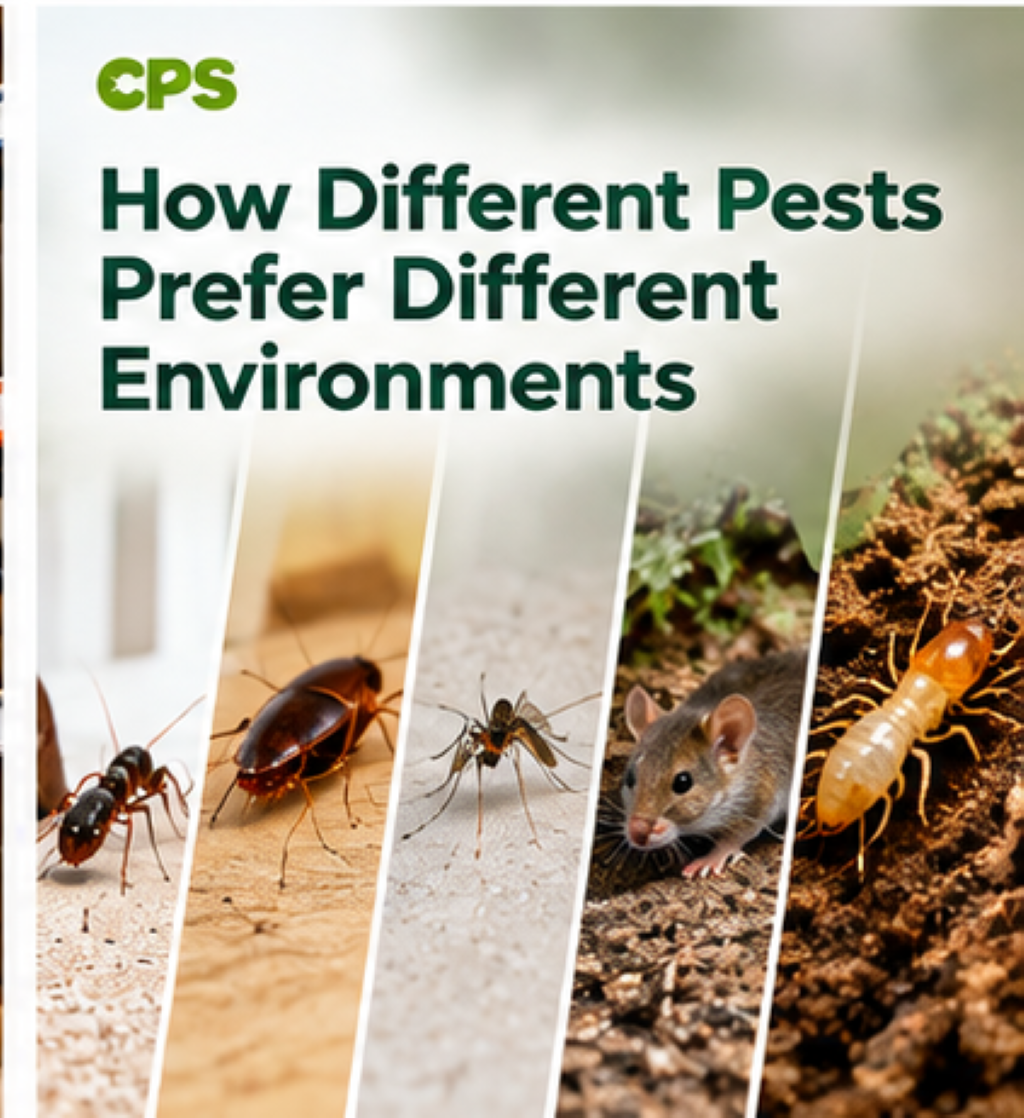
A cockroach may prefer a warm and humid kitchen, while a silverfish may seek out a cool, damp storage area. Meanwhile, rodents may choose a quiet roof space, and mosquitoes may gather around standing water.
Understanding these preferences helps explain why certain pests appear in particular parts of a property.
It also shows why effective pest control cannot rely on one solution for every situation.
Warm and Humid Areas
Some pests thrive in warm environments with reliable access to moisture.
Cockroaches commonly seek areas such as kitchens, bathrooms, drains, commercial food preparation spaces, and areas around plumbing. These locations provide warmth, water, food, and shelter.
Ants may also enter buildings when they find reliable food or moisture sources.
Reducing leaks, condensation, food residue, and unnecessary moisture can make these environments less attractive.
Cool and Damp Spaces
Other pests prefer cooler and more humid conditions.
Silverfish, for example, commonly favour damp areas where they can find shelter and suitable food sources. Bathrooms, storage rooms, roof spaces, and areas containing paper or cardboard may provide suitable conditions.
Improving ventilation and reducing excess moisture can therefore help discourage these pests.
Dark and Undisturbed Areas
Some pests prefer quiet spaces where they can remain hidden.
Rodents may use roof voids, wall cavities, garages, sheds, and storage areas for nesting. Spiders can also establish themselves in areas that experience little disturbance, particularly where insects provide a reliable food source.
Clutter makes these environments even more attractive because it creates additional hiding places.
Keeping storage areas organised and reducing unnecessary materials makes pest activity easier to detect.
Outdoor Environments
Many pests begin their activity outside before entering buildings.
Gardens, mulch, vegetation, rubbish areas, compost, outdoor dining spaces, and standing water can all provide resources for different pest species.
Mosquitoes need suitable water sources for breeding, while flies are strongly associated with food waste and organic material.
Rodents may use vegetation and outdoor clutter for shelter before moving closer to buildings.
Managing these outdoor conditions can therefore reduce pressure on the building itself.
Why Pest Identification Matters
Knowing where a pest appears can provide useful clues about why it is there.
If cockroaches repeatedly appear near a commercial kitchen, moisture and food may be contributing factors. If rodents appear around a warehouse loading area, gaps, deliveries, waste, or nearby shelter may require investigation.
However, appearance alone does not always reveal the full cause.
A professional pest control technician can identify the pest species, investigate its preferred environment, and assess the conditions supporting its activity.
Match the Management Strategy to the Environment
The most effective pest management considers both the pest and the environment.
Removing food sources, controlling moisture, improving sanitation, sealing entry points, modifying habitats, monitoring activity, and using targeted treatments when necessary can all contribute to long-term control.
This approach also supports Integrated Pest Management because it focuses on preventing favourable conditions rather than depending entirely on treatment.
We acknowledge the Traditional Custodians of Country throughout Australia and their connections to land, sea, and community.
We pay our respect to their Elders past and present and extend that respect to all Aboriginal and Torres Strait Islander peoples today.