Send us a message and one of our specialists pest managers will be in touch
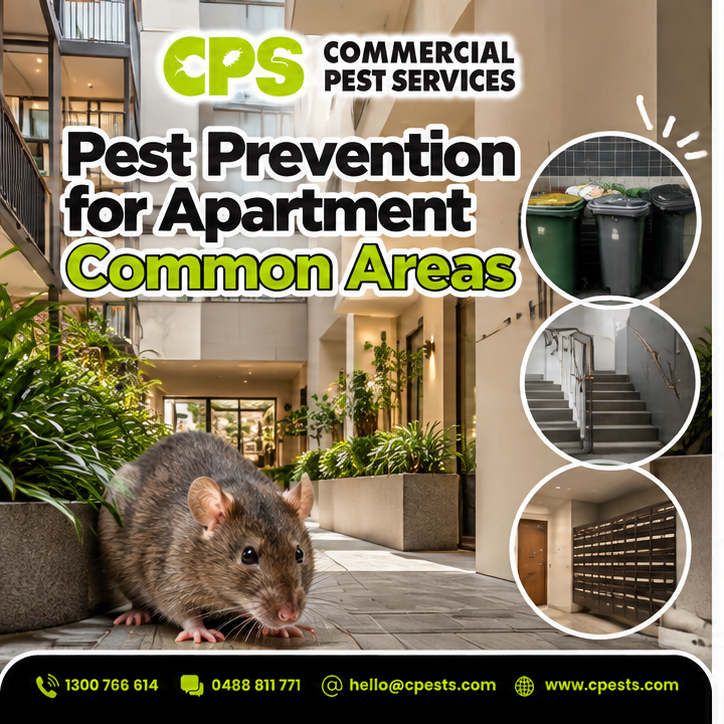
Pest Prevention for Apartment Common Areas
September 30, 2026
Living in an apartment offers many benefits, including shared facilities, convenient locations and lower maintenance responsibilities. However, apartment living also means sharing spaces with many other residents. When common areas are not well maintained, pests can easily move throughout the building. Unlike standalone homes, apartment buildings have connected hallways, service ducts, rubbish rooms and shared […]
Living in an apartment offers many benefits, including shared facilities, convenient locations and lower maintenance responsibilities. However, apartment living also means sharing spaces with many other residents. When common areas are not well maintained, pests can easily move throughout the building.
Unlike standalone homes, apartment buildings have connected hallways, service ducts, rubbish rooms and shared outdoor areas. These spaces can become pathways for pests searching for food, water and shelter.
When residents, building managers and professional pest management providers work together, everyone benefits from a cleaner and healthier living environment.
Why Common Areas Matter
Most apartment pests do not stay inside one unit. Instead, they move through shared spaces before entering neighbouring apartments. Hallways, stairwells, utility rooms and service pipes allow pests to travel throughout the building, especially if food or moisture is available.
For this reason, keeping common areas clean is just as important as maintaining individual apartments.
Common Pest Hotspots in Apartment Buildings
Different shared spaces create different pest risks.
Bin Storage Areas
Rubbish rooms are one of the most common places for pest activity.
Food waste, overflowing bins and spills can attract cockroaches, rodents and flies. If waste is not removed regularly or bin lids remain open, pests may quickly establish themselves before spreading to nearby apartments.
Shared BBQ and Outdoor Areas
Outdoor entertaining spaces often become busy during weekends and warmer months.
Leftover food, drink spills and overflowing rubbish bins attract ants, flies and cockroaches. Cleaning these areas after use helps reduce food sources before pests discover them.
Car Parks and Storage Areas
Underground car parks and storage cages are usually quiet, sheltered and rarely disturbed.
Clutter, cardboard boxes and stored belongings provide ideal hiding places for rodents, spiders and cockroaches. Keeping storage areas organised makes inspections easier and reduces harbourage.
Gardens and Landscaping
Well-maintained gardens improve apartment living, but overgrown vegetation and standing water can encourage pest activity.
Dense plants may provide shelter for rodents, while blocked drains, water features or poorly maintained landscaping can create mosquito breeding areas.
How Residents Can Help
Pest prevention is everyone’s responsibility. Here are a few things that residents can do to prevent pests in each room or in common areas.
Dispose rubbish correctly by categorizing them into right bins.
Report immediately of leaking pipes or damaged doors.
Avoid making clutter in shared spaces and clean after use.
Avoid leaving food and personal belongings in common hallways or emergency exits.
Small actions by many residents can make a significant difference across the entire building.
The Role of Building Managers
Building managers and strata committees also play an important role in apartment pest management.
Routine cleaning, regular waste collection and property maintenance help reduce the conditions that attract pests. Scheduling professional pest inspections for common areas allows problems to be identified before they spread throughout the building.
When maintenance teams and pest management professionals work together, apartment communities are better protected all year round.
A problem in one shared area can quickly affect multiple residents if it is left unmanaged. That is why successful apartment pest prevention depends on cooperation, regular maintenance and proactive pest management.
Whether you are a resident, landlord or building manager, looking after common areas helps create a cleaner, safer and more comfortable place for everyone to live.
We acknowledge the Traditional Custodians of Country throughout Australia and their connections to land, sea, and community.
We pay our respect to their Elders past and present and extend that respect to all Aboriginal and Torres Strait Islander peoples today.