Send us a message and one of our specialists pest managers will be in touch
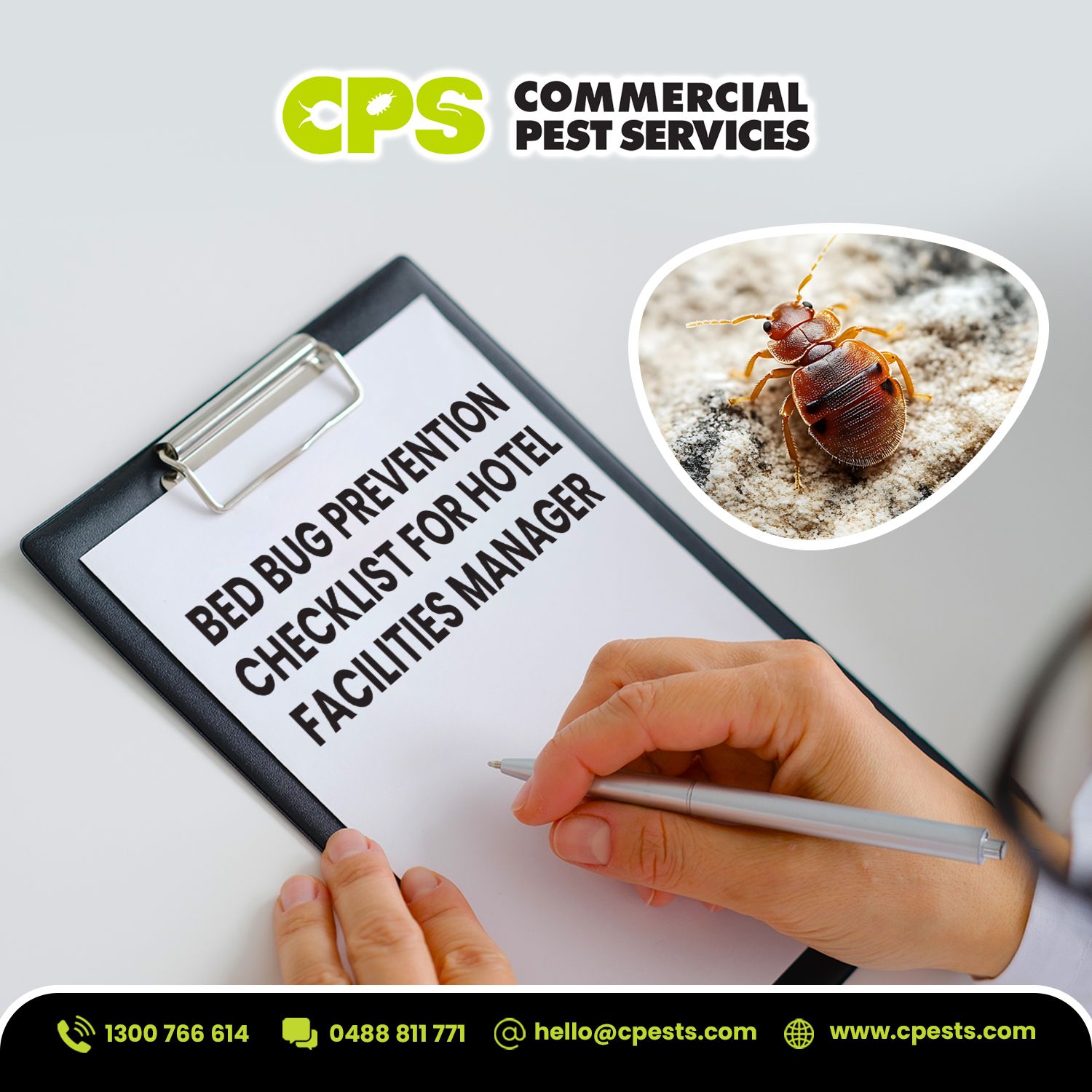
Bed Bug Prevention Checklist for Hotel Facilities Managers
May 28, 2026
A single bed bug complaint can cost a hotel thousands in refunds, negative reviews, and emergency treatments. This practical checklist gives facilities managers a clear, auditable system to prevent infestations, before guests ever notice. Why Hotels Are Bed Bug Hotspots Hotels are high-turnover environments where hundreds of guests, each carrying luggage from different cities and countries, cycle through the same rooms […]
A single bed bug complaint can cost a hotel thousands in refunds, negative reviews, and emergency treatments. This practical checklist gives facilities managers a clear, auditable system to prevent infestations, before guests ever notice.
Why Hotels Are Bed Bug Hotspots
Hotels are high-turnover environments where hundreds of guests, each carrying luggage from different cities and countries, cycle through the same rooms weekly. Bed bugs (Cimex lectularius) hitchhike on bags, clothing, and furniture. 97% of infestations are traced to guest activity, making prevention a continuous operational priority, not a one-off treatment.
Key risk factors include shared laundry facilities, furniture with seams and crevices, and the sheer volume of check-ins. Without a formal Integrated Pest Management (IPM) plan, hotels react to problems instead of preventing them.
Top 10 Prevention Steps: Quick Checklist
No
Action
Frequency
1
Inspect mattress seams, tufts, and box springs
Daily
2
Launder linens at 60°C minimum
Every turnover
3
Train housekeeping to identify signs
Onboarding + annual
4
Install certified mattress encasements
Permanent
5
Seal cracks in baseboards and outlets
Quarterly
6
Vacuum carpets and upholstery thoroughly
Every turnover
7
Deploy passive interceptor traps
Continuous
8
Conduct canine detection sweeps
Quarterly
9
Schedule professional pest inspections
Quarterly
10
Review and update the action plan
Annually
Daily Housekeeping Inspections
Mattress & Box Spring Checks
Every room turnover is an inspection opportunity. Housekeeping staff should pull back linens and visually inspect the following with a flashlight:
Mattress seams, piping, and tufts for rust-coloured fecal spots or shed skins
Box spring corners and underside fabric
Headboard attachment points and wall gaps
Nightstand drawers and furniture joints
Any suspect finding should be logged immediately and escalated before the next guest check-in.
Linen Laundering Protocols
Heat is one of the most effective non-chemical controls. Bed bugs die at sustained temperatures above 49°C. Wash all linens, pillowcases, duvet covers, and mattress protectors at a minimum of 60°C, and tumble dry on high heat for at least 30 minutes. Bag soiled linen before transport to avoid spreading any hitchhikers through corridors.
Staff Training Essentials
Spotting Signs (Bites, Spots, Eggs)
Train every housekeeping team member to recognise the three primary indicators:
Fecal spots — small dark brown or black smears on mattress seams, behind headboards, or along baseboards
Shed skins and eggs — translucent casings (1mm, oval) clustered in tight gaps
Live insects — apple-seed-sized, flat, reddish-brown bugs that move toward darkness when disturbed
Guest bite patterns (linear rows on exposed skin) are a lagging indicator. By the time guests report bites, an infestation is already established. Train staff to catch it earlier.
Guest Complaint Response
When a guest reports a suspected bed bug encounter, the response protocol matters as much as the pest control response:
Move the guest to a non-adjacent room immediately — avoid rooms above, below, or beside the affected room
Do not dismiss the complaint; document it formally
Seal the affected room and call your pest control vendor within the hour
Offer a genuine apology and any relevant compensation per your complaints policy
Follow up in writing within 24 hours
Tip: Scripted responses for front desk and management help maintain consistency, especially during busy periods. Include a complaint log in your property management system so patterns are visible.
Physical Barriers & Encasements
Mattress Covers & Seam Sealing
Certified mattress encasements serve two purposes: they eliminate hiding spots on existing mattresses and protect new inventory. Choose encasements rated specifically for bed bug containment — not standard waterproof covers — with fully sealed zippers and bite-proof fabric.
For box springs, a full encasement or purpose-built box spring cover with a lockable zip is preferred over open-base bed frames. Once fitted, encasements should remain in place permanently and inspected for tears monthly. Mattress encasements for hotels are one of the highest-ROI prevention investments available.
Maintenance & Sealing Cracks
Caulking Baseboards & Outlets
Bed bugs travel between rooms through structural gaps. A maintenance walkthrough every quarter should address:
Baseboard gaps and wall-to-floor junctions — seal with paintable latex caulk
Electrical outlet plates — secure and install plug covers where possible
Gaps around pipes entering the wall
Loose wallpaper edges and peeling paint near bed areas
Worn carpet edges near skirting
Sealing these entry points reduces spread between rooms significantly, limiting the blast radius of any single infestation.
Guest Room Turnover Protocols
Vacuuming & Heat Treatments
Vacuuming removes live bugs, eggs, and fecal matter from carpets, upholstered chairs, curtain hems, and mattress surfaces. Use a HEPA-filter vacuum and dispose of the bag or canister contents in a sealed bag immediately after each room.
For higher-risk rooms (recently flagged complaints, long-stay guests), consider portable heat treatment units to raise room temperature to 56°C+ for 90+ minutes. This eliminates all life stages without chemicals and requires no evacuation time beyond the treatment window.
Monitoring Tools
Traps & Canine Inspections
Passive interceptor traps placed under each bed leg provide continuous low-cost monitoring. Any captured insects can be identified and used as early evidence before an infestation scales.
For properties with 50+ rooms, quarterly canine bed bug inspections provide a detection accuracy rate significantly higher than visual inspections alone, trained dogs can detect live bugs and viable eggs through furniture and walls.
Vendor Partnerships
Quarterly Pro Inspections
Facilities managers should maintain a relationship with a licensed pest management provider experienced in hospitality environments. Quarterly professional inspections should cover:
All guest rooms on a rotating basis (minimum 25% per quarter)
Staff accommodation areas
Linen storage and laundry rooms
High-risk communal areas
A good vendor partnership includes documented inspection reports, treatment records, and a rapid-response SLA for emergency callouts. This documentation also supports compliance and liability management. For broader hospitality pest needs, see our healthcare and hospitality pest control services.
Emergency Action Plan
Isolation & Notification
When bed bugs are confirmed, activate your emergency protocol immediately:
Seal the affected room, do not reassign until cleared
Block the rooms directly above, below, and adjacent as precautionary holds
Contact your pest vendor for same-day assessment
Notify senior management and document the incident
Do not conduct DIY treatment, it spreads the infestation
Arrange alternative accommodation for any displaced guests
Conduct a post-treatment re-inspection before the room re-enters service
Ongoing Compliance & Audits
Action Plan Review Schedule
A bed bug prevention programme only works if it stays current. Build a formal review cycle into your annual facilities calendar:
Monthly — review interceptor trap logs and incident reports
Quarterly — complete maintenance sealing checks and professional inspections
Annually — full audit of training records, encasement condition, and vendor contracts
After any incident — debrief and update protocols based on lessons learned
Consider designating a named Pest Prevention Officer among your facilities team — someone responsible for keeping documentation current and coordinating with your pest management vendor year-round.
Frequently Asked Questions (FAQs)
Q: How often should hotels inspect for bed bugs?
A: Daily housekeeping checks at every room turnover, supplemented by quarterly professional inspections and canine detection sweeps.
Q: What are the first signs of bed bugs in a hotel room?
A: Dark fecal spots on mattress seams, shed skins in crevices, and a faint sweet musty odour are the earliest signs — often detectable before any guest bites are reported.
Q: Do mattress encasements fully prevent bed bugs?
A: Encasements eliminate the mattress as a harborage site but do not prevent bugs from living in other furniture, baseboards, or walls. They are one layer of a broader IPM plan.
Q: What should staff do when a guest reports bed bug bites?
A: Relocate the guest to a non-adjacent room, seal and log the affected room, escalate to your pest vendor within the hour, and document everything formally.
Q: How effective are canine bed bug inspections?
A: Trained detection dogs identify live bugs and viable eggs with significantly higher accuracy than visual inspections alone, making them ideal for large properties with high room counts.
We acknowledge the Traditional Custodians of Country throughout Australia and their connections to land, sea, and community.
We pay our respect to their Elders past and present and extend that respect to all Aboriginal and Torres Strait Islander peoples today.