Send us a message and one of our specialists pest managers will be in touch
Bees and Wasps: What You Need to Know
October 6, 2026
Bees and wasps are among the most commonly confused flying insects. At first glance, they may look similar because both have wings, striped bodies and can sting. However, they play very different roles in the environment and should not be treated the same way. Understanding the difference helps homeowners and businesses respond appropriately when they […]
Bees and wasps are among the most commonly confused flying insects. At first glance, they may look similar because both have wings, striped bodies and can sting. However, they play very different roles in the environment and should not be treated the same way.
Understanding the difference helps homeowners and businesses respond appropriately when they spot a nest or increased insect activity.
While bees are important pollinators that support ecosystems and agriculture, wasps are more likely to become a safety concern when they nest near people.
Knowing which insect you are dealing with allows you to make informed decisions that protect both public safety and the environment.
Why Are Bees and Wasps Often Mistaken?
Bees and wasps share several physical features, so they are easy to confuse, especially when flying quickly around gardens or buildings. However, telling them apart is important because the best response is often very different.
Bees are valuable pollinators that help produce many of the fruits, vegetables and flowers we rely on. Whenever possible, they should be protected and relocated rather than destroyed.
Wasps, on the other hand, can become aggressive when defending their nests. If a wasp colony develops close to entrances, outdoor dining areas or workplaces, professional removal may be necessary to reduce safety risks.
Learning the difference helps people avoid unnecessary harm to beneficial insects while managing genuine pest concerns safely.
What’s the Difference Between Bees and Wasps?
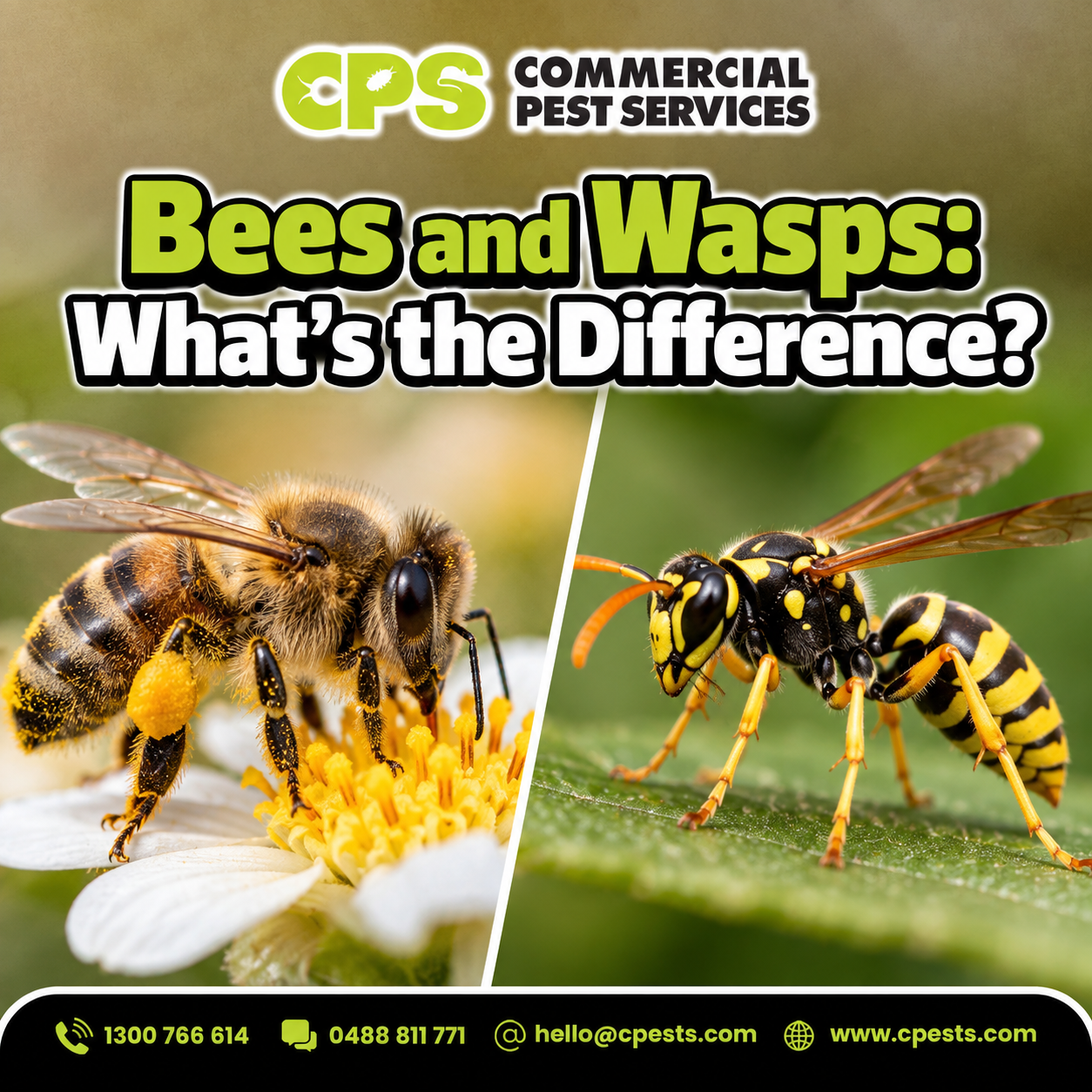
Although they belong to the same insect order, bees and wasps differ in appearance, behaviour and nesting habits.
Bee
Wasp
Appearance
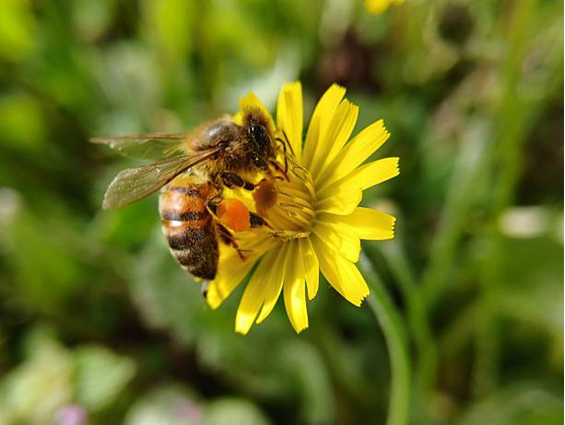
Round body covered with fine hairs that help collect pollen. Soft colouring with shades of golden brown, black or amber.
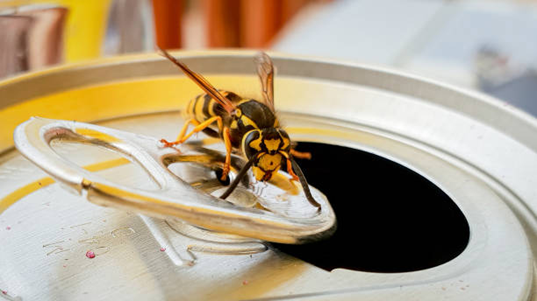
Smooth, shiny body with narrow waist and more defined yellow and black markings. The slim shape of it makes them appear more streamlined than bees.
Behaviour
Collect nectar and pollen from flowers most of the time. Avoid people unless they feel threatened or their hive is disturbed.
Active hunters and scavengers. Feed on insects and also attracted to sugary drinks, fruit and outdoor food during the warmer months. Interact with people during picnics, BBQs, and outdoor events.
Nesting Habits
Build wax hives inside tree hollows, wall cavities or managed beehives.
Construct paper-like nests under roof eaves, inside sheds, wall cavities, trees or sometimes sheltered locations around buildings.
Why Bees Matter
Bees play a vital role in pollination.
As they move between flowers collecting nectar, they transfer pollen that helps many plants reproduce. This natural process supports biodiversity and contributes to the production of many fruits, vegetables and crops.
Without healthy bee populations, both natural ecosystems and agriculture would face significant challenges.
For this reason, bee colonies should be protected whenever possible. If a swarm or hive appears on your property, contacting a local beekeeper or bee relocation specialist is often the most appropriate solution.
When Wasps Become a Concern
Unlike bees, wasps can become defensive if people approach their nests.
Some species may sting multiple times when they feel threatened, making nests around homes, schools, cafés, parks or workplaces a potential safety concern.
Outdoor dining areas, rubbish bins and sugary food or drinks can also attract wasps during spring and summer, increasing the chance of unwanted encounters.
If you notice frequent wasp activity around one location, there may be a nearby nest that should be professionally assessed.
What Should You Do If You Find a Nest?
The safest response depends on the insect.
If you discover a bee swarm or hive, avoid disturbing it and keep a safe distance. Many swarms are temporary, and professional relocation helps protect these important pollinators.
If you find a wasp nest, do not attempt to remove it yourself. Disturbing the nest can cause wasps to become aggressive and increase the risk of multiple stings.
Instead, contact a professional pest management provider who can assess the situation and remove the nest safely. Contact professionals like CPS for an assessment.
Know the Difference Before Taking Action
Although bees and wasps may appear similar, they serve different purposes and require different responses.
By learning how to identify them, you can protect beneficial bees while reducing the risks associated with wasp nests.
When you are unsure which insect you have found, seeking professional advice is the safest way to protect your family, employees and visitors.
We are committed to providing services that are effective, transparent, and easy to understand.
Book an inspection now with CPS today to arrange a professional inspection and tailored treatment plan.
We acknowledge the Traditional Custodians of Country throughout Australia and their connections to land, sea, and community.
We pay our respect to their Elders past and present and extend that respect to all Aboriginal and Torres Strait Islander peoples today.