Send us a message and one of our specialists pest managers will be in touch
Borer Control in Commercial Buildings: Protecting Timber and Structures
June 22, 2026
Borer Control in Commercial Buildings: Protecting Timber and Structures. For property managers, timber damage costs expensive repairs. The hidden pest problem is invisible before widespread infestation due to its nature and habitat. Wood-boring insects are commonly known as borers. Because borer damage develops quietly over months or years. The silent activity of borers often unnoticed. […]
Borer Control in Commercial Buildings: Protecting Timber and Structures. For property managers, timber damage costs expensive repairs. The hidden pest problem is invisible before widespread infestation due to its nature and habitat.
Wood-boring insects are commonly known as borers.
Because borer damage develops quietly over months or years. The silent activity of borers often unnoticed. Ideas on how to identify, manage, and prevent these pests is essential for protecting your investment.
How to identify wood borers and termites’ distinct features
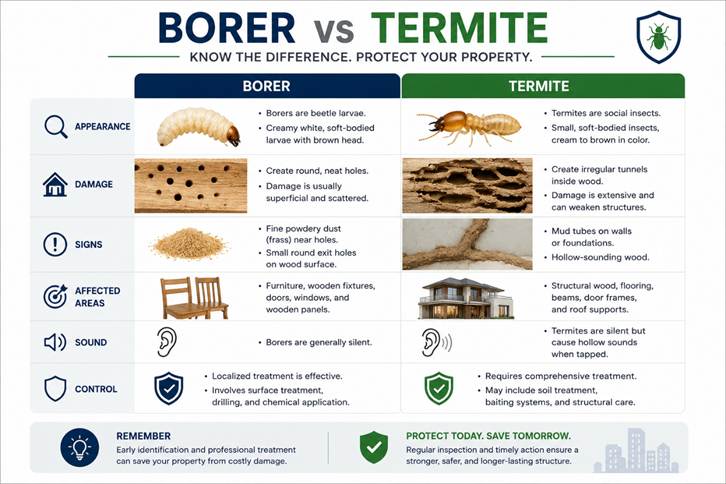
To identify the wood borers and termites’ activity, they have complete characteristics feeding on the timber and woods.
Features
Wood Borers
Termites
Peak stage
In the larval stage, they severely damage the timber and wood.
Working as swarms of termites and leaving the “mud tube” trail-line.
Lifespan
Borer damage quietly develops for months or even years.
Termites can live up to 15 years in drywood species.
Wood Preferences
Typically, they forage on wood materials like oak and bamboo, often targeting the outer layer of wood. (sapwood)
They are not picky eater, they tend to eat cellulose, including walls, paper, cardboard, and drywall.
In commercial buildings, another structural damage issue is borers, which are highly visible and leave sawdust. However, these insects have distinct features, characteristics, and behaviors compared to termites.
Termites are silently feeding on wood from the inside out, while borers are actively feeding on the timber outside and leave the existing hole intact.
What Are Borers?
Borers are a group of wood-boring insects that use timber as both a home and a food source. While many people are familiar with the adult beetles, the larval stage is the most destructive stage.
As larvae, these insects tunnel deep into timber; the borer comes out from the inside out. This activity can impact everything from structural framing to skirting boards and high-value furniture.
Why They Pose a Risk to Commercial Buildings.
In a commercial environment, borer activity leads to more than just nuisance issues.
Compromised Structural Integrity:
Internal tunneling reduces the safety hazards of the building foundation.
Hidden Damage:
They operate internally, and infestations are often well-established before they become visible.
Costly Damage:
Repairing structural timber is notably more expensive than implementing proactive maintenance.
High-Risk Zones
Older buildings
Areas with high humidity (like sub-floors or poorly ventilated ceiling voids)
Recognizing the Signs of Activity
Early detection is your best defense. During your routine facility walkthroughs, look for these common indicators:
Exit Holes
Fine, powdery wood dust
This shows a clear sign of active tunneling.
Hollow-Sounding Timber
If structural components sound hollow when tapped, they may have extensive internal damage.
Surface infestations:
Unexpected cracking, crumbling, or softness in skirting boards, door frames, or visible supports.
1. Effective Control and Prevention
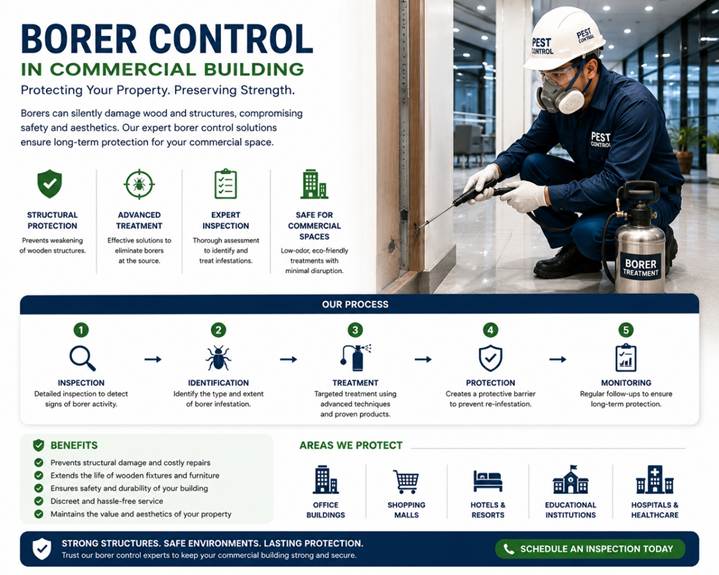
If you suspect an infestation, you must take a structured approach to prevent it from spreading.
2. Inspection and Assessment
Focus your inspections on neglected areas, such as roof voids, subfloor areas, and the backs of joinery. Document your findings to distinguish between old, inactive holes and fresh, active dust.
3. Control Methods
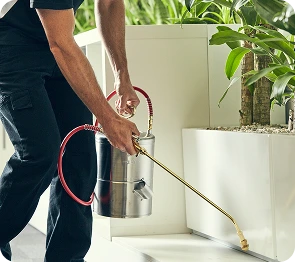
The first step is to manage the environment. Borers thrive in moist, stagnant conditions. Improving ventilation and addressing leaks makes the building less hospitable to them. For active infestations, professional-grade timber treatments are necessary.
4.Long-Term Prevention
The best defense is a proactive strategy.
– Keep timber dry,
– Ensure exposed wood is properly sealed with paint
– Perform regular, documented inspections of older sections of the building.
Why Professional Expertise Matters
Professional treatment on borer control is necessary. Because the damage is usually internal, DIY treatments typically only address the surface. This leaves the colony deep inside the wood to continue its work.
A professional pest manager can accurately identify the species. Determine if the infestation is active, and provide a tailored plan for treatment or replacement.
Most importantly, they provide the peace of mind that comes from knowing your building’s structural integrity is truly protected.
Protect Your Property Today
Borer damage is a classic example of a problem that is far easier to prevent than to fix.
Prioritizing moisture control and scheduling regular maintenance.
You can safeguard the value of your asset and avoid the headache of major repairs.
Does your building have areas that haven’t been inspected recently?
Contact CPS today to arrange a professional inspection and tailored treatment plan.
We acknowledge the Traditional Custodians of Country throughout Australia and their connections to land, sea, and community.
We pay our respect to their Elders past and present and extend that respect to all Aboriginal and Torres Strait Islander peoples today.