

Send us a message and one of our specialists pest managers will be in touch

    Can the Queensland Government Beat the Red Fire Ant?

    December 11, 2013
    Imported red fire ants have caused signficant damage since being introduced in 2001, according to theconversation.com. The ants are South American natives and are made up up of colonies involving queens, workers and alates. Workers are sterile females that carry out much of the daily work, such as foraging. Alates are fertile males and females […]
    Can the Queensland Government Beat the Red Fire Ant?

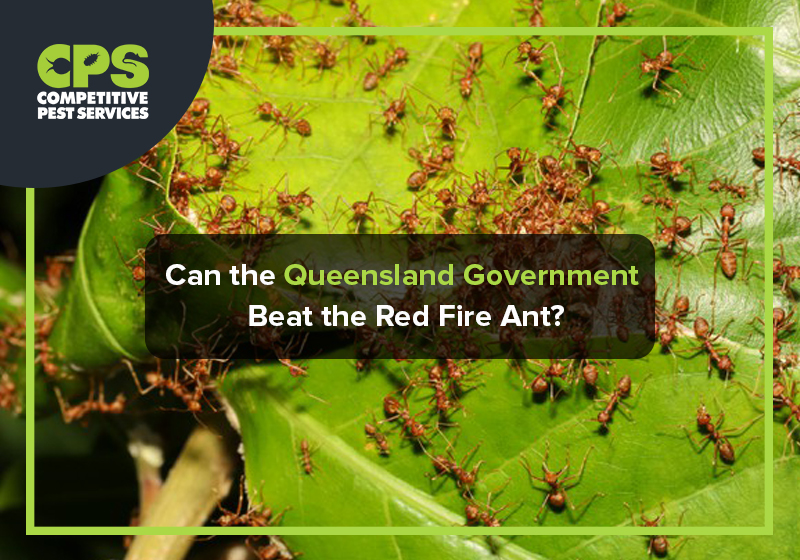
    Imported red fire ants have caused signficant damage since being introduced in 2001, according to theconversation.com.

    The ants are South American natives and are made up up of colonies involving queens, workers and alates. Workers are sterile females that carry out much of the daily work, such as foraging. Alates are fertile males and females who mate in mid-air. The males die, while the females become new queens in their own colonies. Queens lay upto 800 eggs every day and can live for seven years.

    No country has ever eradicated fire ants but the Queensland Government has launched a continued effort to acheive the near impossible. Over $275 million has been spent on eradication, in which time the infested region has doubled in size.

    The Conversation’s Jonathen Keith and Daniel Spring, both academics from Monash University, believe the government should focus its attention on destroying both immature and mature nests. Treated areas should be monitoted for at least eight months to ensure that reinfestation has not occurred.

    PREVIOUS ARTICLE
    BACK TO ALL ARTICLES
    NEXT ARTICLE

    Contact us for a tailored pest control solution for your home or business

      Get an instant quote
      Or instant answers to your questions
      ASK OUR PEST ASSISTANT
      Acknowledgement logo

      Acknowledgement of Country

      We acknowledge the Traditional Custodians of Country throughout Australia and their connections to land, sea, and community.
      We pay our respect to their Elders past and present and extend that respect to all Aboriginal and Torres Strait Islander peoples today.